

VCBC Chairman Steve Bui: Incentives have run their course — Vietnam enters an institutional race to attract the next generation of FDI
- Business
- 18:35 30/06/2026
DNHN - VCBC Chairman Steve Bui analyzes Vietnam's next-generation FDI strategy, stressing that the country must now compete on institutional quality, innovation, and stronger linkages between foreign and domestic enterprises.
After nearly 40 years of attracting foreign direct investment, Vietnam is entering a pivotal transition period. Politburo Resolution No. 10-NQ/TW, issued on June 8, 2026, on the development of the foreign-invested economic sector, shifts the national focus from attracting capital volume toward improving the quality and effectiveness of investment.
Speaking with the Enterprise and Integration Magazine, Mr. Steve Bui, Chairman of the Vietnam–China Business Council (VCBC), said that Vietnam's traditional incentive-based advantages have steadily narrowed. He shared candid views on what will determine Vietnam's competitiveness in the coming wave of next-generation FDI.
According to the Ministry of Finance, the FDI sector currently contributes around 20% of GDP, more than 70% of export turnover, and employment for millions of workers. However, localization rates remain low across many industries, while domestic firms' capacity to participate in supply chains is still limited. This is one of the reasons Resolution 10-NQ/TW emphasizes the need to move from a focus on attracting capital toward improving capital quality and technology spillover.
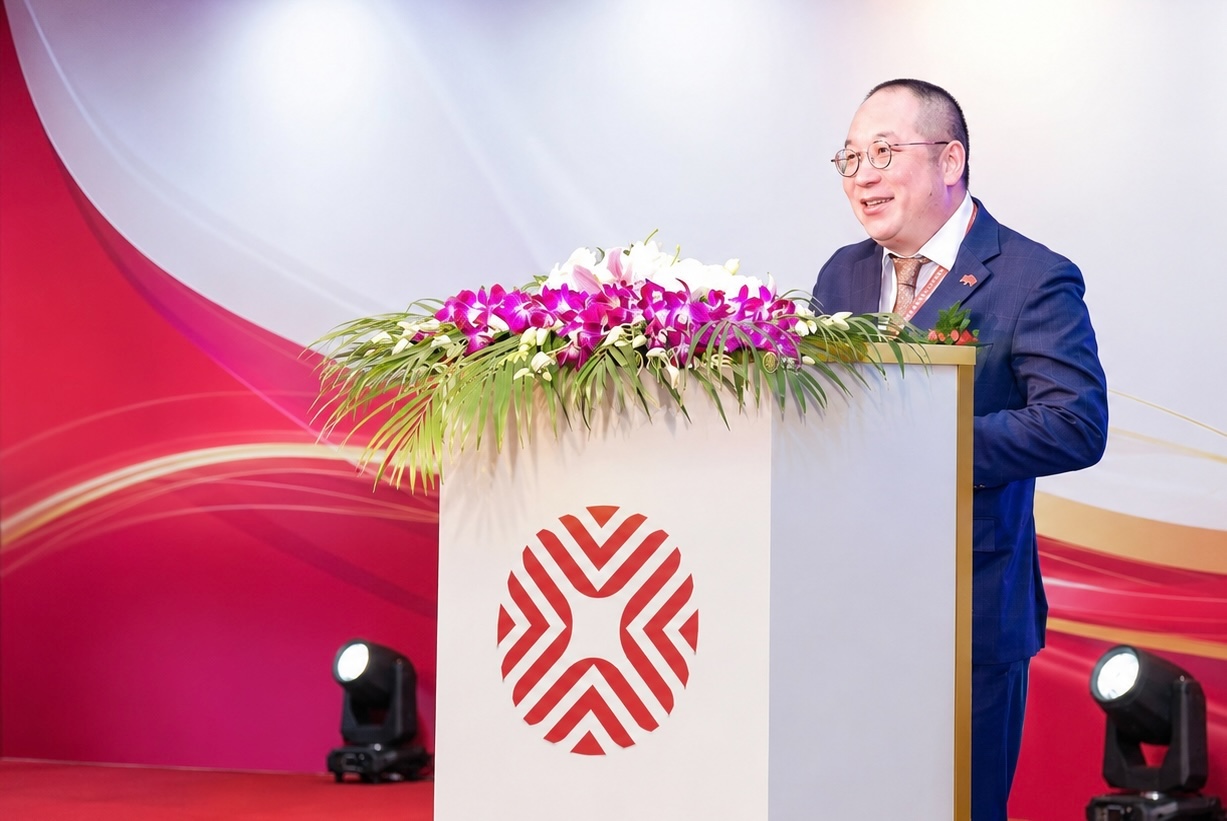
Sir, Resolution 10-NQ/TW has just been issued and experts are calling it a turning point in thinking. How do you view this after four decades of Vietnam opening up to foreign capital?
I think this is the moment Vietnam must confront itself honestly. Over the past forty years, the FDI sector has contributed enormously to growth, to economic restructuring, and to deeper integration into global value chains. No one denies that.
But at the same time, we must look at the figures that aren't so flattering: localization rates remain low, linkages between FDI enterprises and Vietnamese companies remain loose, and many projects are still heavily weighted toward processing and cheap labor. In 2025, total registered FDI into Vietnam reached around USD 38.42 billion, with capital still concentrated mainly in processing and manufacturing. But the more important question isn't that figure; it's what percentage of it actually upgraded the economy's intrinsic capabilities.
Resolution 10 arrives at exactly the right moment, and I see it as a genuine breakthrough in thinking — a springboard, really — because for the first time we are officially shifting from counting how much capital comes in to building a national strategic investment foundation.
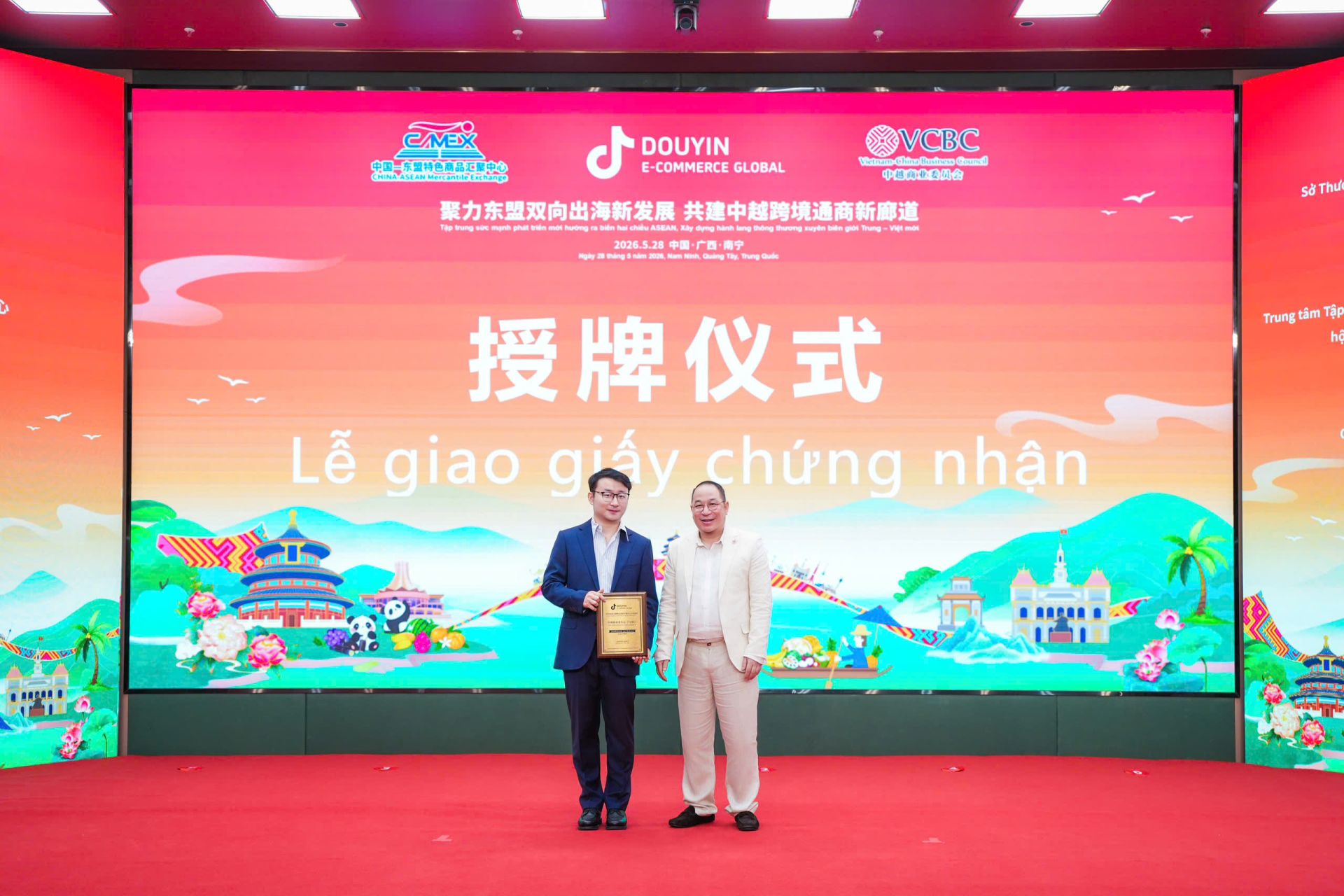
Could you elaborate on the shift in thinking that Resolution 10 brings?
I see two very positive highlights.
First is the shift from a pure capital-attraction mindset to building a national strategic investment foundation, no longer focused on the scale of capital flows but entirely on quality, effectiveness, and real added value.
Second, the Resolution aims to build a synchronized investment ecosystem closely tied to the development of domestic enterprises, using actual contribution as the main yardstick rather than just counting investment licenses. I'd also stress that the Resolution sets very specific targets for 2026–2030: registered capital of roughly USD 200–300 billion, equivalent to USD 40–50 billion per year, with disbursed capital of around USD 150–200 billion. Crucially, 75% of that capital must come from developed economies, alongside a 30% increase in the number of Fortune 500 corporations present in Vietnam.
These are ambitious figures, but they are also a clear signal that Vietnam will no longer accept just any kind of capital.

So how will FDI enterprises need to adjust their strategies to adapt?
I believe there will be three clear directions of adjustment. First, prioritizing high-tech and innovation-driven projects, investors will actively seek opportunities in spearhead sectors such as electronics, components, new materials, and clean energy, while establishing R&D and design centers in Vietnam itself, not just assembly plants.
Second, building deep linkage strategies with domestic enterprises. This isn't just a government requirement; it's also an opportunity for FDI groups themselves to optimize their supply chains, find local partners and suppliers, and join the industrial clusters the government is building. Third, selective investment that complies with sustainability standards, the race for cheap processing work is closing, and ESG factors will become mandatory criteria in every investment decision.
I'm also paying close attention to the fact that Resolution 10, for the first time, raises the issue of mechanisms to support Vietnamese enterprises in joint ventures, mergers and acquisitions, and gradually absorbing technology transfer from FDI enterprises. Combined with the amended Technology Transfer Law 2025, effective from April 1, 2026, this creates an important legal foundation for Vietnamese companies to design tighter technology transfer contracts instead of just signing for the sake of formality.

Looking at the region, what should Vietnam learn from economies that have already gone through this model transition toward next-generation FDI?
I always advise the business community to look at three very different but each-in-its-own-way successful models.
Singapore didn't simply attract capital, it built a transparent, stable legal environment, modern infrastructure, and especially a well-organized talent development strategy, which turned it into a regional hub for governance and finance operations of multinational corporations.
South Korea shows the strong creative role a government can play, actively building high-tech industrial clusters and innovation centers, and pursuing aggressive technology-transfer incentive policies to shift from a pure processing economy to one developing its own technology and domestic brands.
China, meanwhile, applied a skillful "market for technology" strategy, giving absolute priority to projects with firm technology-transfer commitments and establishing R&D centers locally.
The common thread across all three economies is the shift from competing on incentives to competing on institutional capacity. Vietnam can fully draw lessons from all three, since we are at a stage of development with many similarities to each of them.
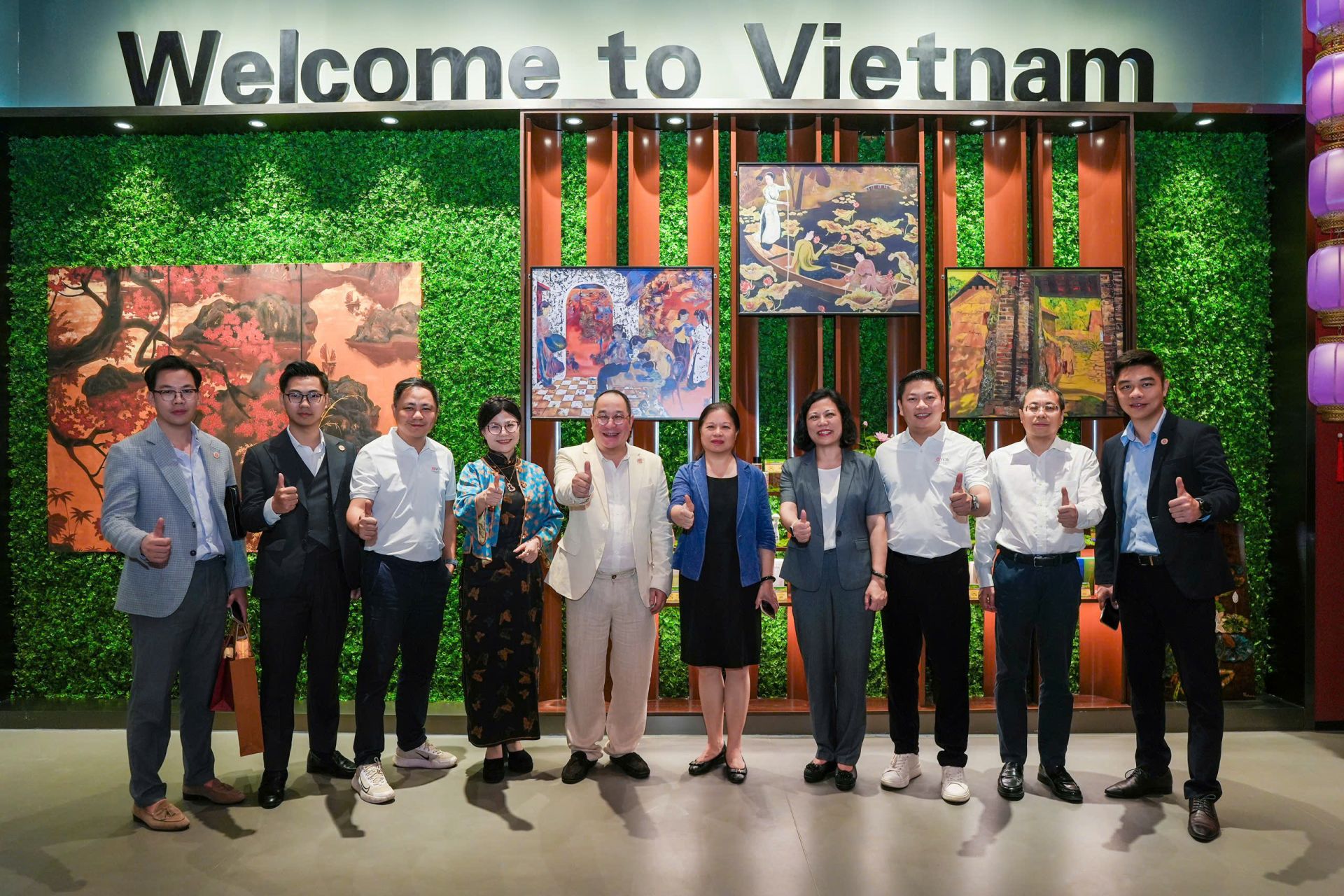
For Resolution 10 to truly take effect rather than remain just a document, what concrete solutions does Vietnam need to focus on?
I believe we need to concentrate resources on three backbone solutions.
First, institutional and administrative procedure reform, a comprehensive review and strong simplification of overlapping regulations on investment, land, construction, environment, and tax. The legal environment must be highly predictable with low compliance costs, alongside a substantive dialogue mechanism to promptly address investor concerns.
Second, developing high-quality human resources, we need a national-level strategy to train and attract talent capable of meeting the demands of high-tech projects. Cooperation between FDI enterprises and educational institutions must aim to supply a workforce ready to adapt to new technologies. This is the core competitive factor that will replace outdated tax-incentive policies.
Third, building a strategic ecosystem and infrastructure, attracting FDI must be embedded in the overall national strategy for transportation, logistics, energy, and digitalization, prioritizing industrial parks, high-tech zones, and innovation zones organized around industrial clusters so FDI and domestic enterprises can easily connect, alongside developing international financial centers and free trade zones.
Given that many Southeast Asian countries are offering similar incentive packages, processing speed and policy stability will increasingly become a more important competitive advantage than tax incentives.
In your view, what is the biggest lesson the Vietnamese business community needs to take to heart in this new wave of FDI?
I think the biggest lesson is that Vietnamese enterprises can no longer remain passive observers in this game. The goal of Resolution 10 isn't just to attract foreign investors, it's to enhance the economy's capacity to absorb technology and gradually build a domestic business force capable of deep participation in global supply chains.
What's notable is that for the first time, Vietnamese enterprises are placed at the center of the FDI strategy, no longer just providers of labor or support services. To seize this opportunity, businesses must proactively improve governance, financial transparency, and technology investment. Only then will FDI truly become a driver for upgrading the economy's competitiveness, rather than just generating attractive registered-capital figures.
Conversely, if we prepare seriously enough, this is genuinely a historic opportunity for Vietnamese enterprises, not just to work as hired hands in the global value chain, but to gradually become real partners: learning technology, learning international management thinking, and growing alongside the very corporations investing in our country.

So what concrete action programs will VCBC pursue to help Vietnamese enterprises capitalize on this next-generation FDI wave?
VCBC will focus on three things. First, connecting Vietnamese enterprises with FDI groups and international supply chains to create substantive cooperation opportunities. Second, helping enterprises stay updated on policy, improve governance capacity, ESG standards, and digital transformation to meet the requirements of global investors. Third, promoting cooperation programs on technology transfer, innovation, and human resource development.
In my view, in this new phase, connection is only the starting point. What matters more is helping Vietnamese enterprises become capable enough to be strategic partners of multinational corporations, rather than merely suppliers. That is the mission VCBC is pursuing.
Thank you very much for this insightful conversation, sir!
Related news
- Vietnam businesses face global test: reform at home, earn trust abroad
- Vietnam firms warned: transform within, build trust abroad or fall behind
- VCBC Chairman Steve Bui: Incentives have run their course — Vietnam enters an institutional race to attract the next generation of FDI
- Vietnamese Journalism in the Age of AI: How can reporters survive in the profession?
- Dr. Samuel Feldberg warns of risks that could reshape the global economic order and shares strategic advice for Vietnamese businesses
- VINASME organizes training program on risk control for sustainable business development amid uncertainty
- Vietnam’s International Financial Center looks beyond tax incentives to compete
- Expert Lại Thiên Phong: Localizing digital transformation – a new growth driver for Vietnam
- Are Vietnamese firms overlooking their most valuable “gold mine”?
- Iran Conflict and the “Double Shock” to the Global and Vietnamese Economies
- After 8 years and trillions sent abroad, are uST investors caught in a risky no-exit situation?
- When Cryptocurrency leaves the "Grey Zone": How are Vietnamese investors seeking profits?
- When the tech unicorn dream is undermined by reckless fundraising structures
- From New Year messages of World Leaders to the “new rules” of the Global economy in 2026
- Connecting Leaders, Shaping the Future: Strategic Leadership Planning Meeting – CorporateConnections Hanoi A
- Sunlight - Unilever Vietnam Recognized for Outstanding Contributions to the National Initiative Supporting Women Entrepreneurs
- Deputy Prime Minister Nguyễn Chí Dũng: “The country’s major challenges weigh heavily on my mind — and we must resolve them together.
- Unitsky String Technologies signs cooperation agreements with three Vietnamese partners, opening a new direction for smart mobility and sustainable development
- When artists do business – livelihood is no poetry!
- Before the D‑day to abolish flat‑rate tax: Fear of technology and costs leave small traders struggling to adapt
Đọc thêm Business

Vietnam businesses face global test: reform at home, earn trust abroad
Vietnamese companies must transform their leadership, teams and cultural outlook — then build trusted international networks — or risk losing ground to better-prepared global rivals.
Vietnam firms warned: transform within, build trust abroad or fall behind
Vietnamese companies must transform their leadership, teams and cultural outlook — then build trusted international networks — or risk losing ground to better-prepared global rivals.
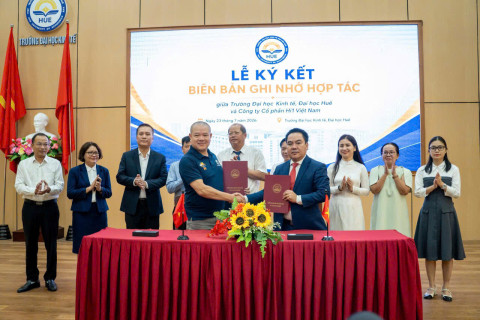
Hi1 and the digital brand ambassador mission: bringing millions of Vietnamese products onto digital platforms with 10,000 Hue students
As millions of OCOP products, local specialty goods and Vietnamese heritage brands continue to struggle to establish a meaningful presence in the digital marketplace, a groundbreaking new cooperation model has just been launched in Hue.

Vietnamese Journalism in the Age of AI: How can reporters survive in the profession?
Few professions have faced a transformation as profound as journalism is experiencing today.
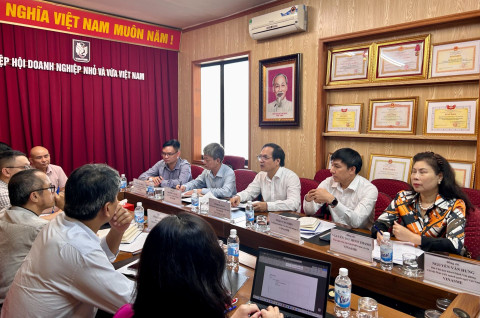
Businesses under pressure: Capital and talent shortages threaten competitiveness
The Vietnam Institute of Economics and World Affairs (VIEWA) recently held a working session with the Vietnam Association of Small and Medium Enterprises (VINASME) as part of a policy research and business support initiative.
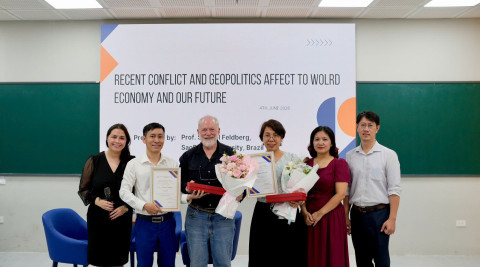
Dr. Samuel Feldberg warns of risks that could reshape the global economic order and shares strategic advice for Vietnamese businesses
Geopolitical tensions, technological transformation, trade fragmentation, and financial uncertainty are reshaping the global economy at an unprecedented pace.
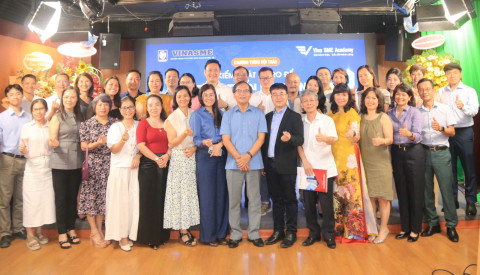
VINASME organizes training program on risk control for sustainable business development amid uncertainty
In the context of a rapidly changing economy, increasing competition, and accelerating digital transformation, risk management capability has become a critical factor determining the resilience and sustainable growth of businesses, particularly SMEs.
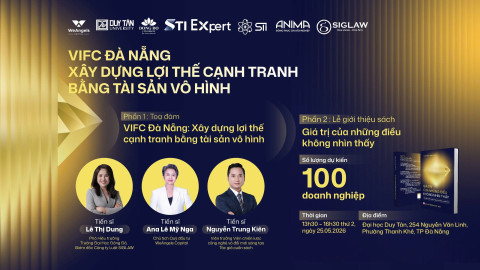
Vietnam’s International Financial Center looks beyond tax incentives to compete
What makes a city an international financial center? Is it skyscrapers, massive capital flows, or generous tax incentives?

CEO Nguyễn Tất Tùng: only by anchoring in culture and preserving national identity can Vietnamese entrepreneurs reach the world
In a setting imbued with the rich cultural essence of Kinh Bắc, the 15th anniversary celebration of Dragon Travel was far more than a typical corporate event.

Expert Lại Thiên Phong: Localizing digital transformation – a new growth driver for Vietnam
On the morning of April 21, at the Ministry of Science and Technology, the Agency for Technology Entrepreneurship and Commercialization Development announced the 2026 innovation agenda aligned with the National Strategy for Startup and Innovation.