

Vietnam’s International Financial Center looks beyond tax incentives to compete
- Business
- 17:54 14/05/2026
DNHN - What makes a city an international financial center? Is it skyscrapers, massive capital flows, or generous tax incentives?
Increasingly, global experience suggests otherwise: the world’s most attractive financial hubs are no longer built solely on money, but on intangible assets.
According to experts, in the next phase of development, the competitive advantage of Vietnam’s International Financial Center (VIFC) will no longer rest merely on tax incentives or low operating costs. Instead, it will increasingly depend on institutional quality, technological capability, global connectivity, and the strength of its innovation ecosystem. In particular, the ability to build competitive advantages through intangible assets is expected to become a key attraction for international investors considering VIFC.
Historically, the strength of nations and businesses was measured by natural resources, capital, or physical infrastructure. Today, however, “invisible” factors such as reputation, brand value, data, talent quality, technological capability, innovation capacity, and interconnected ecosystems are increasingly determining the ability to attract international capital and sustain long-term competitiveness.
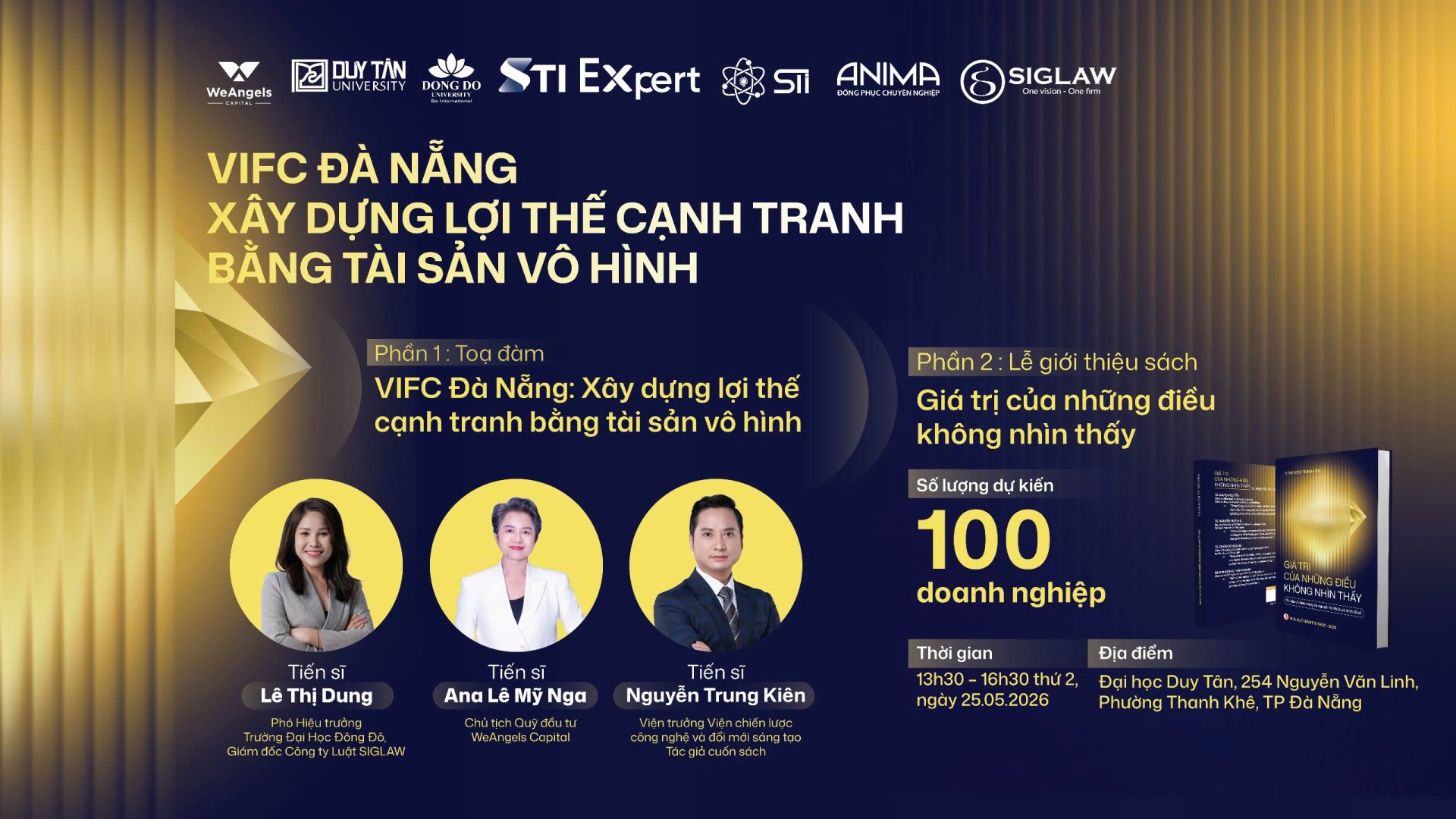
That is why the “VIFC Da Nang – Building competitive advantages through intangible assets” forum goes beyond traditional discussions about finance and investment. Instead, it seeks to explore a broader strategic question: how Da Nang can differentiate itself in the journey toward building Vietnam’s International Financial Center through “soft infrastructure.”
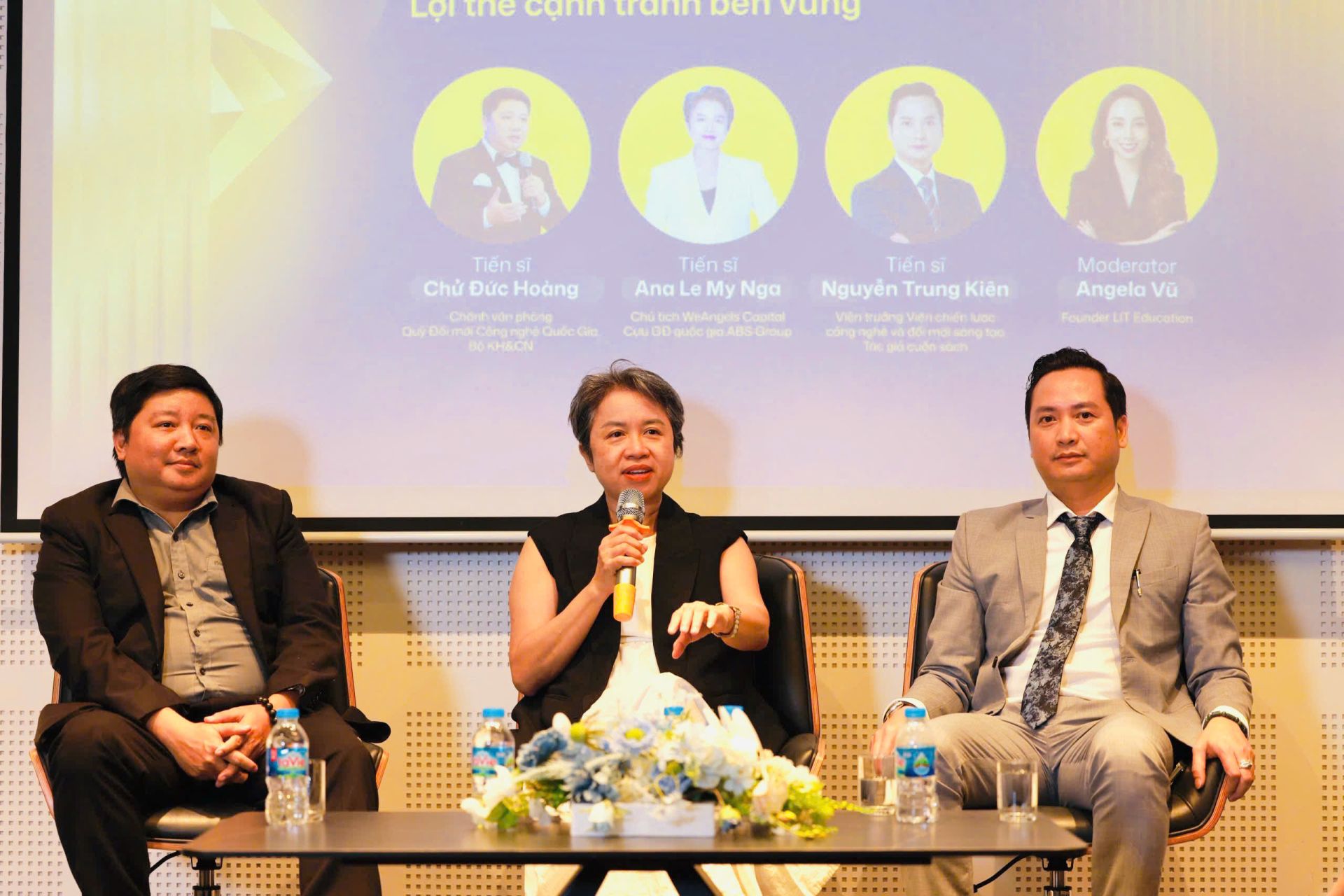
The event’s highlight will be a strategic panel discussion featuring leading voices in investment, strategy, legal affairs, and innovation, including Dr. Ana Le My Nga, Chairwoman of WeAngels Innovation Capital; Dr. Le Thi Dung, Vice Rector of Dong Do University and Director of SIGLAW Law Firm; and Dr. Nguyen Trung Kien, author of the book “The Value of the Invisible”
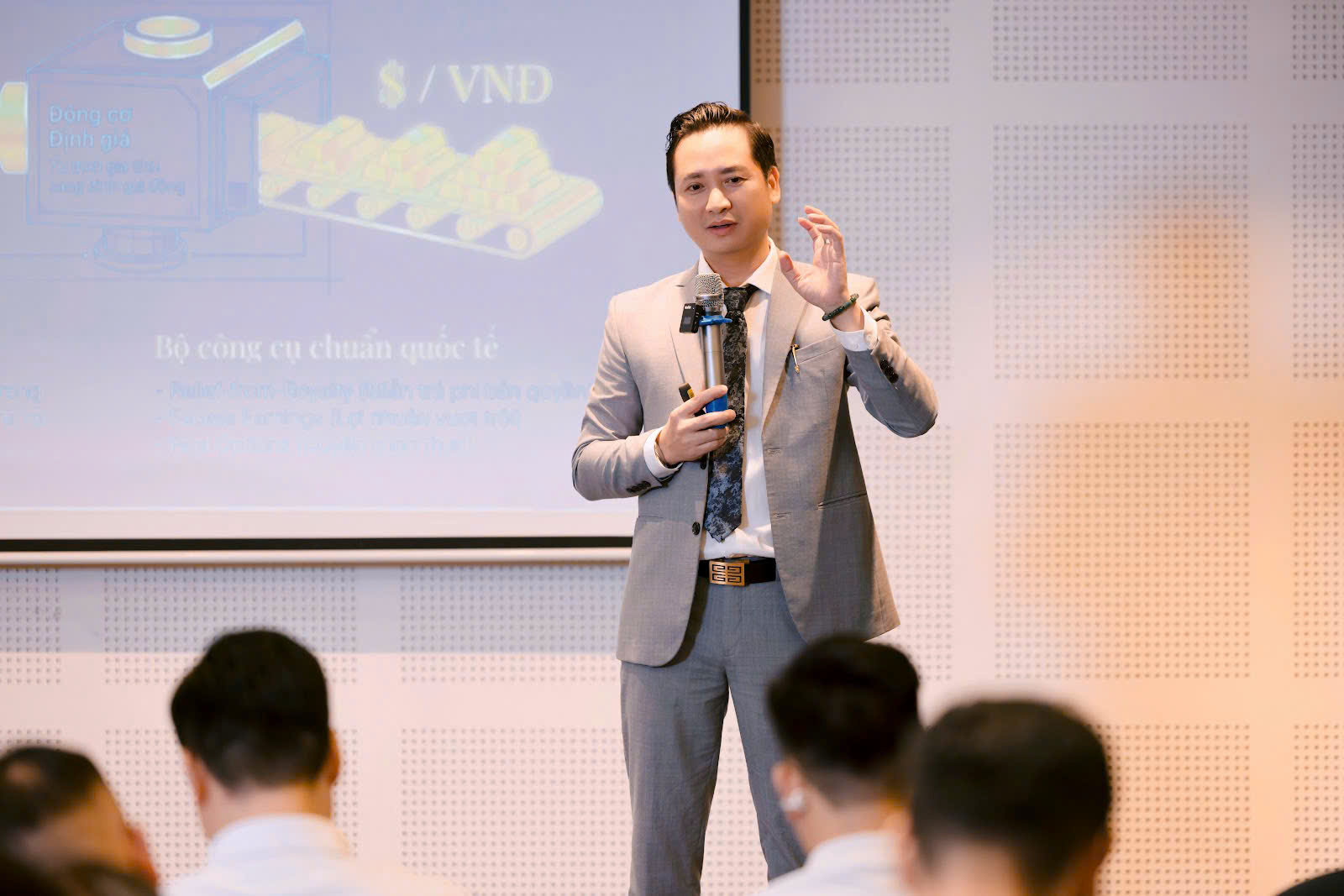
Dr. Nguyen Trung Kien, Head of the Institute of Strategy for Technology and Innovation (STI) said international financial centers (IFCs) in the new era will no longer compete solely through capital flows, tax incentives, or physical infrastructure.
“The real competitive edge lies in intangible assets such as market trust, innovation ecosystems, technological capabilities, and global connectivity. Da Nang now has the opportunity to become a new-generation IFC model for the region, where value is created not only from money, but also from knowledge, reputation, and ecosystem strength,” he emphasized.
According to the organizers, as the world shifts toward competition driven by knowledge and innovation, international capital is no longer searching only for low-cost environments or preferential tax regimes. Investors are paying closer attention to stability, transparency, global connectivity, quality of life, and open ecosystems for innovation.
These are seen as factors that could create major opportunities for Da Nang, which is increasingly viewed as having the potential to become a next-generation financial center in the region.

Dr. Le Thi Dung, Vice Rector of Dong Do University and Director of SIGLAW Law Firm, argued that in the knowledge economy, the value of organizations can no longer be measured solely through tangible assets.
“The true value of an organization lies not in what can be physically touched, but in what can be protected and amplified. In the global arena, intangible assets are the ‘soft infrastructure’ that determines the ability to attract capital flows and establish leadership positions for every economic entity,” she said.
Beyond academic perspectives, speakers at the forum will address key issues of interest to businesses and investors, including: How can Vietnam’s International Financial Center compete beyond tax incentives? What role does “soft infrastructure” play in attracting international capital? And Which forms of “intangible capital” should Vietnam prioritize in the coming years?
The program will also discuss financial sandbox mechanisms, regulatory frameworks allowing fintech solutions to be tested under supervision, aimed at opening opportunities for Da Nang’s fintech, blockchain, and innovation ecosystem.

Another notable perspective comes from Dr. Ana Le My Nga, who believes Vietnam is facing a historic opportunity to become a new destination for global knowledge, technology, and innovation-driven capital.
According to her, Da Nang possesses many advantages that could help it emerge as a regional focal point, thanks to its high quality of life, forward-looking leadership mindset, and willingness to experiment with pioneering financial models.
“International capital today is not only seeking profits. It also values stability, transparency, speed of innovation, quality of life, and open ecosystems that support growth acceleration. If Da Nang can seize this opportunity, it could shape a next-generation financial center model for Asia,” she said.
Meanwhile, Dr. Nguyen Trung Kien noted that the greatest value of enterprises today often lies not in immediately visible assets, but in brand equity, data, knowledge, relationship ecosystems, innovation capabilities, and intellectual property ownership.
“Tangible assets help businesses operate, but intangible assets determine how far they can go,” he said. This philosophy also serves as the core message of his book The Value of Invisible Things, which systematizes perspectives on intangible assets from the angles of corporate governance, investment, and innovation ecosystem development.
Unlike many traditional conferences, the event is designed to foster multidimensional interaction and networking among entrepreneurs, startups, investors, experts, and research and educational institutions.
Organizers expect the forum not only to deepen discussions on the development strategy for Vietnam’s International Financial Center in Da Nang, but also to help shape a broader network connecting knowledge, investment, and innovation within the DAVAS 2026 ecosystem.
A special highlight will be the book introduction ceremony themed “From Invisible to Visible,” symbolizing the transformation of abstract values such as trust, knowledge, data, and creativity into practical strategies and competitive capabilities.
Following the event, networking and book-signing activities will continue to connect speakers, guests, and the broader business community.
As the global economy rapidly shifts toward knowledge- and innovation-driven growth models, competition among cities and businesses will no longer be determined solely by tangible assets. Ultimately, it may be the “invisible” factors that decide who becomes the center of future capital flows, technology, and opportunity.
By Dr. Nguyễn Thúy Lan
Vietnamses version: https://doanhnghiephoinhap.vn/trung-tam-tai-chinh-quoc-te-viet-nam-vifc-muon-canh-tranh-gio-khong-chi-la-uu-dai-thue-135565.html
Related news
Đọc thêm Business
Vietnamese firms face Halal, logistics hurdles in UAE push
Vietnamese businesses seeking to enter the UAE and wider Middle East need stronger preparation in Halal compliance, market research and partner networks as logistics and information gaps weigh on exports, experts said.
Vietnam financial center eyes November 2026 launch
Vietnam is preparing to launch the first transactions at its International Financial Center in November 2026, with authorities reviewing eligible products and removing regulatory bottlenecks.

Vietnam targets 20 internationally certified hospitals in medical tourism push
A 2026-2030 plan would link healthcare and tourism services across eight destinations while safeguarding access for domestic patients.
Vietnam sets sights on double-digit growth as APEC 2027 preparations gather pace
Strong nine-month growth, rising investment and deeper financial integration are strengthening Vietnam’s outlook, while external risks and implementation challenges keep the policy focus firmly on resilience.
Vietnam businesses face global test: reform at home, earn trust abroad
Vietnamese companies must transform their leadership, teams and cultural outlook — then build trusted international networks — or risk losing ground to better-prepared global rivals.
Vietnam firms warned: transform within, build trust abroad or fall behind
Vietnamese companies must transform their leadership, teams and cultural outlook — then build trusted international networks — or risk losing ground to better-prepared global rivals.
Hi1 and the digital brand ambassador mission: bringing millions of Vietnamese products onto digital platforms with 10,000 Hue students
As millions of OCOP products, local specialty goods and Vietnamese heritage brands continue to struggle to establish a meaningful presence in the digital marketplace, a groundbreaking new cooperation model has just been launched in Hue.
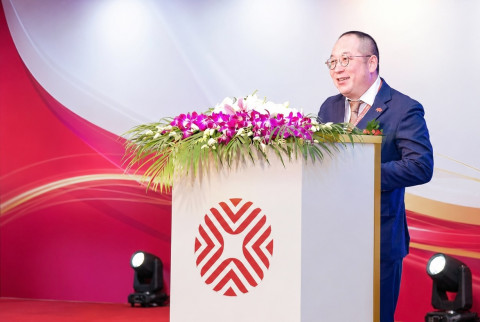
VCBC Chairman Steve Bui: Incentives have run their course — Vietnam enters an institutional race to attract the next generation of FDI
VCBC Chairman Steve Bui analyzes Vietnam's next-generation FDI strategy, stressing that the country must now compete on institutional quality, innovation, and stronger linkages between foreign and domestic enterprises.
Vietnamese Journalism in the Age of AI: How can reporters survive in the profession?
Few professions have faced a transformation as profound as journalism is experiencing today.
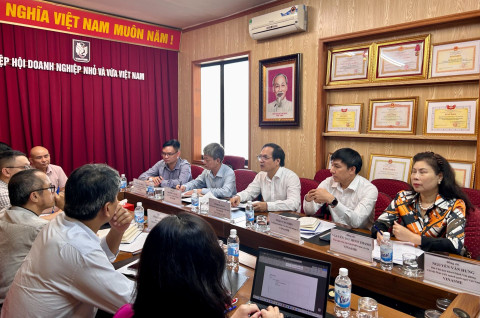
Businesses under pressure: Capital and talent shortages threaten competitiveness
The Vietnam Institute of Economics and World Affairs (VIEWA) recently held a working session with the Vietnam Association of Small and Medium Enterprises (VINASME) as part of a policy research and business support initiative.