

From New Year messages of World Leaders to the “new rules” of the Global economy in 2026
- Business
- 18:47 01/01/2026
DNHN - At a pivotal moment of transition, New Year messages from capitals such as Hanoi, Beijing, Washington and Paris reflect distinct priorities and strategic visions.
For the business community, these are not mere ceremonial greetings, but early signals of changing rules, capital flows and integration opportunities in the landmark year of 2026.
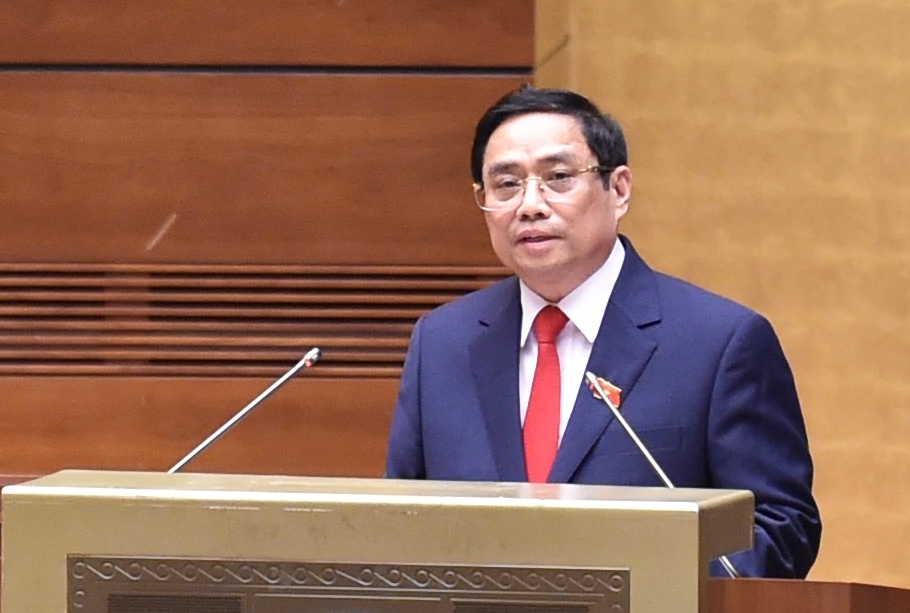
In Vietnam, 2026 is a year of profound significance: it marks the 14th National Congress of the Communist Party, the first year implementing the Congress’s resolutions, and the launch of the 2026–2030 five‑year plan. Prime Minister Pham Minh Chinh emphasized key pillars including inflation control, macroeconomic stability, double‑digit growth targets, safeguarding major economic balances, and improving the material and spiritual well‑being of the population – all aligned with the successful pursuit of two strategic centennial goals.
Crucially, the Prime Minister called for reinforcing market confidence and “thorough preparations” for the development period from 2026 to 2030. Notably, the private sector, enterprises and entrepreneurs are now positioned as the central drivers of growth rather than mere auxiliary forces. For the business community, this practical message signals that while the government will enable and facilitate, the pace of progress will ultimately depend on the intrinsic capacity of the businesses themselves.
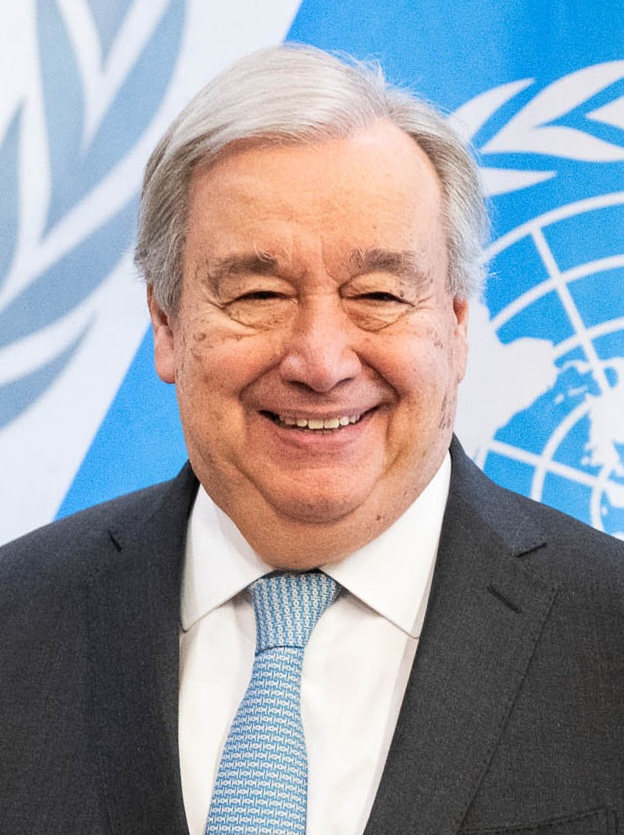
Looking beyond national boundaries, strategic concerns also emerge in the New Year address by UN Secretary‑General António Guterres. He described a world at a “crossroads” where instability, conflict, climate change and inequality continue to erode global trust. His call to place people and the planet at the center of policy is not only directed at governments, but also sends a direct message to the private sector: sustainable development is no longer a discretionary choice but a prerequisite for meaningful integration into the global economy.
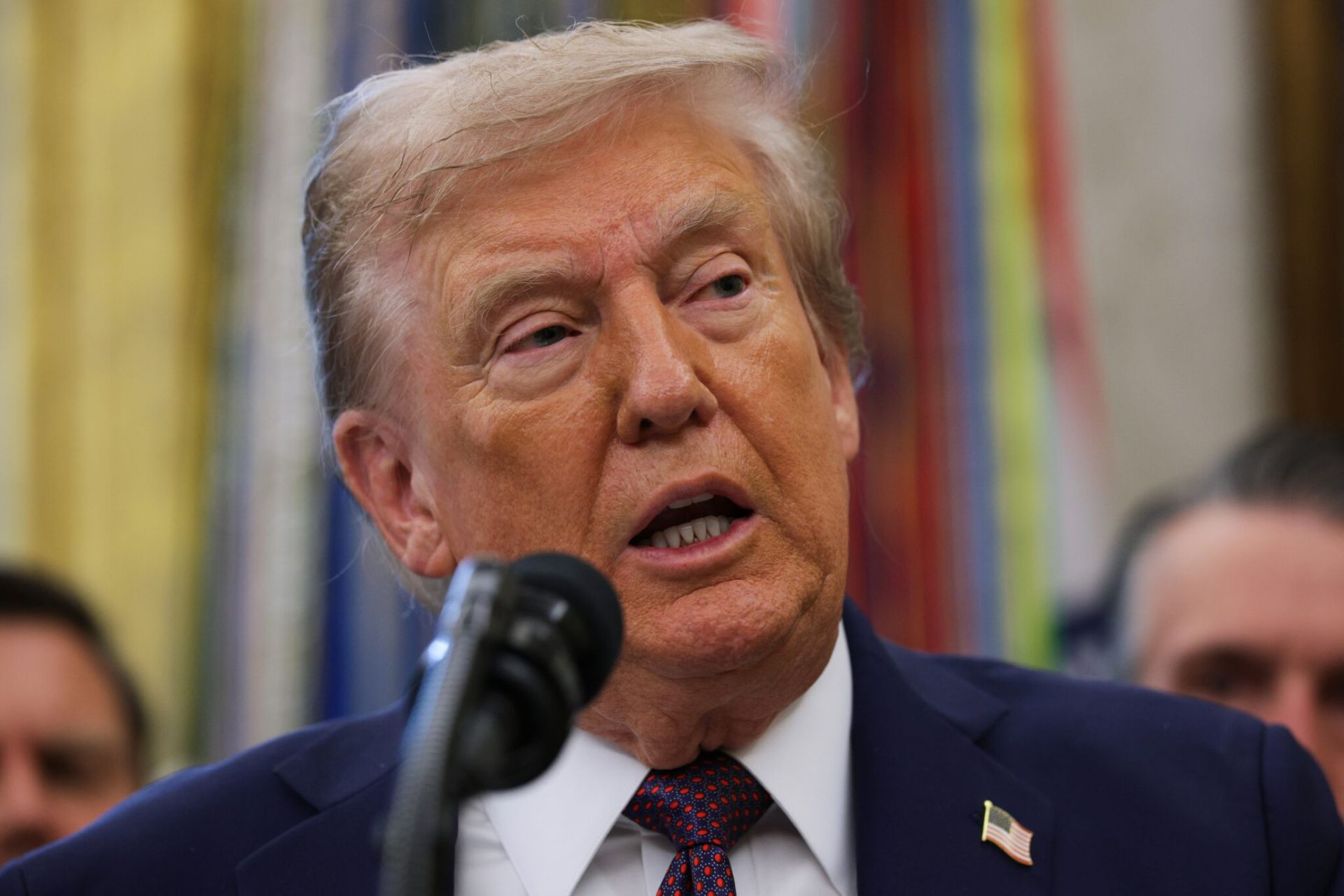
In Washington, U.S. President Donald Trump’s New Year message was dominated by themes of “peace, national strength and global standing.” Speaking at a New Year’s event at Mar‑a‑Lago in Florida, he proclaimed that America was “coming back strong” and called for “peace on Earth” as the nation entered 2026, underscoring both the United States’ international role and the internal stability of its economy.
Washington is also preparing for major national commemorations in 2026, marking the 250th anniversary of American independence. Festivities will kick off with projections on the Washington Monument and “America250” initiatives aimed at uniting citizens and businesses around a long‑term development spirit.
In his address, while stressing peace and national strength, Trump also wove in commitments to bolster the economy — from enhancing competitiveness to attracting investment and sustaining military might — reflecting Washington’s strategic approach to the “new rules” of the global economy amid intense geopolitical competition.
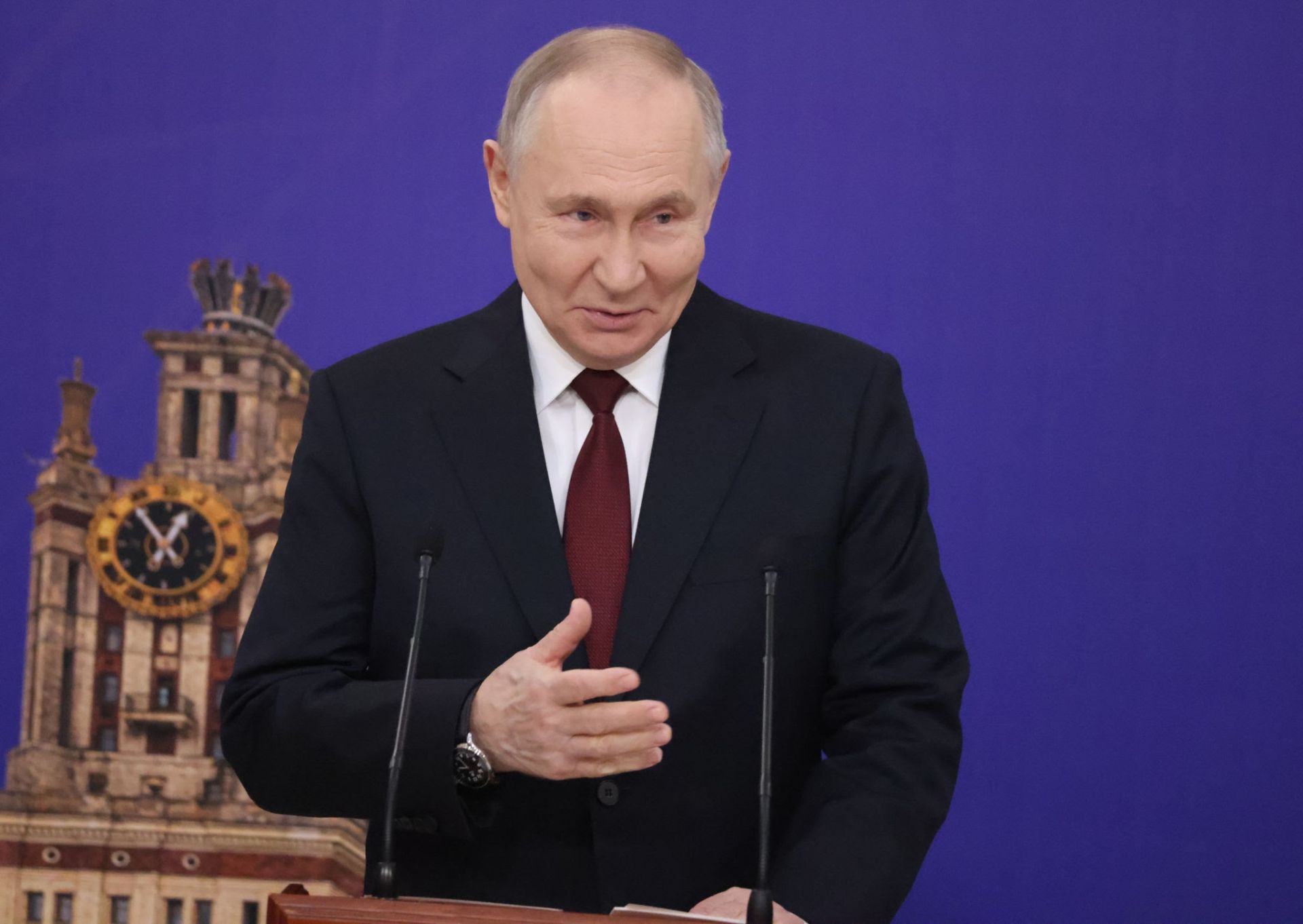
In the same New Year atmosphere, Russian President Vladimir Putin emphasized national unity as the foundation for overcoming challenges. While his message was light on economic specifics, it underscored a stark reality: in a context marked by conflict and sanctions, nations must increasingly rely on domestic resilience, with local enterprises becoming critical pillars of their economies.
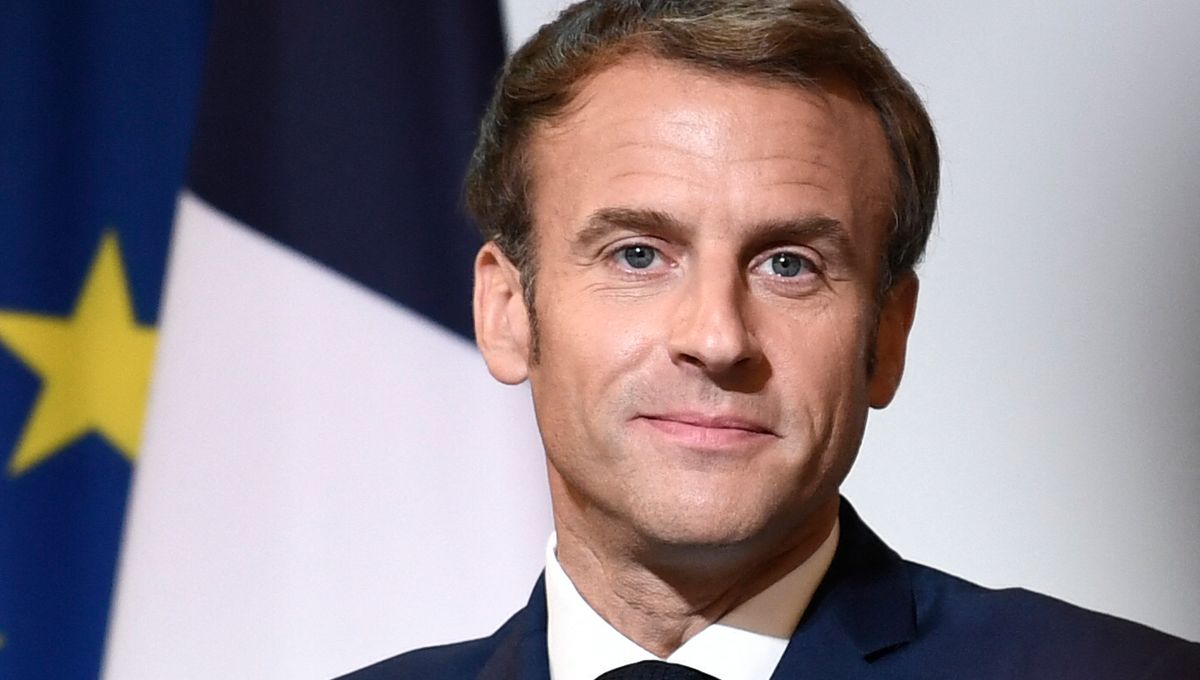
In Paris, the New Year tone was more reflective. French President Emmanuel Macron stressed that 2026 “can and must be a successful year,” but that success must be built on unity, reindustrialization, and bolstering Europe’s strategic autonomy in areas from energy to defense and technology.
German Chancellor Friedrich Merz described 2026 as potentially “a decisive year” for Germany and all of Europe, calling on the continent to act with confidence and autonomy to safeguard peace and prosperity against global challenges such as the conflict in Ukraine, protectionism, and economic competition. He urged Europe to assert its interests more strongly in a changing world, emphasizing that the region must avoid dependency in an increasingly competitive global landscape.
For businesses, the message from Europe is clear: this is no ordinary consumer market, but a “normative space” where deep engagement requires adherence to high standards in technology, environmental sustainability and governance.
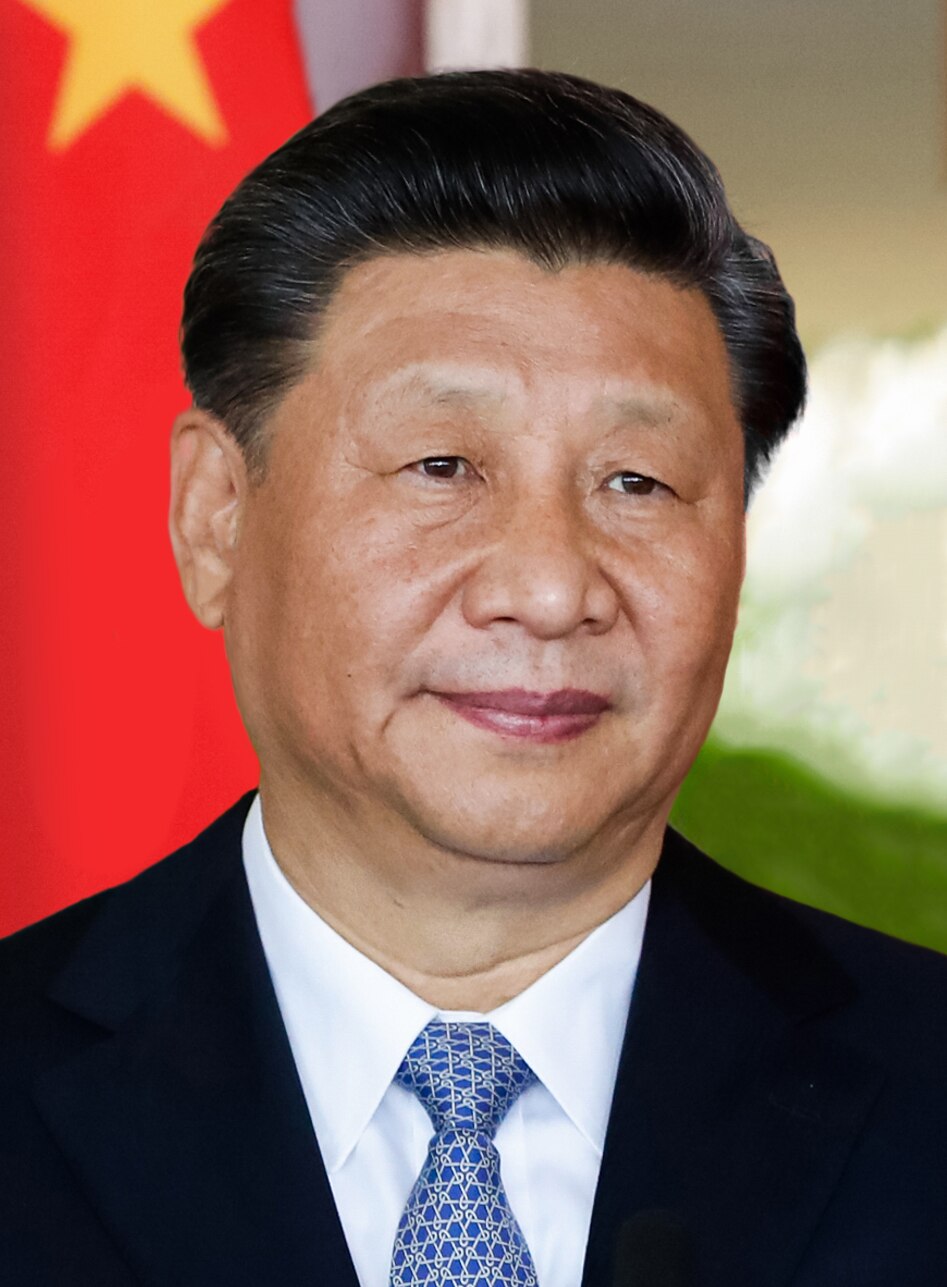
In Beijing, President Xi Jinping’s New Year message combined both familiar and new themes. He highlighted completing the 14th Five‑Year Plan, affirming China’s economic, science and technology capabilities and innovation strength, while emphasizing international cooperation for peace and development. Behind phrases like “stabilizing expectations” and “high‑quality development” lies a clear intent: Beijing is deliberately moderating growth to restructure its economy. For regional entrepreneurs, China remains a vast market, but opportunities increasingly favor companies with advanced technologies, depth of capabilities and patience for long‑term cycles.
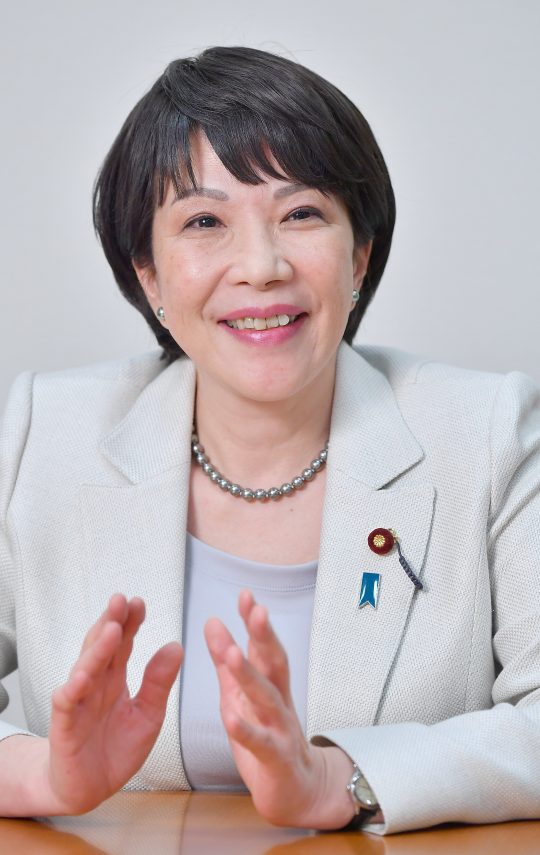
In the Asia‑Pacific, Japanese Prime Minister Sanae Takaichi spoke of building hope for the future amid profound global volatility, from demographic aging to economic uncertainty. Her message signals Japan’s choice to strengthen long‑term foundational capacities rather than chase short‑term boosts.
Juxtaposing these New Year messages reveals a clear common thread: 2026 will not be a year of easy leaps, but one of strategic construction and institution building. Governments will rely on the private sector to realize development objectives; and businesses that carefully interpret these messages can discern priority sectors, identify risks to avoid, and uncover emerging markets.
According to economic experts, based on these New Year signals and policy directions of major economies, 2026 may mark the beginning of a new global restructuring cycle - where growth is no longer driven by sheer scale expansion but by the capacity to reshape development models. In this context, enterprises must shift focus from chasing short‑term revenues to building long‑term core competencies, especially in technology, management, finance and policy adaptability. This is an opportune moment for companies to reassess value chains, redefine target markets, invest in innovation and sustainable development, and actively engage with national and international programs on digital transformation, green transition and supply chain integration.
Firms that early establish strong positions within the evolving economic order, understand the “new rules,” and align with policy rhythms will gain advantages not only for 2026 but for the next phase of growth. From a positive perspective, this could be a year of significant transformation and rigorous selection, leaving behind only those enterprises and leaders with true intellectual and ethical substance - genuinely contributing to sustainable and robust national development.
By Dr. Nguyễn Thúy Lan
Vietnamese version: https://doanhnghiephoinhap.vn/tu-loi-chuc-dau-nam-cua-cac-lanh-dao-the-gioi-den-luat-choi-moi-cua-kinh-te-toan-cau-nam-2026-124696.html
Related news
Đọc thêm Business
Vietnam businesses face global test: reform at home, earn trust abroad
Vietnamese companies must transform their leadership, teams and cultural outlook — then build trusted international networks — or risk losing ground to better-prepared global rivals.
Vietnam firms warned: transform within, build trust abroad or fall behind
Vietnamese companies must transform their leadership, teams and cultural outlook — then build trusted international networks — or risk losing ground to better-prepared global rivals.
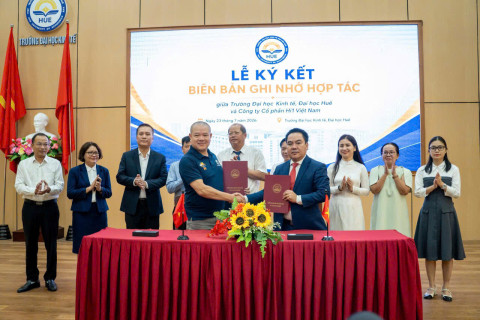
Hi1 and the digital brand ambassador mission: bringing millions of Vietnamese products onto digital platforms with 10,000 Hue students
As millions of OCOP products, local specialty goods and Vietnamese heritage brands continue to struggle to establish a meaningful presence in the digital marketplace, a groundbreaking new cooperation model has just been launched in Hue.
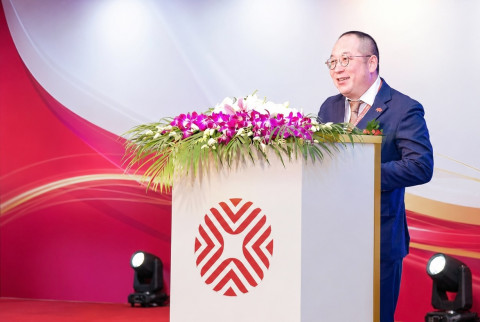
VCBC Chairman Steve Bui: Incentives have run their course — Vietnam enters an institutional race to attract the next generation of FDI
VCBC Chairman Steve Bui analyzes Vietnam's next-generation FDI strategy, stressing that the country must now compete on institutional quality, innovation, and stronger linkages between foreign and domestic enterprises.
Vietnamese Journalism in the Age of AI: How can reporters survive in the profession?
Few professions have faced a transformation as profound as journalism is experiencing today.
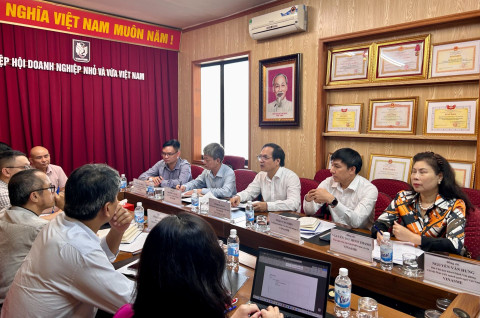
Businesses under pressure: Capital and talent shortages threaten competitiveness
The Vietnam Institute of Economics and World Affairs (VIEWA) recently held a working session with the Vietnam Association of Small and Medium Enterprises (VINASME) as part of a policy research and business support initiative.
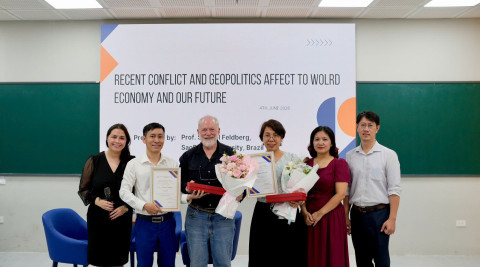
Dr. Samuel Feldberg warns of risks that could reshape the global economic order and shares strategic advice for Vietnamese businesses
Geopolitical tensions, technological transformation, trade fragmentation, and financial uncertainty are reshaping the global economy at an unprecedented pace.
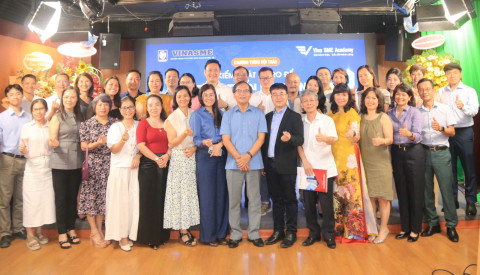
VINASME organizes training program on risk control for sustainable business development amid uncertainty
In the context of a rapidly changing economy, increasing competition, and accelerating digital transformation, risk management capability has become a critical factor determining the resilience and sustainable growth of businesses, particularly SMEs.
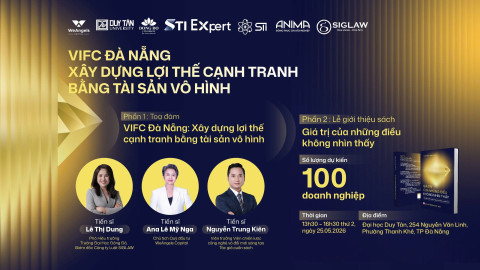
Vietnam’s International Financial Center looks beyond tax incentives to compete
What makes a city an international financial center? Is it skyscrapers, massive capital flows, or generous tax incentives?
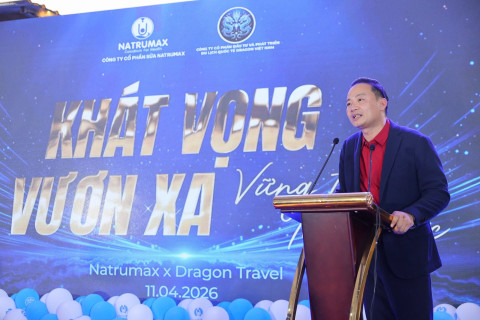
CEO Nguyễn Tất Tùng: only by anchoring in culture and preserving national identity can Vietnamese entrepreneurs reach the world
In a setting imbued with the rich cultural essence of Kinh Bắc, the 15th anniversary celebration of Dragon Travel was far more than a typical corporate event.