

Building and accumulating intangible assets: a sustainable competitive advantage
- Business
- 22:41 13/04/2026
DNHN - In an intellectually vibrant afternoon of the business community, a seemingly old question was raised again in a way that made the entire audience rethink from the beginning.
It asked what truly creates the value of a business in an era where what can be seen is increasingly easy to replicate, while what cannot be seen quietly determines the entire game.
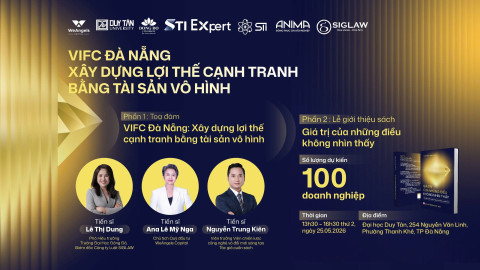
The seminar “building and accumulating intangible assets: a sustainable competitive advantage”, combined with the launch of the book The Value of the Invisible by Dr. Nguyen Trung Kien, attracted a large number of entrepreneurs, investors, and experts.
The event brought together many influential figures in science, technology, and investment from policymakers to those directly operating businesses but what stood out was how the program was designed as a genuine dialogue forum, where difficult questions were not avoided, and “immeasurable” issues were discussed openly and candidly.
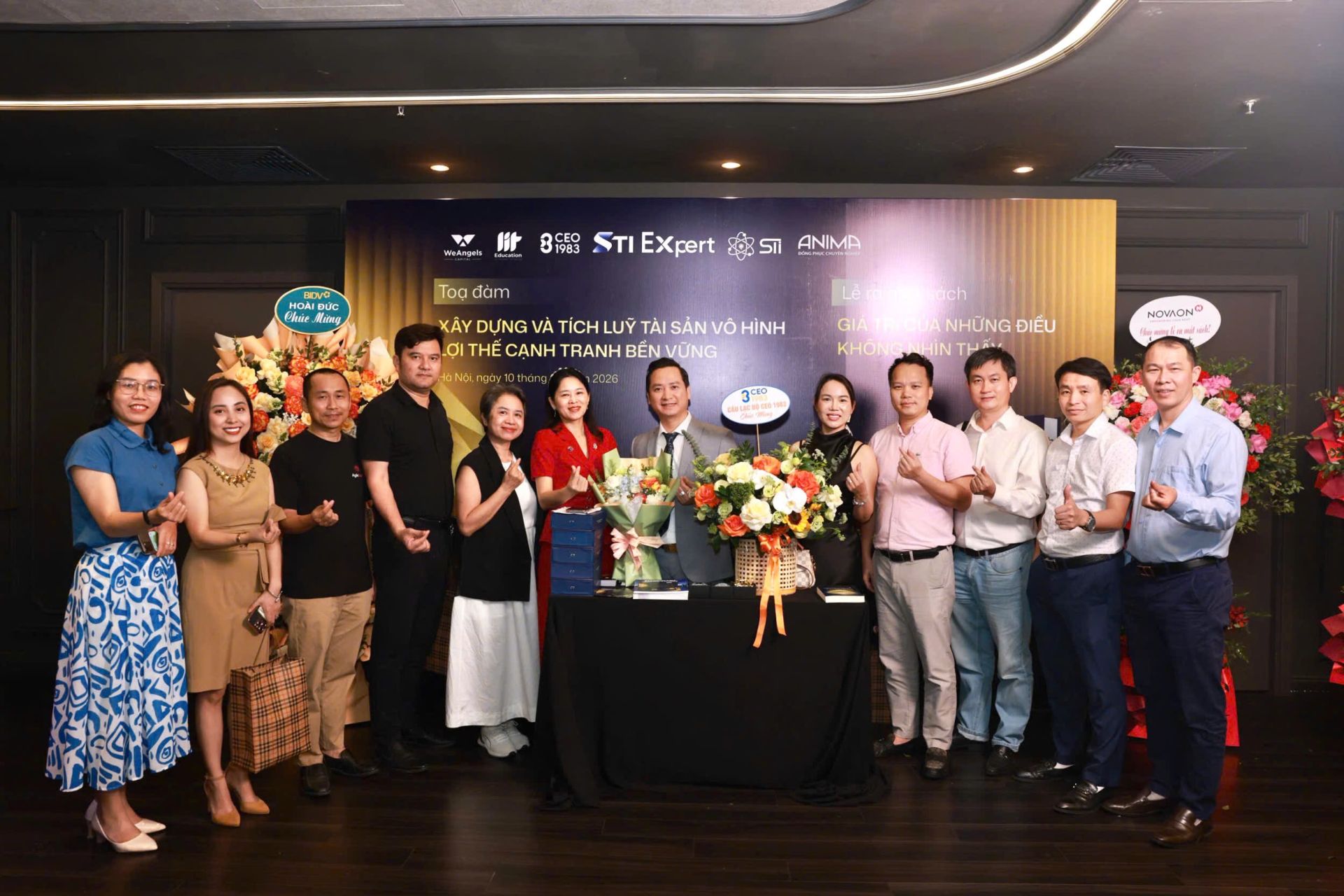
Intangible asset strategy – Vietnamese enterprises are overlooking their own gold mine
Dr. Nguyen Trung Kien, Head of the Institute for Technology Strategy and Innovation, clarified a reality that is becoming increasingly evident yet not fully recognized in management practices in Vietnam: the traditional approach, mainly based on financial indicators and tangible assets, is gradually losing its ability to accurately reflect business value in an environment where most value is created from hard-to-measure factors such as brand, market trust, leadership capability, organizational culture, and technological platforms.
These factors do not appear directly on financial statements, yet they determine a company’s ability to sustain growth and expand in the long term. This has been confirmed by many international studies, including analysis by Ocean Tomo, which shows that the proportion of intangible assets in publicly listed companies in the United States has surpassed a critical threshold, specifically, “the share of intangible assets in the knowledge economy has reached 92%, compared to only about 17% in the industrial era.”
“Tangible assets help a business survive, but intangible assets determine how far it can go” – this statement by Dr. Nguyen Trung Kien reflects a structural shift in the economy, where value no longer lies in what can be possessed, but in what can be created, sustained, and amplified over time.
In addition, leading financial and technology experts in Vietnam delved deeper into questions that the business community is facing but has yet to fully answer from whether companies are “managing what can be measured but failing because of what cannot be measured,” to what investors are actually betting on when deciding to invest in a highly volatile environment, and how global managers have been effectively managing intangible assets.
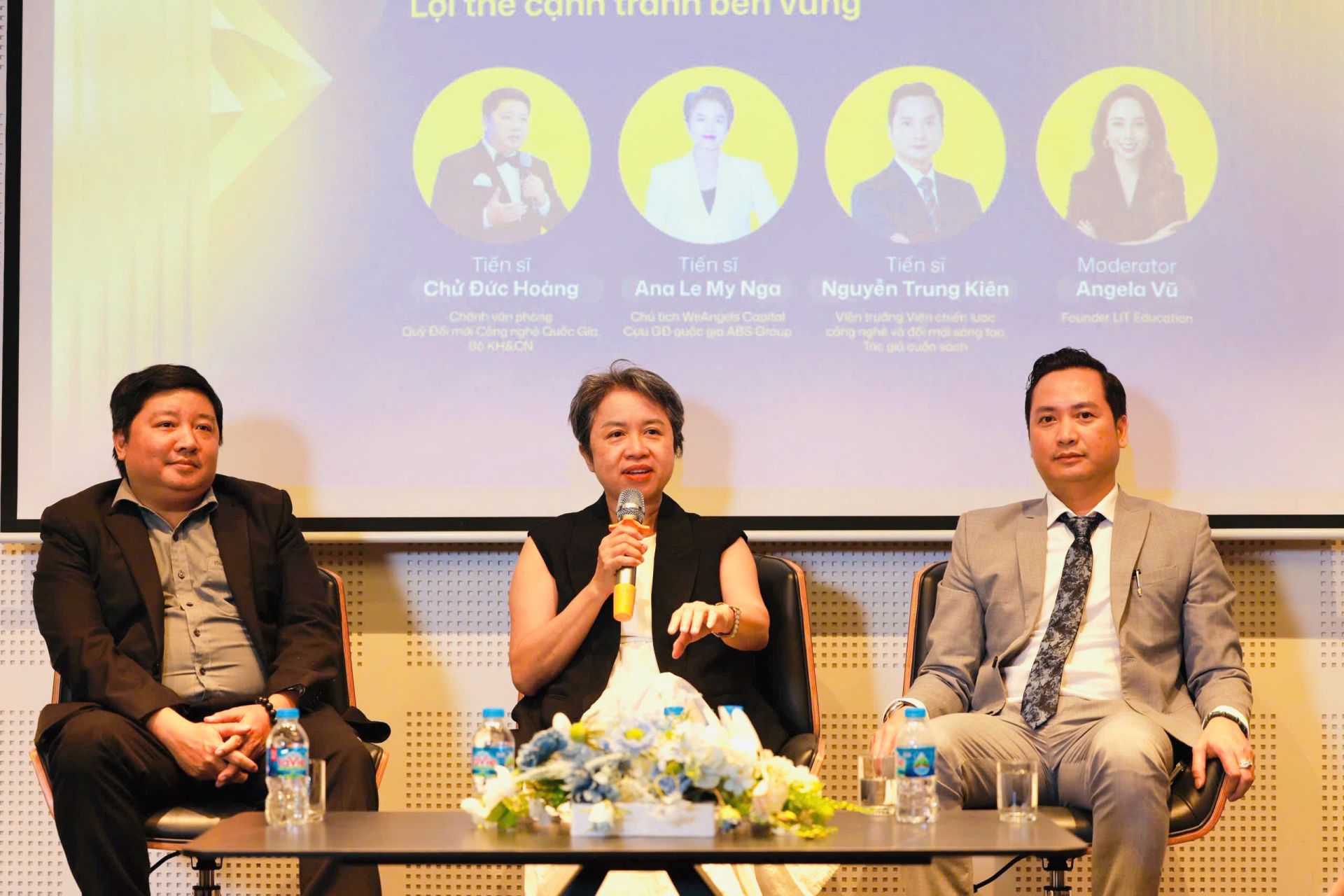
From an investment perspective, Dr. Ana Le My Nga stated that business valuation is increasingly dependent on non-financial factors, not as a temporary trend, but as an inevitable consequence of how value is created in the digital economy, where team quality, the depth of relationship ecosystems, innovation capacity, and the ability to transform knowledge into practical products become far more critical variables than the scale of tangible assets recorded on the books.
Meanwhile, Dr. Chu Duc Hoang approached the issue from a systems perspective, emphasizing that core technology, data, and intellectual property are not only tools for generating profit but also foundations for expanding into new market spaces. However, to achieve this, businesses need a structured strategy to identify, protect, and leverage intangible assets, rather than treating them as auxiliary elements.
One of the biggest bottlenecks highlighted throughout the discussion was that many Vietnamese enterprises possess valuable intangible resources from customer data accumulated over years, established brand recognition, to organizational knowledge formed through operations but these assets exist in fragmented forms, lack systematization, are not protected by appropriate legal mechanisms, and, more importantly, are not deliberately integrated into business strategies. This leads to a situation where they are “difficult to accurately value and at risk of being lost or exploited by competitors.”
The consequence is not only that businesses are undervalued compared to their true worth, but also that they may lose the very core competitive advantages they have quietly accumulated over many years without even realizing it. This is truly the gold mine of enterprises.
The Book “The Value of the Invisible” – A strategic map for the Elite

The book launch was organized under the concept “from the intangible to the tangible,” not only symbolic but also reflective of a journey every business must undergo to survive and grow in the long term, the transformation of abstract values into knowledge that can be applied, protected, and leveraged. The book aims to suggest a more practical approach, in which businesses need to build their own “intangible asset map.” It is considered a “strategic map for the Elite,” distilled from over 15 years of experience working with Vietnamese and international leaders by Dr. Nguyen Trung Kien.
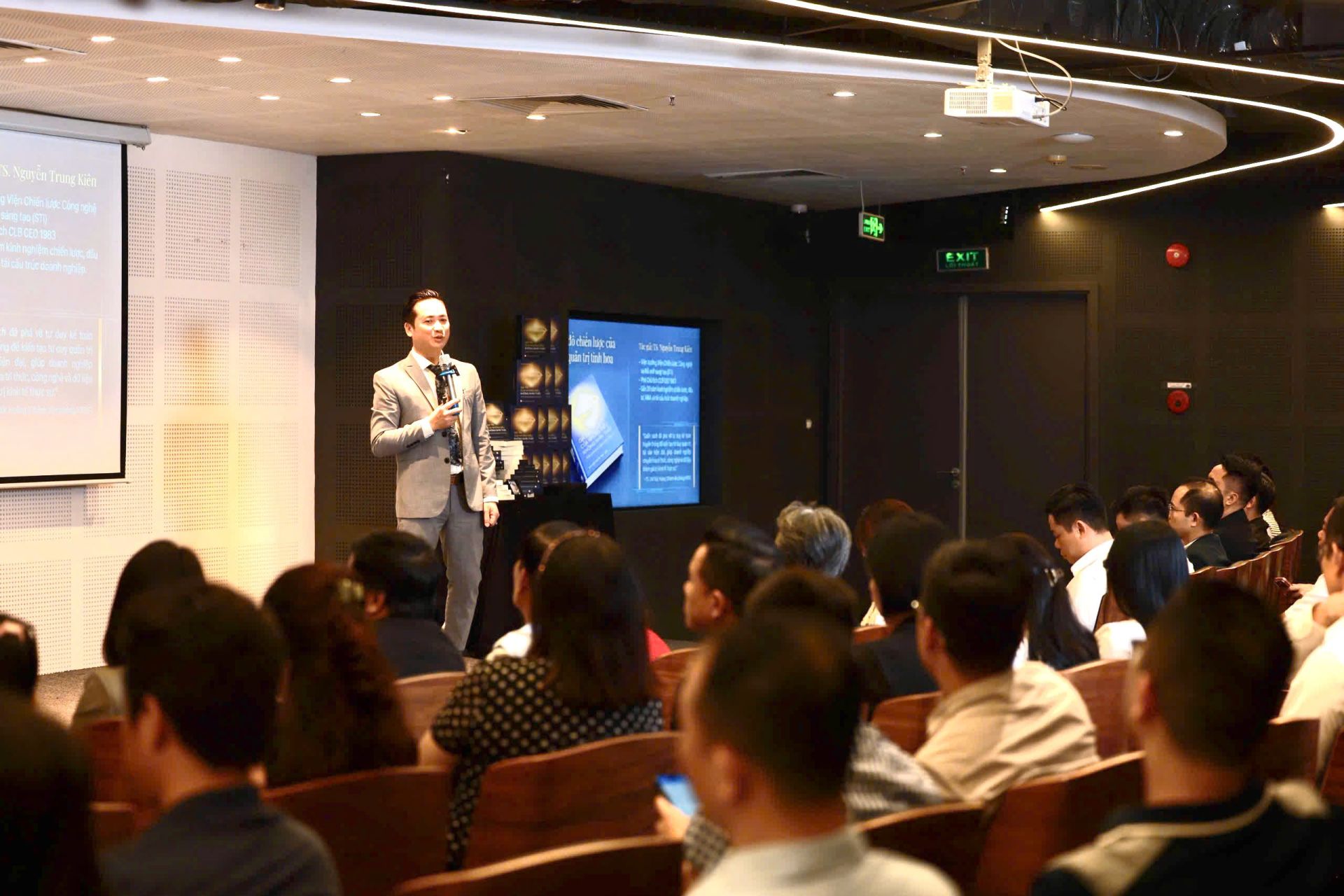
Beyond strategic analysis, the event also created a networking space for entrepreneurs, investors, and experts, where discussions extended beyond the story of a book to broader issues related to sustainable development in the digital era. In a constantly fluctuating market context, the overarching message emphasized by speakers was that businesses should not only focus on scaling or revenue growth, but more importantly, on building and accumulating foundational values that are difficult to replicate, intangible assets as a layer of “value infrastructure” that helps protect businesses against volatility and enables long-term growth.
Closing the event, Dr. Nguyen Trung Kien delivered a profound message: “The biggest question is no longer what a business owns, but how well you understand and leverage your intangible assets.”
|
Book: The Value of the Invisible The book introduces a new mindset on intangible assets, elements that cannot be directly observed but determine the true value and competitive capacity of businesses in the digital era. By combining strategic research, investment practice, and management experience, it helps readers identify types of intangible assets such as brand, data, intellectual property, organizational knowledge, and technology; understand the mechanisms of their formation and value accumulation; and approach methods to transform these elements into sustainable competitive advantages. Core message: Businesses are not valued only by what they own, but by how they understand and leverage what cannot be seen. This is a practical handbook for Vietnam’s small and medium business community, as well as for leaders and managers in a context of integration and constant change. |
By. Dr Nguyễn Thúy Lan
Vietnamese version: Xây dựng và tích lũy tài sản vô hình: Lợi thế cạnh tranh bền vững
Related news
Đọc thêm Business
Vietnam businesses face global test: reform at home, earn trust abroad
Vietnamese companies must transform their leadership, teams and cultural outlook — then build trusted international networks — or risk losing ground to better-prepared global rivals.
Vietnam firms warned: transform within, build trust abroad or fall behind
Vietnamese companies must transform their leadership, teams and cultural outlook — then build trusted international networks — or risk losing ground to better-prepared global rivals.
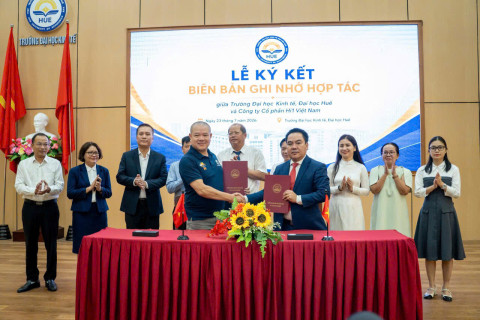
Hi1 and the digital brand ambassador mission: bringing millions of Vietnamese products onto digital platforms with 10,000 Hue students
As millions of OCOP products, local specialty goods and Vietnamese heritage brands continue to struggle to establish a meaningful presence in the digital marketplace, a groundbreaking new cooperation model has just been launched in Hue.
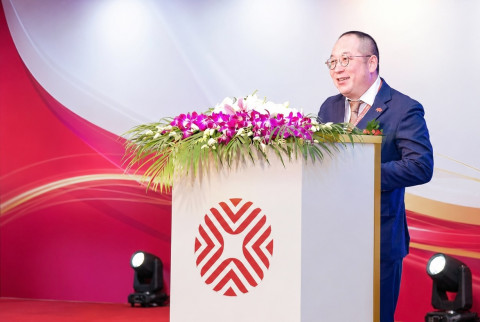
VCBC Chairman Steve Bui: Incentives have run their course — Vietnam enters an institutional race to attract the next generation of FDI
VCBC Chairman Steve Bui analyzes Vietnam's next-generation FDI strategy, stressing that the country must now compete on institutional quality, innovation, and stronger linkages between foreign and domestic enterprises.
Vietnamese Journalism in the Age of AI: How can reporters survive in the profession?
Few professions have faced a transformation as profound as journalism is experiencing today.
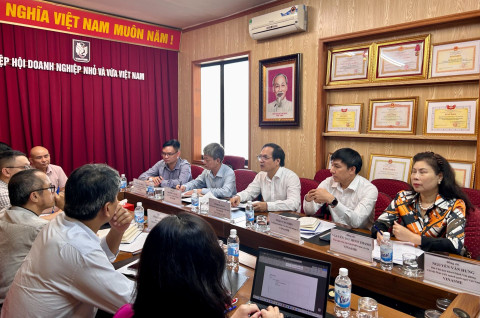
Businesses under pressure: Capital and talent shortages threaten competitiveness
The Vietnam Institute of Economics and World Affairs (VIEWA) recently held a working session with the Vietnam Association of Small and Medium Enterprises (VINASME) as part of a policy research and business support initiative.
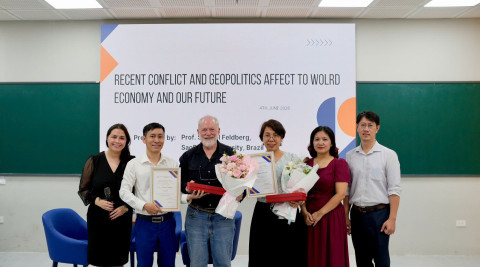
Dr. Samuel Feldberg warns of risks that could reshape the global economic order and shares strategic advice for Vietnamese businesses
Geopolitical tensions, technological transformation, trade fragmentation, and financial uncertainty are reshaping the global economy at an unprecedented pace.
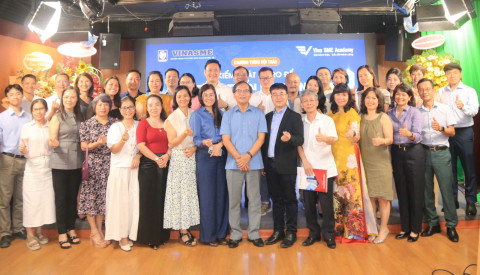
VINASME organizes training program on risk control for sustainable business development amid uncertainty
In the context of a rapidly changing economy, increasing competition, and accelerating digital transformation, risk management capability has become a critical factor determining the resilience and sustainable growth of businesses, particularly SMEs.
Vietnam’s International Financial Center looks beyond tax incentives to compete
What makes a city an international financial center? Is it skyscrapers, massive capital flows, or generous tax incentives?
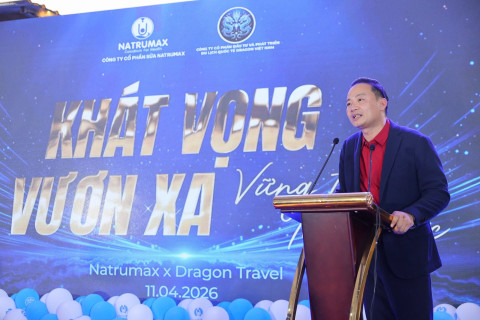
CEO Nguyễn Tất Tùng: only by anchoring in culture and preserving national identity can Vietnamese entrepreneurs reach the world
In a setting imbued with the rich cultural essence of Kinh Bắc, the 15th anniversary celebration of Dragon Travel was far more than a typical corporate event.