

From cost optimization to “survival optimization”: Vietnamese firms confront supply chain volatility
- Business
- 23:31 20/03/2026
DNHN - A fresh surge in domestic fuel prices is not only squeezing household budgets but also triggering a quiet yet profound wave of concern across Vietnam’s business community.
As each price fluctuation forces companies to revisit contracts, many are realizing that the real threat lies not in rising costs themselves, but in the growing inability to forecast them. In an increasingly uncertain world, the challenge is no longer simply cost optimization.
Signals of instability from global energy markets are rapidly reaching Vietnam, directly impacting production, trade and exports. From large corporations to small and medium-sized enterprises, businesses are recalculating their cost structures under mounting pressure.
A food chain business owner in Hanoi, identified as T.Q., said: “We adjusted prices not long ago, but if this trend continues, maintaining current prices will be nearly impossible. The hardest part is not raising prices, but figuring out how to adjust them appropriately.”
This is far from an isolated case. As transportation costs continue to fluctuate, corporate pricing structures are directly affected, forcing adjustments in financial planning, production strategies, and market positioning
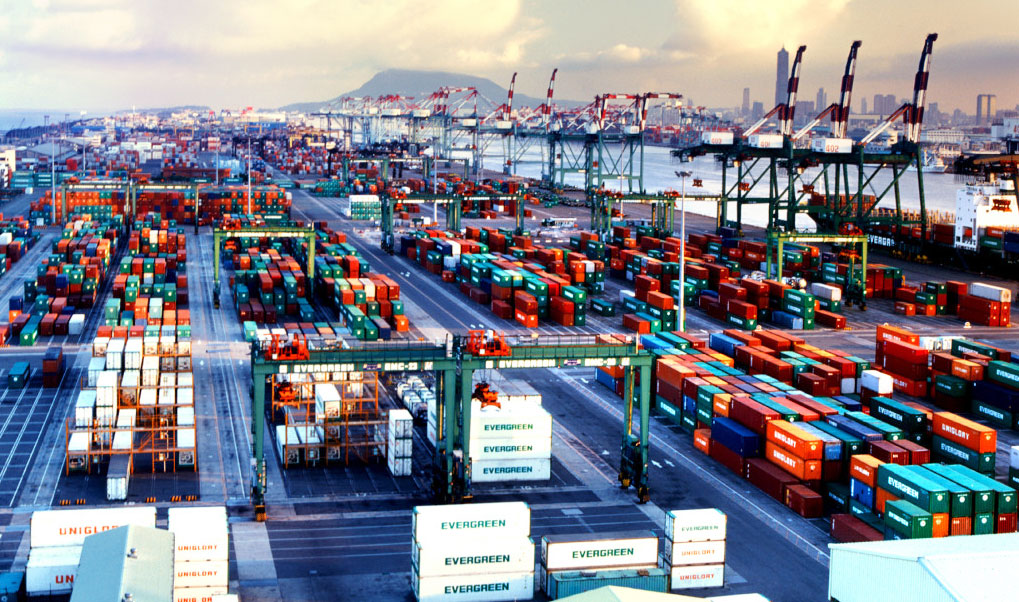
When uncertainty becomes the “highest cost”
Export-oriented firms report shortening quotation validity periods and even limiting long-term contracts due to their inability to control shipping costs. This not only affects revenue but also undermines credibility with international partners.
A cautious mindset is spreading quietly. Companies are prioritizing cash flow preservation and risk reduction over rapid expansion. However, if prolonged, this approach could cause businesses to miss opportunities during a global market recovery cycle.
Current disruptions are also reshaping perceptions of logistics. Once considered a supporting function, logistics has now become a decisive factor in operational efficiency and competitiveness. Companies that can control transportation costs, maintain delivery schedules and stabilize pricing gain a clear advantage. Those that cannot risk falling into a reactive position.
This shift underscores a new imperative: logistics is no longer an area for cost-cutting alone, but a strategic domain requiring investment and long-term management as part of sustainable development.
Structural bottlenecks laid bare
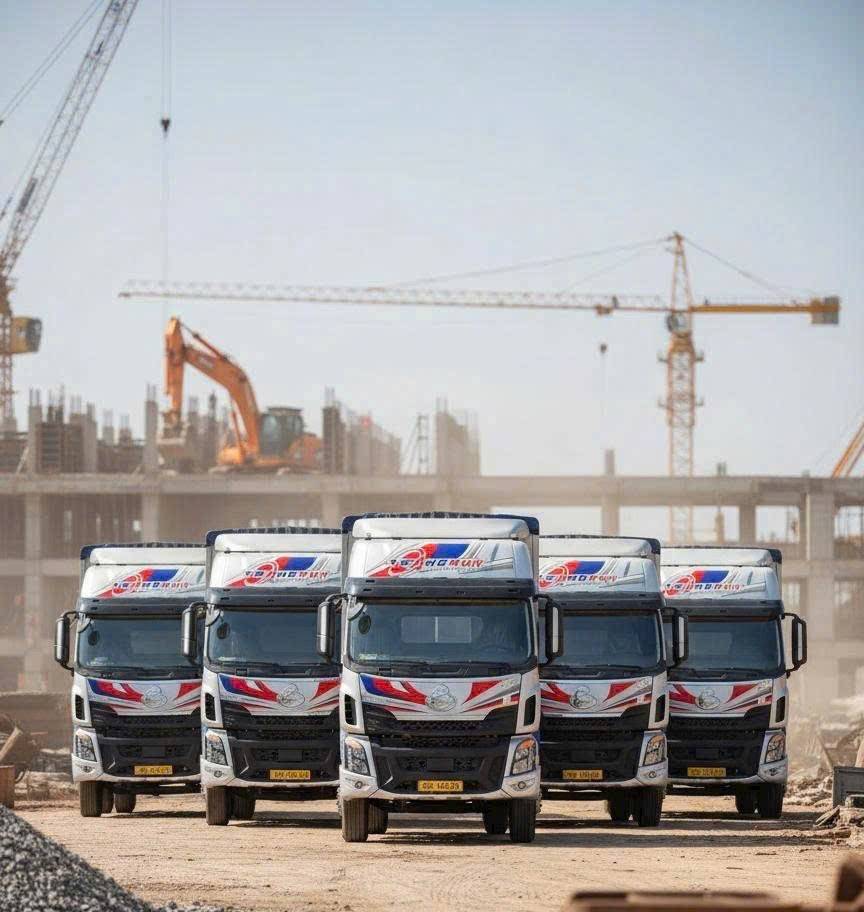
The current volatility has not created entirely new problems, but has exposed long-standing inefficiencies. Waste in domestic transport, particularly the high rate of empty return trips continues to inflate costs. As fuel prices rise, these “hidden costs” become increasingly visible.
Heavy reliance on road transport also leaves businesses vulnerable to energy price fluctuations, while alternative modes such as rail remain underutilized despite significant potential.
At the same time, mounting pressure for energy transition is forcing companies to balance short-term efficiency with long-term sustainability requirements.
Amid ongoing volatility, many firms are shifting from reactive responses to proactive adaptation. A business executive noted: “We have no choice but to pass costs on to customers, and ultimately consumers bear the burden.” This is not only a cost issue but a warning of broader ripple effects across the economy.
In response, several strategic shifts are emerging. First, businesses are diversifying partners and transport routes to reduce dependence on a single corridor or market. Second, developing cost scenarios based on varying energy price levels is becoming a core element of financial management rather than a contingency plan. Third, collaboration among companies to optimize transport and share resources is gaining traction, offering a more efficient alternative to isolated operations. Fourth, investment in data and forecasting capabilities is increasingly seen as essential to improving decision-making in an environment marked by uncertainty.
These changes signal a significant shift in mindset from optimizing costs under stable conditions to building resilience in a volatile landscape.
Policy support and long-term restructuring
Despite challenges, Vietnam’s business community has grounds for cautious optimism. The government has taken proactive and flexible measures to stabilize the macroeconomy, control inflation and support production and business activities.
Policies on fuel price management, infrastructure development, logistics capacity enhancement and energy transition are being implemented in a coordinated manner, gradually laying the foundation for long-term stability.
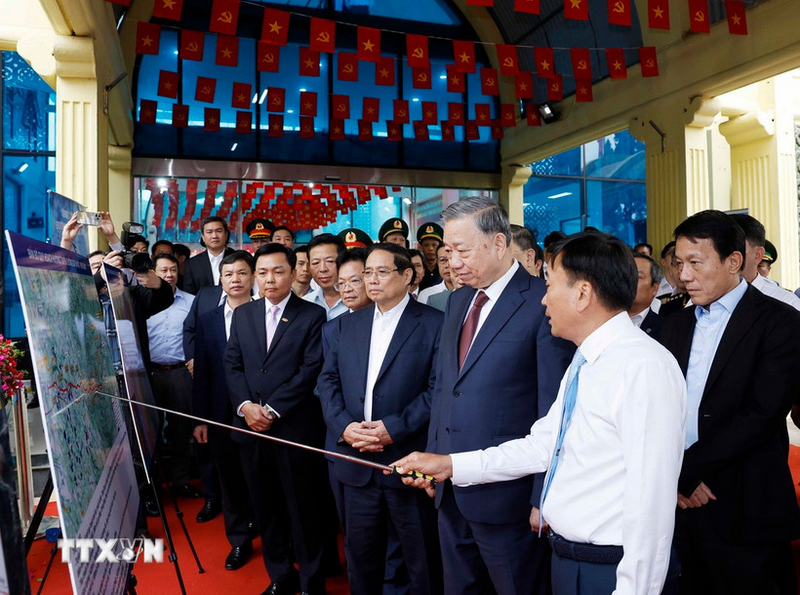
He emphasized the challenges facing the project while identifying it as a strategic breakthrough in bilateral economic cooperation. Developing cross-border railway infrastructure, he noted, would not only reduce logistics costs but also enhance national competitiveness and help Vietnam integrate more deeply into regional and global transport networks. He also stressed the need for alignment with national strategic planning, diversified funding sources, technological transparency and adherence to technical standards.
Notably, Vietnam’s commitment to sustainable development through digital transformation, green transition and strengthening internal business capabilities, is opening new growth opportunities. Institutional reforms, improvements in the business environment and stronger regional linkages continue to drive competitiveness.
A test and an opportunity
Every period of volatility is a test, but also an opportunity for repositioning.
Companies that proactively invest in operational capacity, risk management and adaptability will not only weather current challenges but also build a solid foundation for long-term growth. At this juncture, green transformation is no longer optional, it is becoming a survival strategy to mitigate cost risks, enhance competitiveness and ensure resilience in a volatile economy.
CEO Nguyen Thi Bich Thuy, Trang Huy Logistics Company, said: “Current cost volatility is a major challenge, but also an opportunity for comprehensive restructuring. We believe in the government’s flexible macroeconomic management and will proactively invest in digital transformation and green logistics solutions to strengthen competitiveness in the coming period.”
The transition from cost optimization to survival optimization is not only necessary but also a stepping stone toward greater efficiency and sustainable development. With consistent policy direction and government support, Vietnamese enterprises can confidently navigate challenges, seize opportunities and reinforce their position in the global value chain.
|
Fuel prices surge after March 19, 2026 adjustment
This marks one of the rare occasions when gasoline prices have exceeded VND 30,000 per liter, while petroleum products have recorded sharp increases, placing significant pressure on transportation, production and consumption costs across the economy. |
Related news
Đọc thêm Business

Vietnam businesses face global test: reform at home, earn trust abroad
Vietnamese companies must transform their leadership, teams and cultural outlook — then build trusted international networks — or risk losing ground to better-prepared global rivals.
Vietnam firms warned: transform within, build trust abroad or fall behind
Vietnamese companies must transform their leadership, teams and cultural outlook — then build trusted international networks — or risk losing ground to better-prepared global rivals.
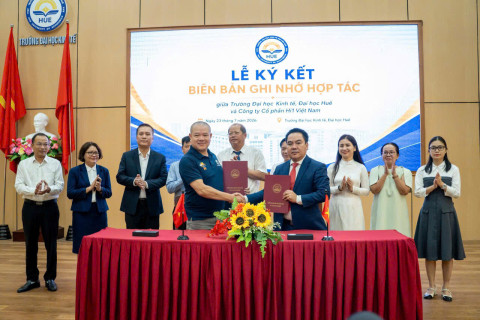
Hi1 and the digital brand ambassador mission: bringing millions of Vietnamese products onto digital platforms with 10,000 Hue students
As millions of OCOP products, local specialty goods and Vietnamese heritage brands continue to struggle to establish a meaningful presence in the digital marketplace, a groundbreaking new cooperation model has just been launched in Hue.
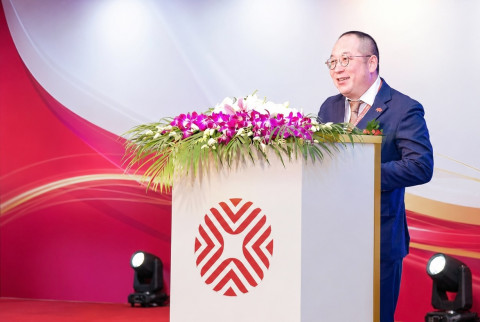
VCBC Chairman Steve Bui: Incentives have run their course — Vietnam enters an institutional race to attract the next generation of FDI
VCBC Chairman Steve Bui analyzes Vietnam's next-generation FDI strategy, stressing that the country must now compete on institutional quality, innovation, and stronger linkages between foreign and domestic enterprises.

Vietnamese Journalism in the Age of AI: How can reporters survive in the profession?
Few professions have faced a transformation as profound as journalism is experiencing today.
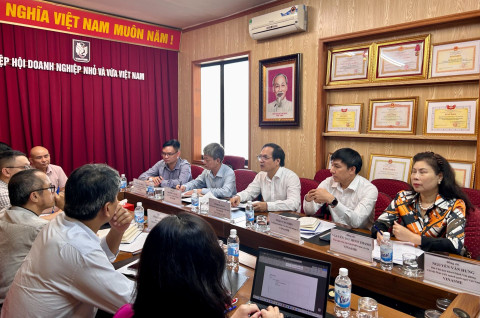
Businesses under pressure: Capital and talent shortages threaten competitiveness
The Vietnam Institute of Economics and World Affairs (VIEWA) recently held a working session with the Vietnam Association of Small and Medium Enterprises (VINASME) as part of a policy research and business support initiative.
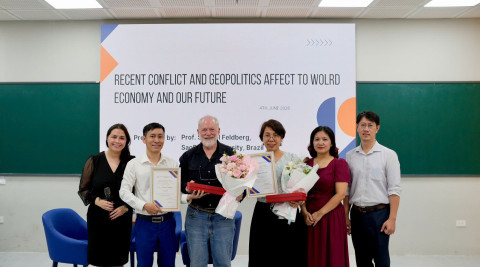
Dr. Samuel Feldberg warns of risks that could reshape the global economic order and shares strategic advice for Vietnamese businesses
Geopolitical tensions, technological transformation, trade fragmentation, and financial uncertainty are reshaping the global economy at an unprecedented pace.
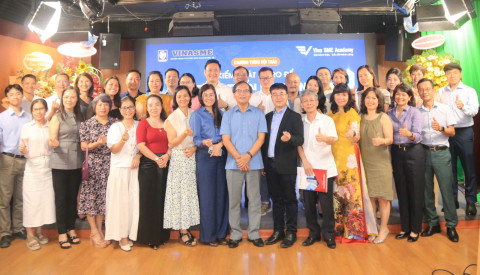
VINASME organizes training program on risk control for sustainable business development amid uncertainty
In the context of a rapidly changing economy, increasing competition, and accelerating digital transformation, risk management capability has become a critical factor determining the resilience and sustainable growth of businesses, particularly SMEs.
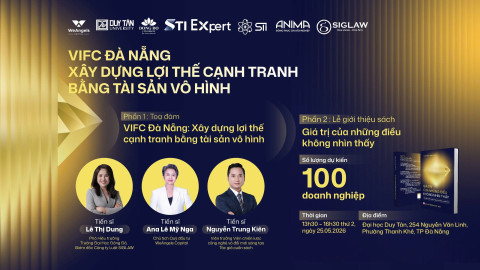
Vietnam’s International Financial Center looks beyond tax incentives to compete
What makes a city an international financial center? Is it skyscrapers, massive capital flows, or generous tax incentives?

CEO Nguyễn Tất Tùng: only by anchoring in culture and preserving national identity can Vietnamese entrepreneurs reach the world
In a setting imbued with the rich cultural essence of Kinh Bắc, the 15th anniversary celebration of Dragon Travel was far more than a typical corporate event.