

The bulk of enterprise value now comes from intangible assets such as knowledge, data, brand equity, and intellectual property. However, many Vietnamese companies have yet to fully recognize these critical resources.
Are Vietnamese firms overlooking their most valuable “gold mine”?
- Business
- 00:12 18/03/2026
DNHN - In the digital economy, corporate value no longer primarily resides in factories or machinery. A growing body of research highlights a fundamental shift in how value is created.
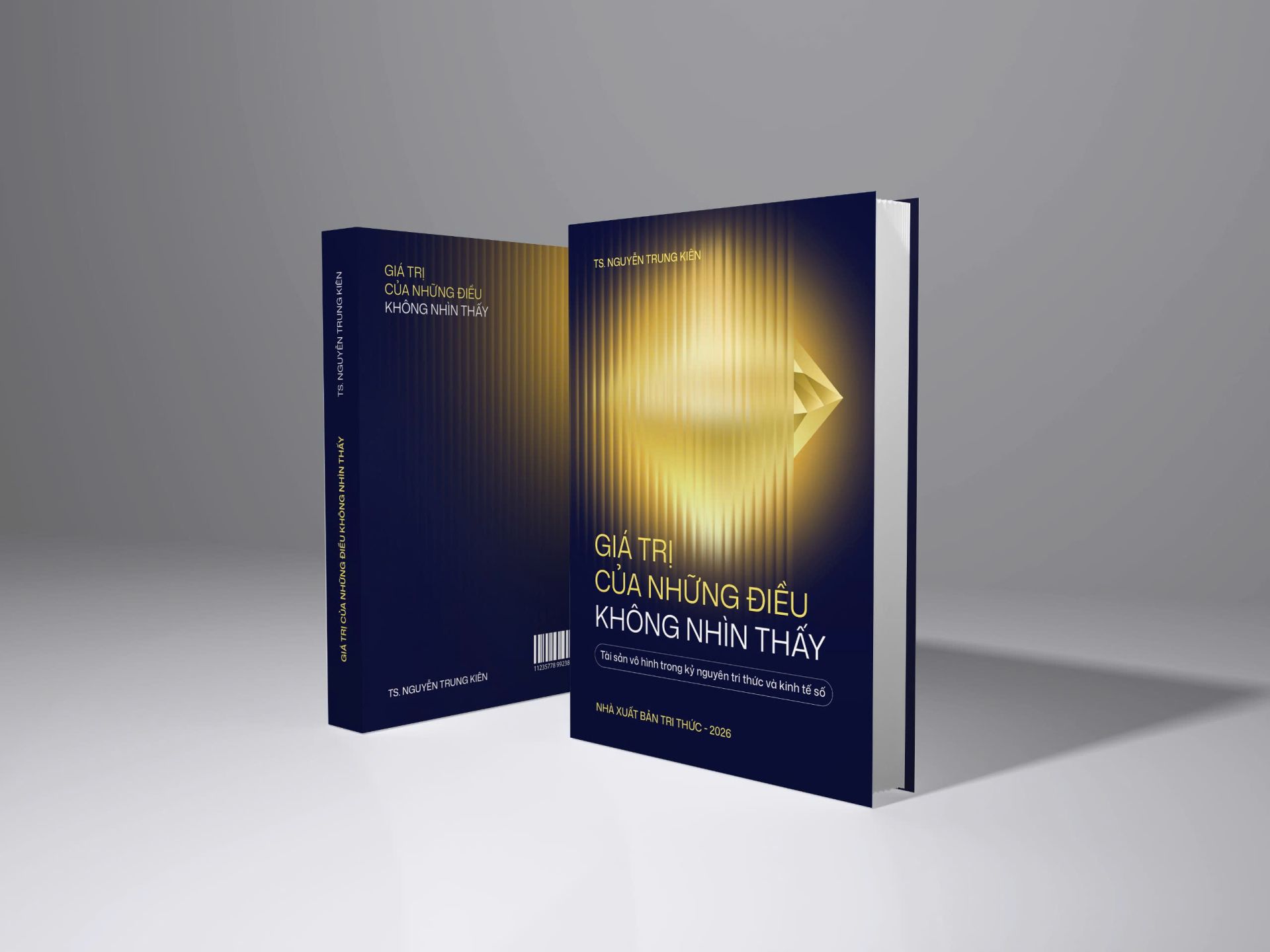
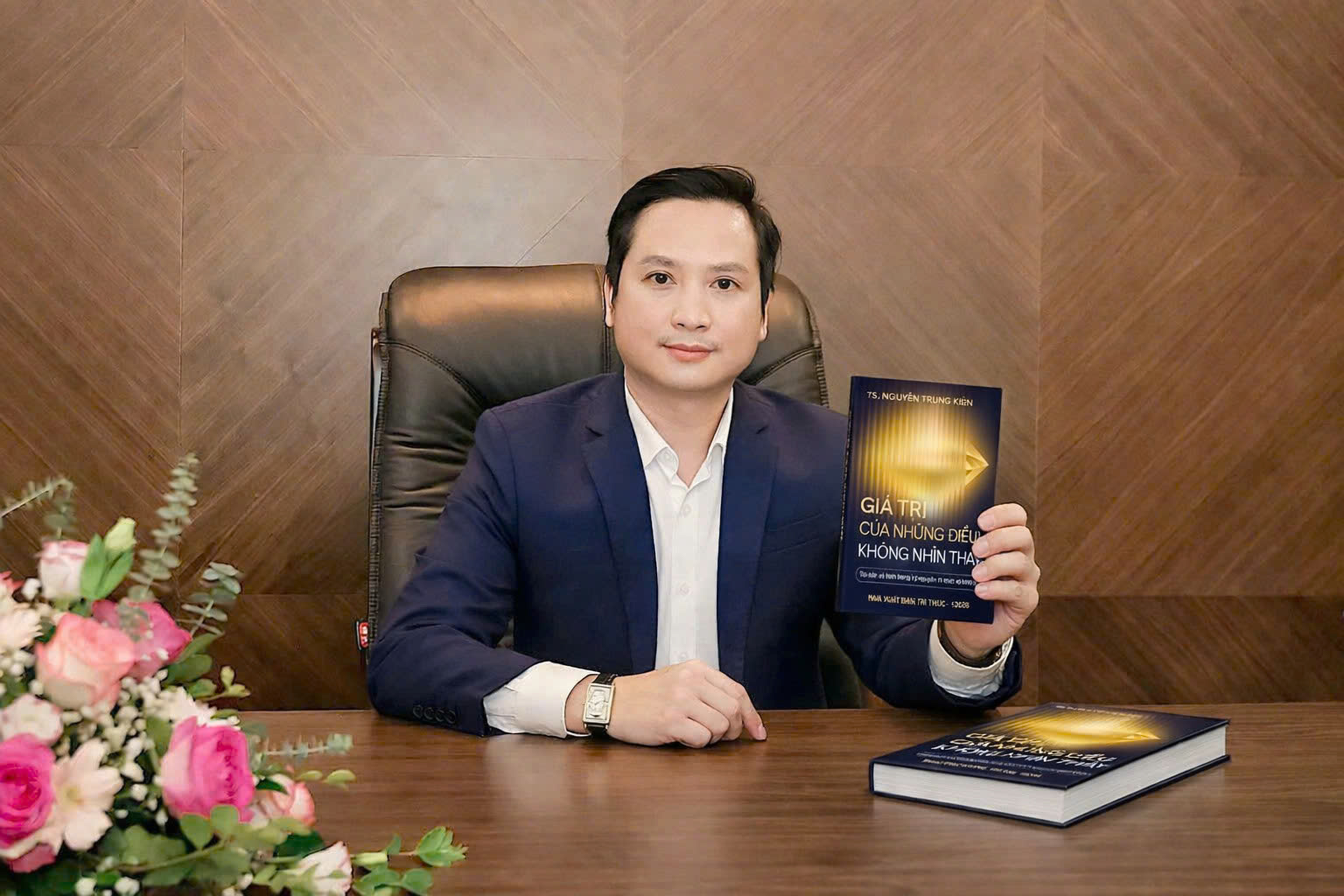
In a recent interview with Business and Integration Magazine, Dr. Nguyen Trung Kien, Head of the Institute for Technology Strategy and Innovation, shared insights into the factors quietly shaping corporate competitiveness in today’s knowledge-driven era. He is also the author of “The Value of the Invisible” (Vietnamese name of the book: “Giá trị của những điều không nhìn thấy”), a strategic roadmap that sheds light on intangible assets in the knowledge economy.
Reporter: Studies suggest that 80–90% of the value of major global corporations now comes from intangible assets. Why has this shift become so pronounced?
Dr. Nguyen Trung Kien: In the industrial economy, tangible assets such as factories, production lines, and real estate formed the foundation of value creation. But in the knowledge economy, the structure of value has fundamentally changed.
This reversal in the global value structure began around 1975, when intangible assets accounted for just 17% of corporate valuations. By 2025, that figure had risen to approximately 92%, according to Ocean Tomo’s analyses of S&P 500 companies.
Today, an algorithm can generate more value than an entire factory. A strong brand enables companies to price products far above production costs. And customer data, something intangible, has become a “gold mine” in the digital age.
As a result, global capital markets increasingly value knowledge, technology, data, user ecosystems, and brand trust.
Reporter: Where do Vietnamese companies currently stand in terms of intangible assets?
Dr. Nguyen Trung Kien: In reality, many Vietnamese companies already possess highly valuable intangible assets but they have not fully identified them.
A business may have a strong industry brand. A technology firm may own sophisticated algorithms or valuable data platforms. An organization may have built a loyal customer base over many years.
However, most of these assets are not managed as strategic resources. There is still a lack of systematic practices for protecting and valuing brands, data, and organizational knowledge. As a result, companies are not fully leveraging their true potential.
Reporter: Your book discusses valuation methods for intangible assets in depth. Why is valuation so important?
Dr. Nguyen Trung Kien: In business, if you do not know what your assets are worth, it is difficult to make sound strategic decisions.
When companies raise capital, engage in M&A, or list on international markets, investors evaluate not only tangible assets but also intangible ones.
Globally, there are well-established valuation methods such as Relief-from-Royalty, Excess Earnings, Real Options, and technology valuation models. These frameworks help translate seemingly abstract factors into concrete financial value.
The key point is that intangible assets can be quantified and managed in a systematic way.
Reporter: Some companies are concerned that intangible assets are difficult to control and may pose risks. How do you view this issue?
Dr. Nguyen Trung Kien: The biggest risk is not how to manage intangible assets, but failing to manage them at all.
If a company does not register intellectual property rights, it risks losing the ability to exploit its own innovations. If it fails to protect data, it may face significant losses. Without proper trademark registration, brands can be copied or infringed upon over time.
Therefore, managing intangible assets should be seen as an integral part of enterprise risk management.
Reporter: If a Vietnamese entrepreneur or CEO wants to build an intangible asset strategy, where should they start?
Dr. Nguyen Trung Kien: The first step is to identify the intangible assets the company already possesses. This is typically done through an intellectual property audit (IP audit).
Companies should ask key questions:
What inventions, patents, or copyrights do we own?
What data and technologies are under our control?
What is the value of our brand, trademarks, and industrial designs?
What knowledge creates our competitive advantage?
Once this “map” of intangible assets is established, companies can develop more effective strategies to manage and leverage them.
Reporter: What inspired you to write “The Value of the Invisible”?
Dr. Nguyen Trung Kien: Over nearly two decades working in strategy, investment, and corporate restructuring, I realized that many Vietnamese companies have strong potential but do not fully understand or leverage their true value.
This book aims to provide a strategic framework to help CEOs identify the hidden value structure behind balance sheets. It also seeks to accompany the global business community in the knowledge economy, with a clear message: what seems intangible may in fact be the most sustainable source of value in the future.
In an increasingly competitive global landscape, intangible assets are no longer a theoretical concept, they have become a strategic imperative for businesses. Even among large corporations, an “invisible war” is emerging over control of these assets, which increasingly define power and long-term competitiveness.
Reporter: Thank you very much.
|
By Dr. Nguyễn Thúy Lan
Vietnamese version: https://doanhnghiephoinhap.vn/doanh-nghiep-viet-dang-bo-quen-mo-vang-gia-tri-nhat-cua-minh-129915.html
Related news
Đọc thêm Business
Vietnam businesses face global test: reform at home, earn trust abroad
Vietnamese companies must transform their leadership, teams and cultural outlook — then build trusted international networks — or risk losing ground to better-prepared global rivals.
Vietnam firms warned: transform within, build trust abroad or fall behind
Vietnamese companies must transform their leadership, teams and cultural outlook — then build trusted international networks — or risk losing ground to better-prepared global rivals.
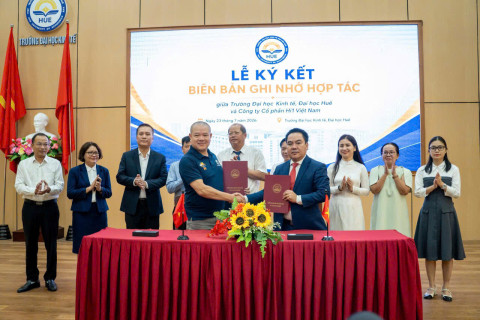
Hi1 and the digital brand ambassador mission: bringing millions of Vietnamese products onto digital platforms with 10,000 Hue students
As millions of OCOP products, local specialty goods and Vietnamese heritage brands continue to struggle to establish a meaningful presence in the digital marketplace, a groundbreaking new cooperation model has just been launched in Hue.
VCBC Chairman Steve Bui: Incentives have run their course — Vietnam enters an institutional race to attract the next generation of FDI
VCBC Chairman Steve Bui analyzes Vietnam's next-generation FDI strategy, stressing that the country must now compete on institutional quality, innovation, and stronger linkages between foreign and domestic enterprises.
Vietnamese Journalism in the Age of AI: How can reporters survive in the profession?
Few professions have faced a transformation as profound as journalism is experiencing today.
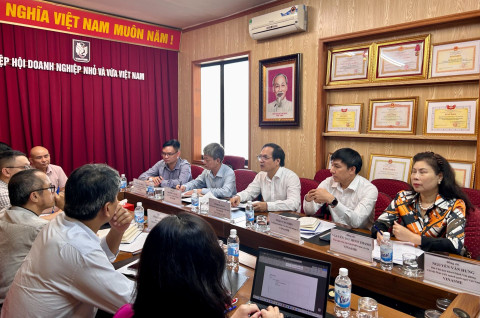
Businesses under pressure: Capital and talent shortages threaten competitiveness
The Vietnam Institute of Economics and World Affairs (VIEWA) recently held a working session with the Vietnam Association of Small and Medium Enterprises (VINASME) as part of a policy research and business support initiative.
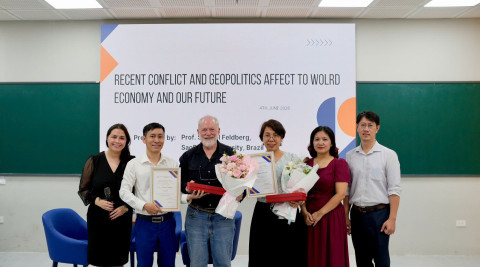
Dr. Samuel Feldberg warns of risks that could reshape the global economic order and shares strategic advice for Vietnamese businesses
Geopolitical tensions, technological transformation, trade fragmentation, and financial uncertainty are reshaping the global economy at an unprecedented pace.
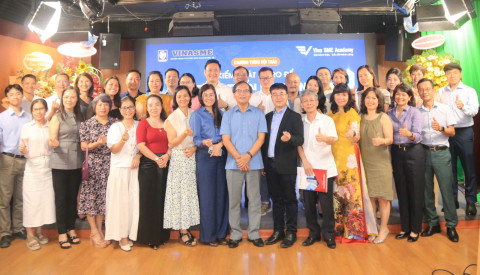
VINASME organizes training program on risk control for sustainable business development amid uncertainty
In the context of a rapidly changing economy, increasing competition, and accelerating digital transformation, risk management capability has become a critical factor determining the resilience and sustainable growth of businesses, particularly SMEs.
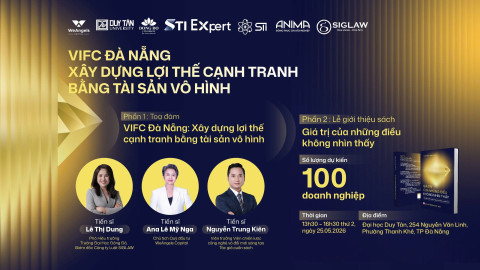
Vietnam’s International Financial Center looks beyond tax incentives to compete
What makes a city an international financial center? Is it skyscrapers, massive capital flows, or generous tax incentives?
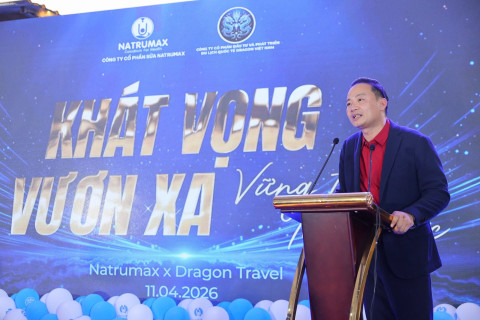
CEO Nguyễn Tất Tùng: only by anchoring in culture and preserving national identity can Vietnamese entrepreneurs reach the world
In a setting imbued with the rich cultural essence of Kinh Bắc, the 15th anniversary celebration of Dragon Travel was far more than a typical corporate event.