

Hi1 and the digital brand ambassador mission: bringing millions of Vietnamese products onto digital platforms with 10,000 Hue students
- Business
- 16:27 29/07/2026
DNHN - As millions of OCOP products, local specialty goods and Vietnamese heritage brands continue to struggle to establish a meaningful presence in the digital marketplace, a groundbreaking new cooperation model has just been launched in Hue.
Under this initiative, 10,000 students majoring in e-commerce and marketing will no longer be waiting to graduate before searching for jobs. Instead, they will become an active workforce driving digital transformation for local businesses starting today.
At the center of this pioneering model is the F2C Hi1 e-commerce platform, a homegrown Vietnamese technology platform committed to developing Vietnamese brands by connecting producers directly with consumers, while helping each student become a digital brand ambassador for Vietnamese goods.
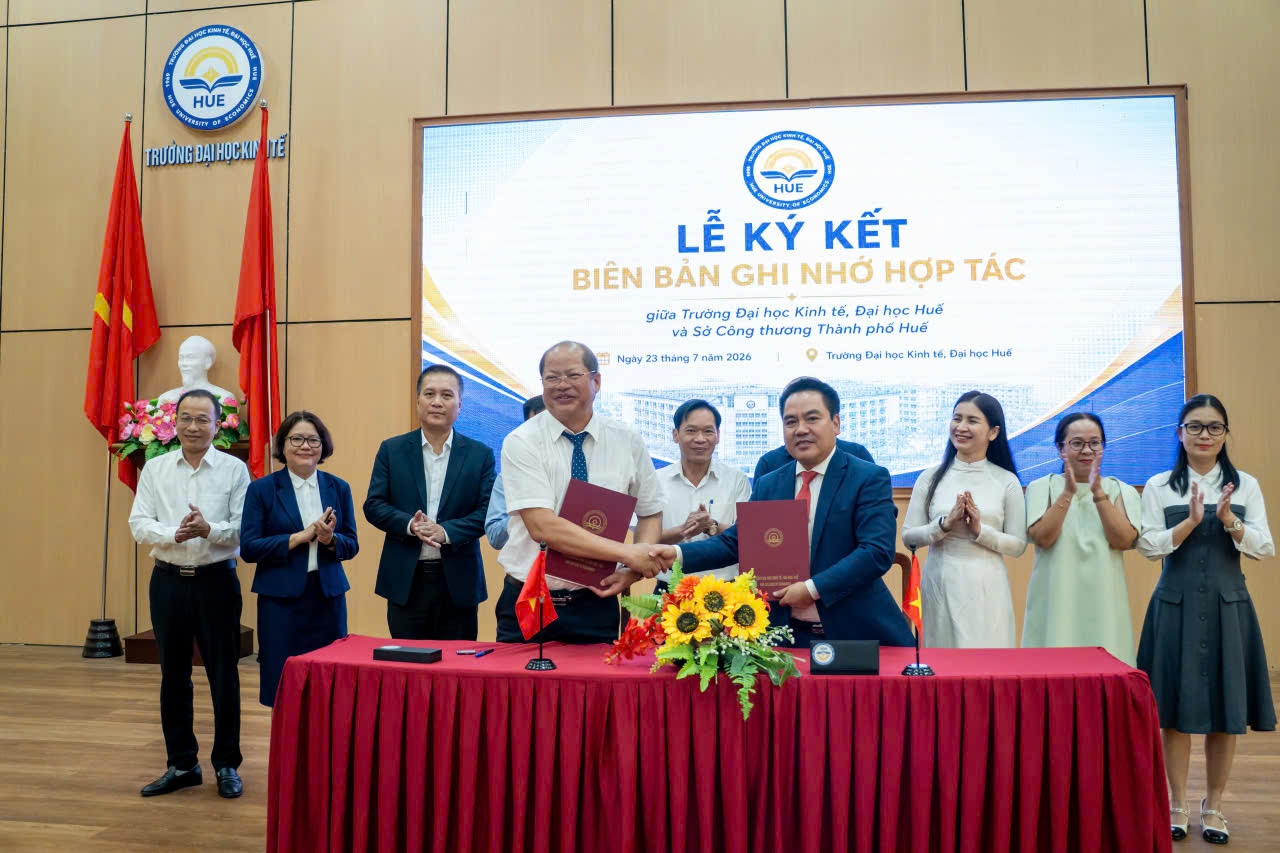
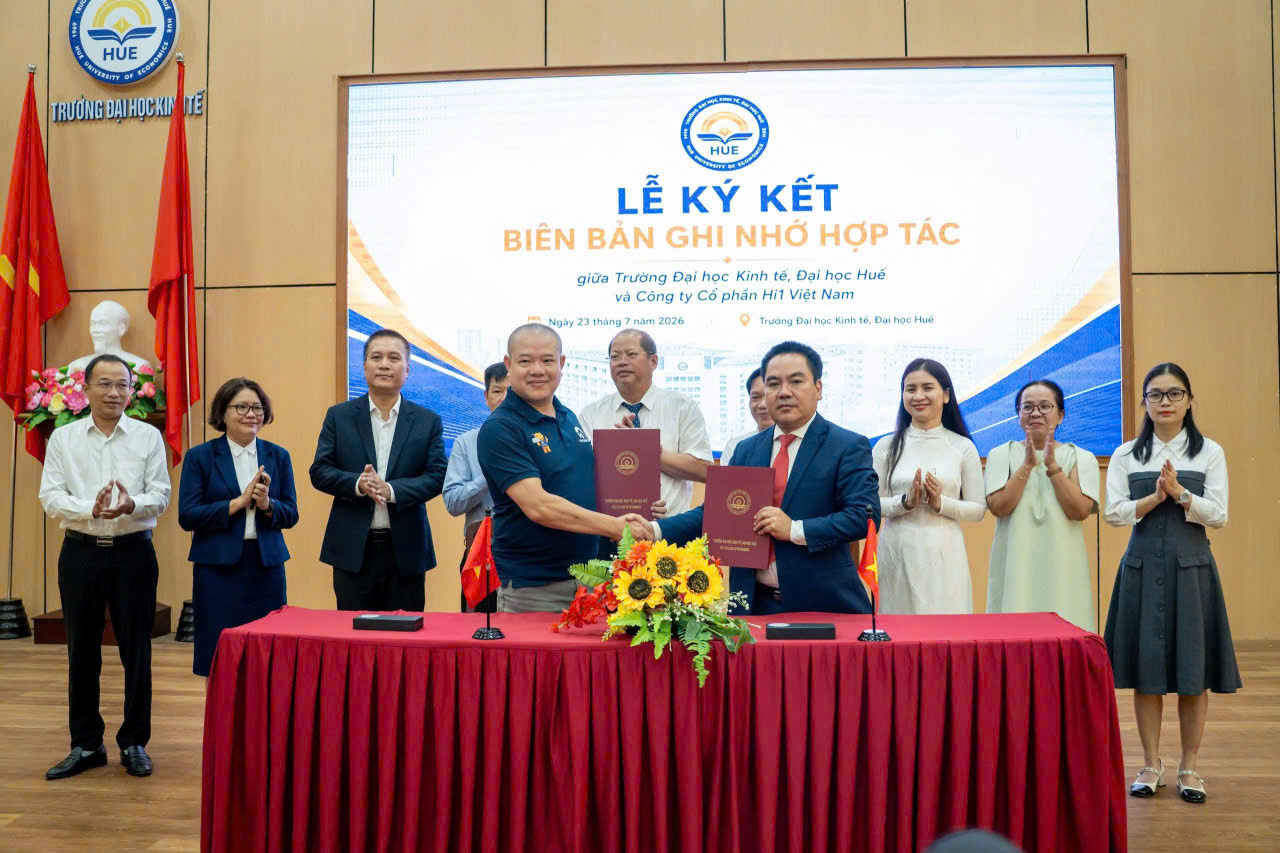
On the occasion of the strategic cooperation signing ceremony between Hi1, the Hue City Department of Industry and Trade, and the University of Economics at Hue University, Vietnam Business and Integration Magazine sat down with Mr. Kieu Tien Anh, Chief Operating Officer of the Hi1 e-commerce platform, to discuss this journey.
From the very name, Hi1 carries the label "Thuần Việt" (Purely Vietnamese), setting it clearly apart from the foreign-owned platforms currently dominating the market. What is the story behind this positioning?
Mr. Kieu Tien Anh: It was a very deliberate choice, not an accident. Looking at Vietnam's e-commerce market today, the major platforms are either foreign-controlled or overwhelmingly foreign-funded. There is nothing inherently wrong with that, but it creates a significant gap that we identified, namely that millions of OCOP products, local specialties, craft village goods and cooperative products are being placed on platforms that do not truly understand their value or their stories.
Hi1 was founded to fill that gap. Our F2C model, which stands for Factory to Consumer, is not simply a distribution model. It is a commitment to protecting the authentic value of Vietnamese products, ensuring that producers receive fair compensation and consumers receive genuine quality at honest prices.
The signing ceremony has been widely described as a very different approach from how e-commerce platforms typically develop their markets. Could you share the strategic thinking behind choosing Hue and choosing to partner with universities?
Mr. Kieu Tien Anh: Hue was a strategically considered choice. This is a region with one of the highest concentrations of OCOP products, traditional craft villages, local specialties, cultural heritage and tourism-linked production anywhere in Vietnam. But precisely because of that richness, products here face a profound challenge: there simply are not enough skilled people to bring them onto digital platforms in a professional and sustainable way.
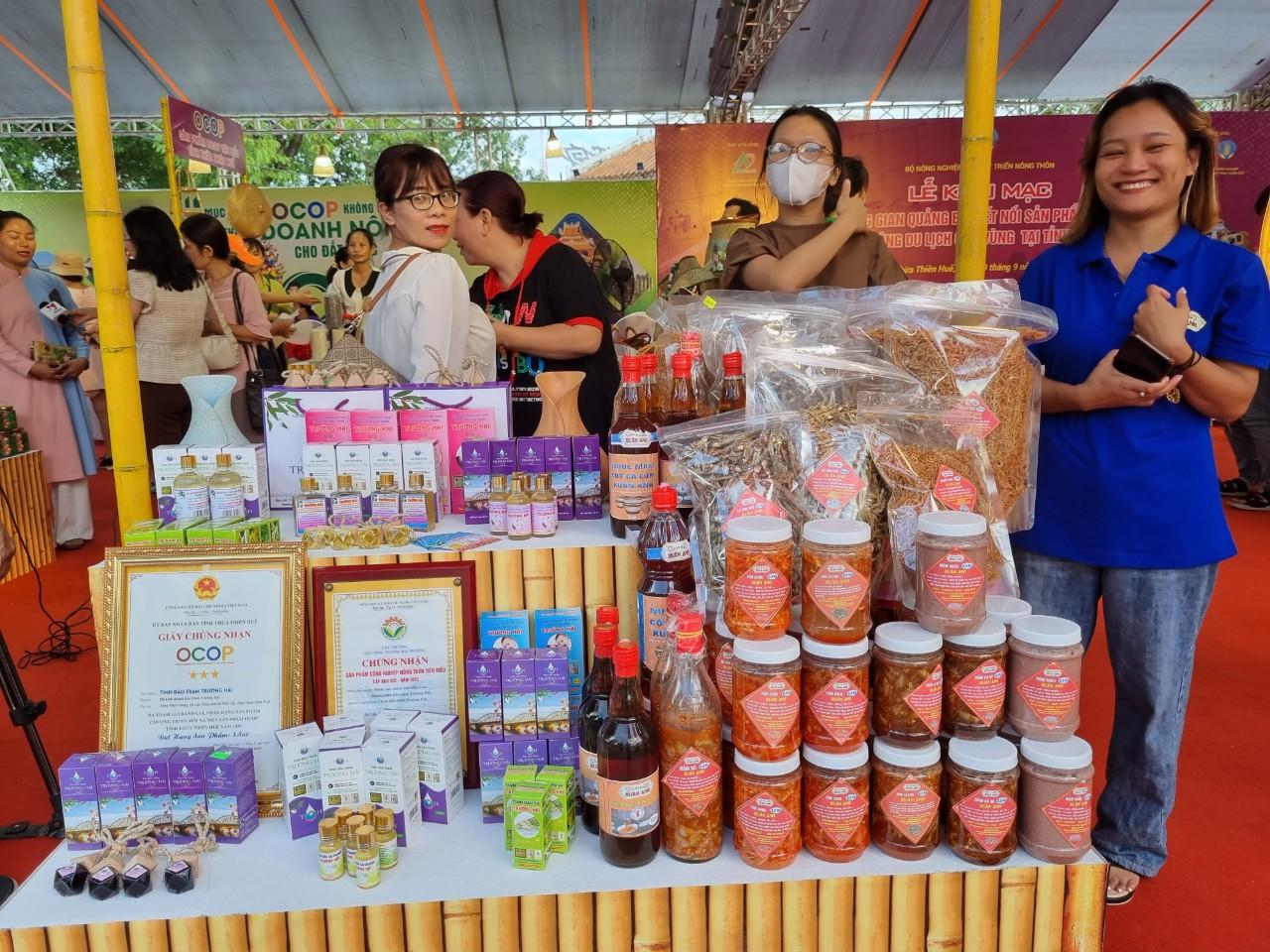
Many cooperatives and production facilities have excellent products but lack someone to take proper photographs, write compelling content, set up storefronts or manage orders. Meanwhile, Hue has approximately 10,000 students studying e-commerce and marketing who have the knowledge, technology skills and energy, but lack genuine practical environments in which to apply them. We saw this not as a problem but as an opportunity to connect two streams of supply and demand that were already very close to each other, simply waiting for someone to build the bridge.
The four-party linkage model connecting Government, Academia, Business and Digital Platform sounds comprehensive in theory, but similar models have been proposed before and gone nowhere. What gives Hi1 the confidence that this time will be different?
Mr. Kieu Tien Anh: Most four-party linkage models have failed not because of a lack of goodwill, but because they lack the actual technology infrastructure to create real connections and concrete enough real-world problems for students to work on immediately. What makes our model different is that Hi1 does not simply stand on the sidelines offering theory. We bring in a live e-commerce infrastructure with real storefronts, real orders and real customers.
Students are assigned actual projects for actual businesses with measurable outcomes. This is not a classroom simulation. It is real work that directly impacts business revenue. When a student sees the storefront they built generate its very first sale, that is motivation no textbook can ever replicate.
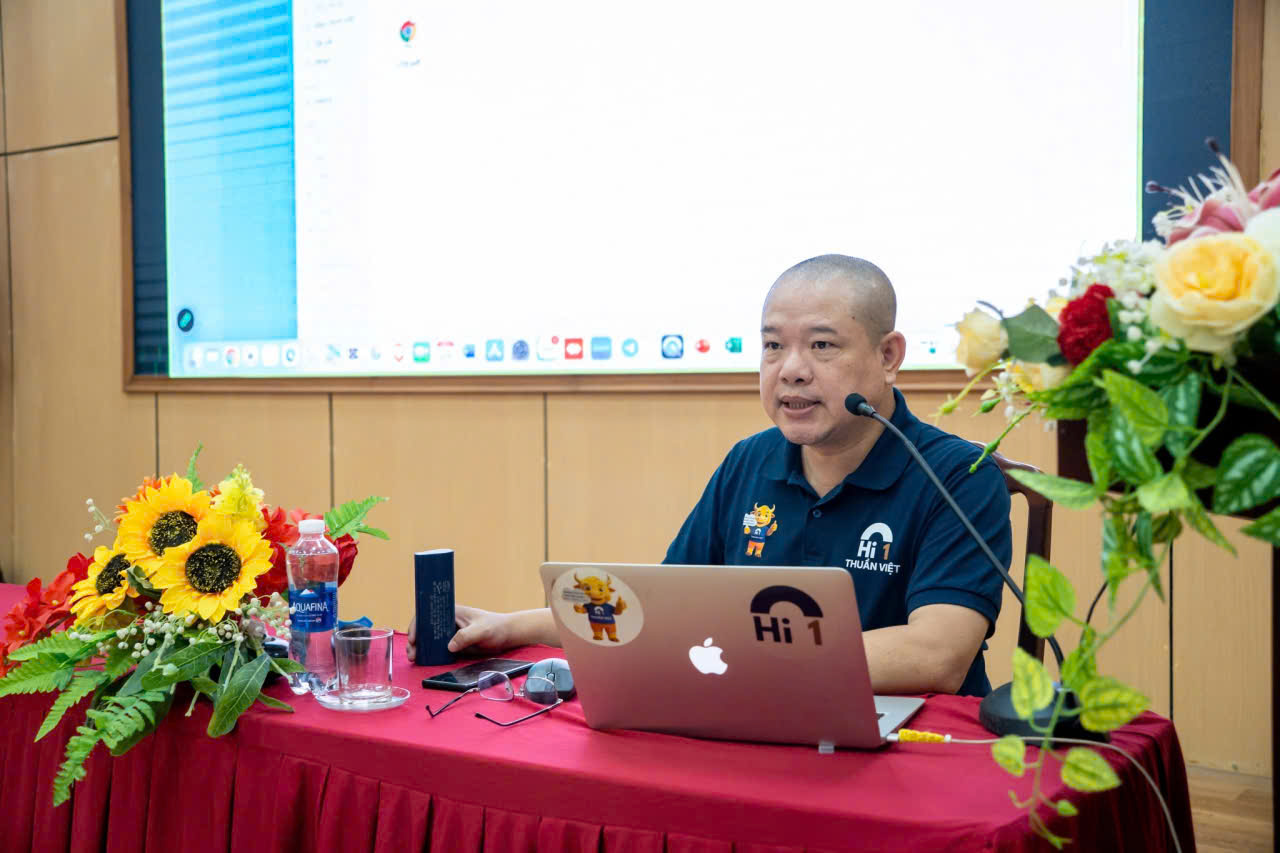
Many people will ask about the economic benefits for students participating in this model. How has Hi1 designed its benefit-sharing mechanism to ensure this is not simply unpaid internship work in a new guise?
Mr. Kieu Tien Anh: We consider this the single most important factor determining the long-term sustainability of the entire model. Hi1's philosophy is that every unit of value created must be shared fairly. Students do not participate simply to gain internship experience. They participate to build real capabilities and share in the results they generate. Our performance-based income mechanism is one of the core structures we are rolling out, where students earn income directly tied to the actual revenue of the storefronts they manage. This creates genuine economic motivation, not just a participation certificate.
More importantly, students who demonstrate outstanding performance in the program will have the opportunity to become long-term partners of Hi1 even while they are still studying.
Which product categories is Hi1 prioritizing in Hue, and what is the strategy for ensuring quality rather than simply increasing the number of storefronts?
Mr. Kieu Tien Anh: Our top priorities are officially recognized OCOP products, local specialties with clear and traceable origins, traditional craft village goods and clean agricultural produce. These are products that already have a quality foundation but lack compelling brand narratives and effective distribution channels. Hi1 does not chase storefront numbers. We chase consumer experience quality. Every storefront on Hi1 must meet our standards for imagery, product information, brand storytelling and quality commitment.
This is precisely why the role of students goes far beyond simply registering a storefront. They are building an entire information and branding system for the business, work that demands genuine skill and creative thinking.
What are Hi1's plans for scaling this model nationally, and over what timeframe?
Mr. Kieu Tien Anh: Hue is our first pilot, but our vision is to fulfill a national mission. Every province and city in Vietnam has its own distinctive products and its own universities, colleges and vocational institutions with young student cohorts. If the Hue model proves its effectiveness over two to three academic cycles, we will standardize the process and expand to other localities in partnership with the relevant Departments of Industry and Trade and educational institutions.
Our target over the next three years is to establish a presence in fifteen to twenty provinces and cities, creating a network of tens of thousands of students supporting thousands of local businesses through their digital transformation journey on the Hi1 platform. This is not a dream. It is an actionable roadmap when all four parties commit and act together.
Final question: what makes you confident that Vietnamese goods, Vietnamese products and Vietnamese businesses can genuinely compete and thrive on home ground at a time when foreign platforms dominate so much of the landscape?
Mr. Kieu Tien Anh: I believe in something very concrete, which is that Vietnamese consumers love Vietnamese products. They are proud of them and they support them wholeheartedly. And increasingly, they want to know exactly where things come from, to buy directly from the people who made them and to build lasting relationships with local brands. That trend is growing clearly, especially among younger consumers.
What Vietnamese products lack is not quality. What they lack is the art of storytelling, the ability to reach the right people at the right moment and the digital distribution infrastructure strong enough to compete. Hi1 is building exactly those three things.
And with 10,000 students in Hue, soon to be joined by tens of thousands of students across the country, all helping to tell the stories of Vietnamese goods, I believe we are creating a collective strength that no foreign platform can easily replicate, because it is rooted in the very people, culture and genuine love for Vietnamese products that makes this country what it is.
We sincerely thank Mr. Kieu Tien Anh for these deeply insightful and inspiring reflections. We wish the Hi1 model every success in Hue and look forward to seeing it extend its reach across the entire country.
By Dr. Nguyen Thuy Lan
Vietnamese version: https://doanhnghiephoinhap.vn/hi1-va-su-menh-dai-su-thuong-hieu-dua-trieu-san-pham-viet-len-san-so-voi-10000-sinh-vien-hue-144254.html
Related news
- Vietnam financial center eyes November 2026 launch
- Vietnam targets 20 internationally certified hospitals in medical tourism push
- Vietnam sets sights on double-digit growth as APEC 2027 preparations gather pace
- Vietnam businesses face global test: reform at home, earn trust abroad
- Vietnam firms warned: transform within, build trust abroad or fall behind
- VCBC Chairman Steve Bui: Incentives have run their course — Vietnam enters an institutional race to attract the next generation of FDI
- Vietnamese Journalism in the Age of AI: How can reporters survive in the profession?
- Dr. Samuel Feldberg warns of risks that could reshape the global economic order and shares strategic advice for Vietnamese businesses
- VINASME organizes training program on risk control for sustainable business development amid uncertainty
- Vietnam’s International Financial Center looks beyond tax incentives to compete
- Expert Lại Thiên Phong: Localizing digital transformation – a new growth driver for Vietnam
- Are Vietnamese firms overlooking their most valuable “gold mine”?
- Iran Conflict and the “Double Shock” to the Global and Vietnamese Economies
- After 8 years and trillions sent abroad, are uST investors caught in a risky no-exit situation?
- When Cryptocurrency leaves the "Grey Zone": How are Vietnamese investors seeking profits?
- When the tech unicorn dream is undermined by reckless fundraising structures
- From New Year messages of World Leaders to the “new rules” of the Global economy in 2026
- Connecting Leaders, Shaping the Future: Strategic Leadership Planning Meeting – CorporateConnections Hanoi A
- Sunlight - Unilever Vietnam Recognized for Outstanding Contributions to the National Initiative Supporting Women Entrepreneurs
- Deputy Prime Minister Nguyễn Chí Dũng: “The country’s major challenges weigh heavily on my mind — and we must resolve them together.
Đọc thêm Business
Vietnamese firms face Halal, logistics hurdles in UAE push
Vietnamese businesses seeking to enter the UAE and wider Middle East need stronger preparation in Halal compliance, market research and partner networks as logistics and information gaps weigh on exports, experts said.
Vietnam financial center eyes November 2026 launch
Vietnam is preparing to launch the first transactions at its International Financial Center in November 2026, with authorities reviewing eligible products and removing regulatory bottlenecks.

Vietnam targets 20 internationally certified hospitals in medical tourism push
A 2026-2030 plan would link healthcare and tourism services across eight destinations while safeguarding access for domestic patients.
Vietnam sets sights on double-digit growth as APEC 2027 preparations gather pace
Strong nine-month growth, rising investment and deeper financial integration are strengthening Vietnam’s outlook, while external risks and implementation challenges keep the policy focus firmly on resilience.
Vietnam businesses face global test: reform at home, earn trust abroad
Vietnamese companies must transform their leadership, teams and cultural outlook — then build trusted international networks — or risk losing ground to better-prepared global rivals.
Vietnam firms warned: transform within, build trust abroad or fall behind
Vietnamese companies must transform their leadership, teams and cultural outlook — then build trusted international networks — or risk losing ground to better-prepared global rivals.
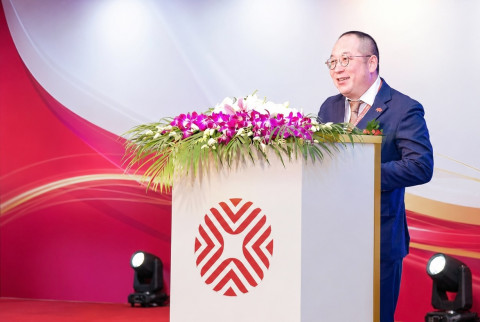
VCBC Chairman Steve Bui: Incentives have run their course — Vietnam enters an institutional race to attract the next generation of FDI
VCBC Chairman Steve Bui analyzes Vietnam's next-generation FDI strategy, stressing that the country must now compete on institutional quality, innovation, and stronger linkages between foreign and domestic enterprises.

Vietnamese Journalism in the Age of AI: How can reporters survive in the profession?
Few professions have faced a transformation as profound as journalism is experiencing today.
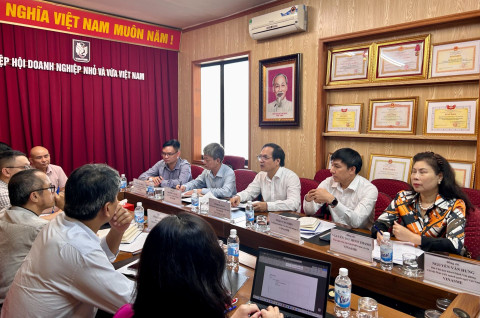
Businesses under pressure: Capital and talent shortages threaten competitiveness
The Vietnam Institute of Economics and World Affairs (VIEWA) recently held a working session with the Vietnam Association of Small and Medium Enterprises (VINASME) as part of a policy research and business support initiative.
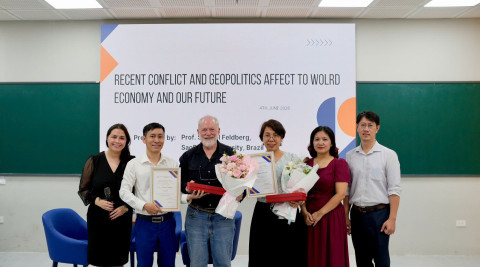
Dr. Samuel Feldberg warns of risks that could reshape the global economic order and shares strategic advice for Vietnamese businesses
Geopolitical tensions, technological transformation, trade fragmentation, and financial uncertainty are reshaping the global economy at an unprecedented pace.