

After 8 years and trillions sent abroad, are uST investors caught in a risky no-exit situation?
- Business
- 19:43 05/03/2026
DNHN - The article “When the Tech Unicorn Dream Is Undermined by Careless Capital-Raising Funds” pointed out legal risks and financial structural issues in the fundraising model related to the uST ecosystem.
The piece received significant public attention and feedback. Among many questions from investors, the biggest one now is: Should Vietnamese investors continue pouring money into the uST project of Mr. Anatoli Unitsky?
After more than eight years accompanying the technology ecosystem initiated by Mr. Anatoli Unitsky, Chairman of the uST (SkyWay) projects, a large number of Vietnamese investors are standing at a critical crossroads: Is the current fundraising model and legal structure safe enough to continue investing? With capital having flowed overseas for many years while large-scale commercialization has yet to materialize, continuing to “increase positions” and inject more funds may mean facing extremely high risks.
A notable figure: Over 500,000 Vietnamese investors and 8 years waiting for dividends
According to internally shared figures, more than 500,000 Vietnamese investors across various countries have contributed capital to the uST-related ecosystem. During online meetings via Zoom Video Communications, at times more than 2,000 investors joined to listen to the Chairman’s presentations.
Over the years, they have invested not only money but also time, effort, and trust. Many have paid their own expenses to travel abroad to visit project sites, organize seminars, build communities, conduct communications campaigns, and persuade relatives and friends to join.
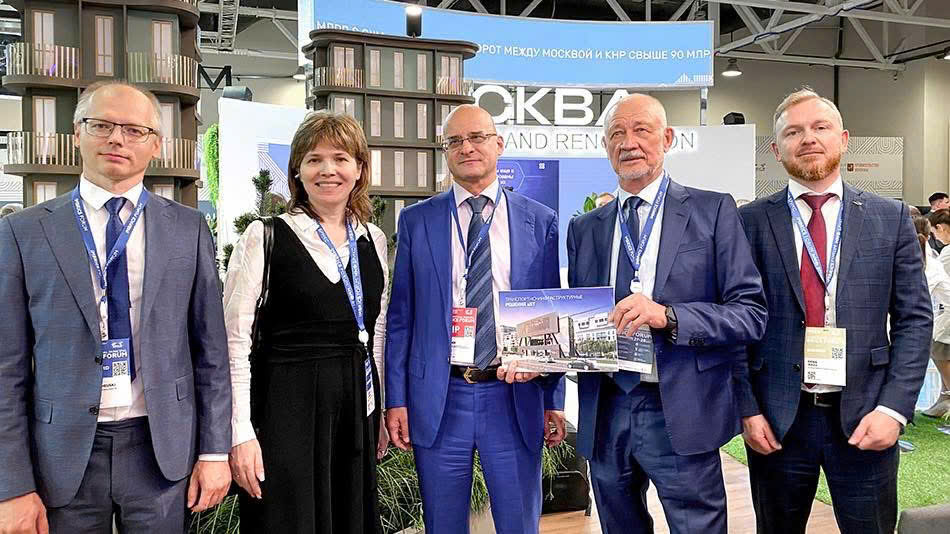
Meanwhile, actual funds from Vietnamese investors have been flowing overseas. However, most of the assets they hold are still unlisted shares, promises of an IPO, commitments of future profits, and commercialization roadmaps that remain incomplete. Notably, several “well-known figures” are reportedly concerned after investing billions of VND into the project. Many investors say that the Chairman’s company has repeatedly promised dividend payments and is making strong efforts to distribute dividends by 2026.
A flood of incentives and the psychology of greed (fomo)
Recently, after terminating cooperation with several intermediary funds, Mr. Anatoli Unitsky’s company announced it would accept direct investments with numerous preferential policies described as “special promotions from the Chairman.” Programs offering additional share allocations for early participants, referral rewards, and the reopening of flexible packages have been rolled out in quick succession. For example: a 20% bonus for lump-sum payments, 15% bonus for two-month installment contributions, and the more capital contributed, the larger the share allocation.
These special promotional programs appear to promise extraordinary returns, appealing to the “greed” of both old and new investors.
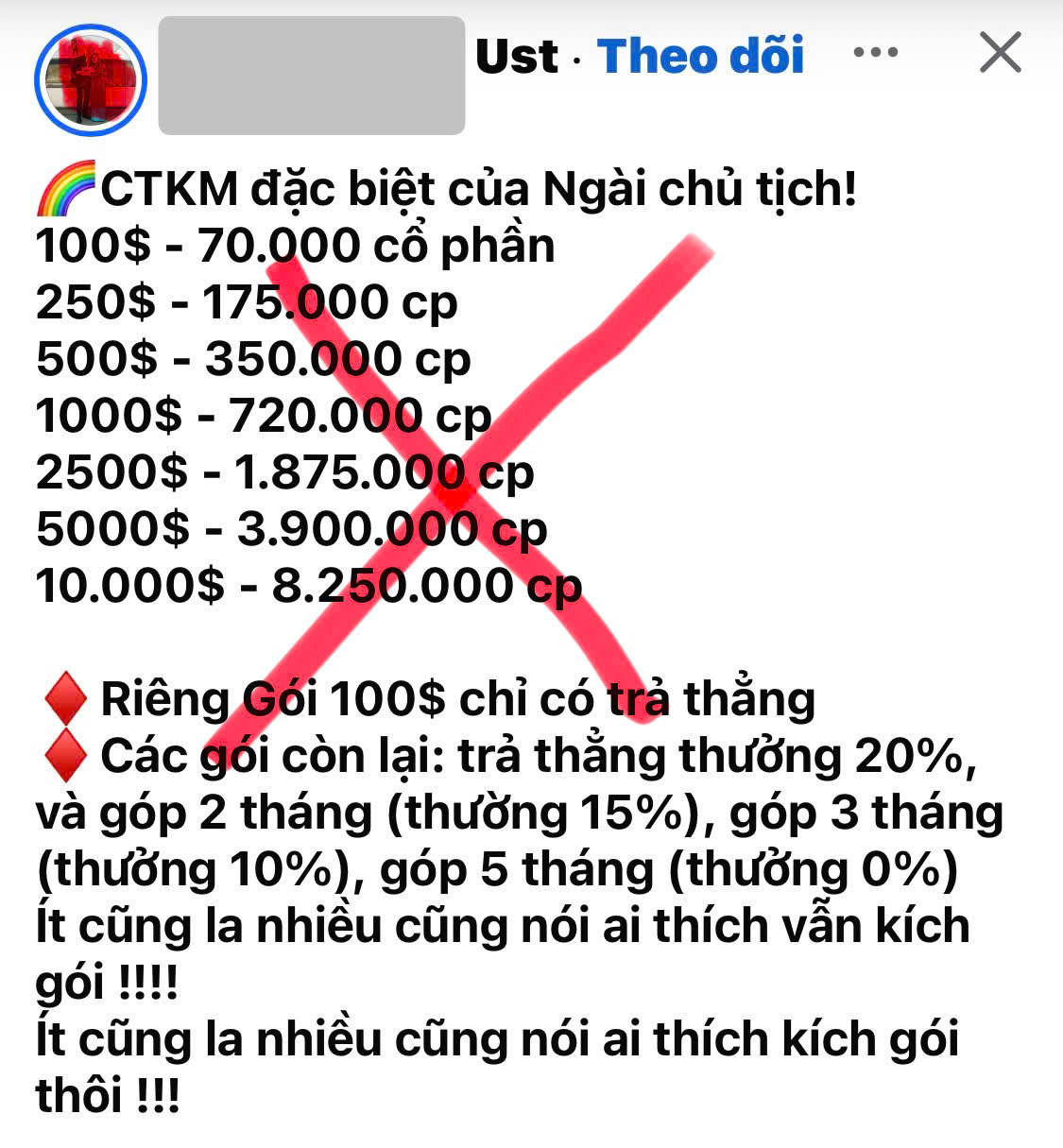
This appears to be a deliberate strategy targeting two major weaknesses of retail investors: fear of missing out (FOMO) and the desire to recover losses after years of waiting. From a marketing standpoint, this is the fastest way to stimulate demand. However, in behavioral finance, high incentives during a prolonged project phase without real cash flow often target those same powerful emotions.
Such tactics resemble psychological manipulation seen in projects with “multi-level marketing characteristics” or “phantom projects” that have previously appeared in Vietnam. Referrers reportedly receive commissions of up to 30%.
High incentives do not equate to legal safety. If legal issues arise in the host country, internal shareholder conflicts occur, or management risks emerge, how would Vietnamese investors respond without an officially registered legal entity in Vietnam, without a transparent representative office, without domestic collateral assets and if “the Chairman were to disappear”?
Legal gaps and cross-border litigation risks
According to analysis from lawyers, including representatives from ATA Law Firm, Vietnamese law currently lacks a specific regulatory framework governing cross-border equity crowdfunding involving the sale of foreign company shares to domestic retail investors. Once money is transferred abroad, legal relations fall under the jurisdiction of the host country’s laws. In case of disputes, investors must file lawsuits overseas, facing high costs and prolonged timelines.
If the company fails to IPO or goes bankrupt, common shareholders are always the last to be repaid after creditors and tax authorities. The risk of total loss is not far-fetched but a legally plausible scenario.
A troubling paradox is that while many domestic technology, infrastructure, and scientific projects lack funding, trillions of VND from individual investors have been sent abroad to projects that have yet to achieve commercialization.
When capital is “locked” in non-cash-generating assets, consequences may include declining personal liquidity, increasing financial pressure, and potential domino effects. Numerous Zoom meetings continue to encourage Vietnamese investors to mobilize more capital for Mr. Anatoli Unitsky’s project. More than 500,000 uST investors may be “riding a tiger” on a project not yet commercially authorized in many countries.
If fundraising involves misleading promotion, unguaranteed profit commitments, or participation in unauthorized distribution systems, those involved in recruitment may face civil or even criminal liability depending on the severity.
This means risks extend beyond financial loss to potential personal legal consequences. In previous illegal fundraising cases in Vietnam, many individuals initially believed they were merely “sharing an opportunity,” only to face lawsuits from friends and relatives when systems collapsed.
If the Vietnamese market is large enough to mobilize substantial capital, it should also be important enough for the enterprise to establish a corresponding legal presence in Vietnam and invest in transportation projects locally.
Dr. Bùi Đức Hiếu, a financial and economic expert, stated that a new transportation method seeking nationwide commercialization must undergo four mandatory stages: research and development, establishment of technical standards, local pilot testing, and submission of an official investment proposal for national approval.
He questioned why, despite previously announced specifications such as routes spanning dozens of kilometers, speeds of 120 km/h in urban areas and 500 km/h outside urban areas, no country has yet commissioned a fully commercial project meeting those standards. According to him, small-scale testing does not equate to passing comprehensive national safety, technical, and investment approval procedures.
In Vietnam, the process is even more complex, requiring scientific workshops, independent reviews, and appraisal by multiple ministries including the Ministry of Public Security, Ministry of Science and Technology, Ministry of Construction (following its merger with the Ministry of Transport), and the Ministry of Finance. Without completing these steps, commercialization cannot legally proceed.
It cannot be denied that the scientific team behind the project has made research efforts, nor the long-term vision of Chairman Anatoli Eduardovich Unitsky, a Belarusian-born inventor of Russian origin. He reportedly holds more than 200 patents, numerous scientific works, and has led cooperation projects with the United Nations. Unitsky is known for his vision of green transportation and futuristic concepts such as the “Space Ring.”
If implemented according to international standards and full legal compliance, the project could generate positive social value. However, such recognition does not negate concerns regarding fundraising methods, the absence of an official legal entity in Vietnam, and potential legal risks for domestic investors.
If tens of trillions “vanish,” who protects Vietnamese investors?
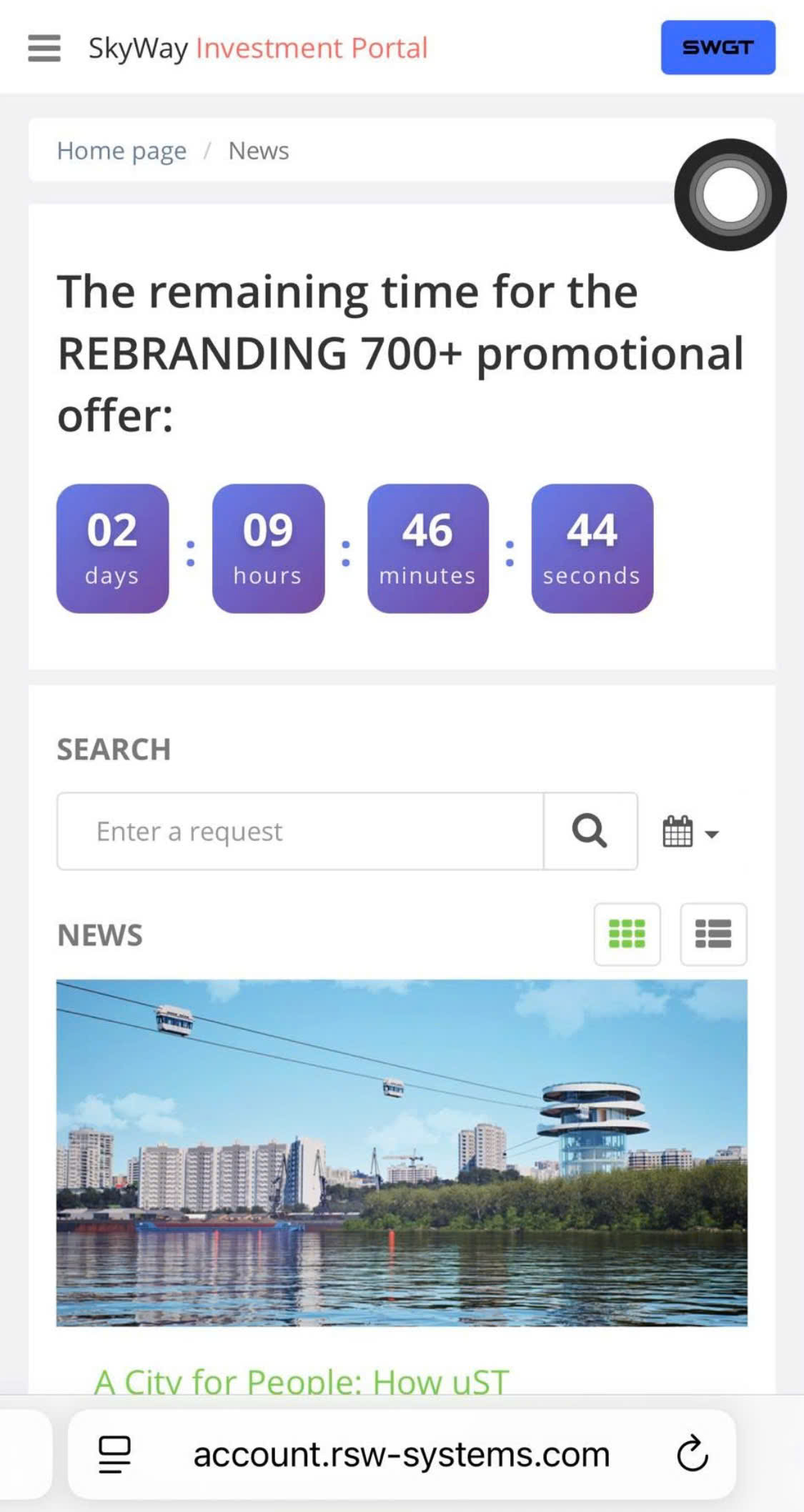
The answer appears clear: no one may protect Vietnamese investors, despite repeated warnings from Vietnamese authorities that these projects (uST, SkyWay) have changed names and platforms over time (RSW, SWC, GTI, Micron, etc.).
After eight years, instead of being drawn into promotional campaigns and “increasing positions,” investors should demand audited financial statements, a clear IPO roadmap, transparent liquidity mechanisms, and a concrete legal presence in Vietnam. Without these core elements, continuing to invest and encouraging others to contribute may leave investors “riding a tiger,” unable to move forward or retreat. Many investors reportedly cannot withdraw or reclaim their invested funds.
Have investors ever asked why an idea once promoted as “saving the planet” has yet to be commercially implemented in Europe or Vietnam?
Based on public feedback, the Ministry of Public Security is continuing to strengthen inspection and supervision of community fundraising activities to promptly detect and handle violations in accordance with the law.
It is time for investors to remain highly vigilant. Stopping does not mean rejecting a technological dream. It means reviewing legal structures, demanding transparency, requiring independent audits, and seeking concrete protection mechanisms. Vigilance today may help avoid a very costly price tomorrow.
By Mariana
Vietnamese version: https://doanhnghiephoinhap.vn/8-nam-cho-doi-hang-nghin-ty-rot-ra-nuoc-ngoai-nha-dau-tu-ust-dang-cuoi-tren-lung-ho-128656.html
Related news
Đọc thêm Business
Vietnam businesses face global test: reform at home, earn trust abroad
Vietnamese companies must transform their leadership, teams and cultural outlook — then build trusted international networks — or risk losing ground to better-prepared global rivals.
Vietnam firms warned: transform within, build trust abroad or fall behind
Vietnamese companies must transform their leadership, teams and cultural outlook — then build trusted international networks — or risk losing ground to better-prepared global rivals.
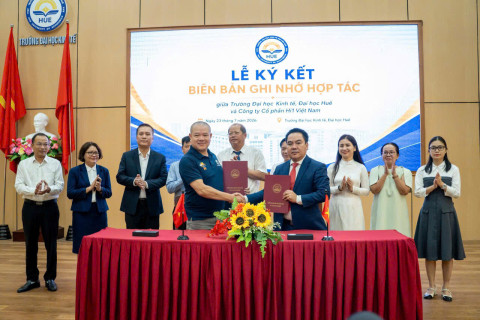
Hi1 and the digital brand ambassador mission: bringing millions of Vietnamese products onto digital platforms with 10,000 Hue students
As millions of OCOP products, local specialty goods and Vietnamese heritage brands continue to struggle to establish a meaningful presence in the digital marketplace, a groundbreaking new cooperation model has just been launched in Hue.
VCBC Chairman Steve Bui: Incentives have run their course — Vietnam enters an institutional race to attract the next generation of FDI
VCBC Chairman Steve Bui analyzes Vietnam's next-generation FDI strategy, stressing that the country must now compete on institutional quality, innovation, and stronger linkages between foreign and domestic enterprises.

Vietnamese Journalism in the Age of AI: How can reporters survive in the profession?
Few professions have faced a transformation as profound as journalism is experiencing today.
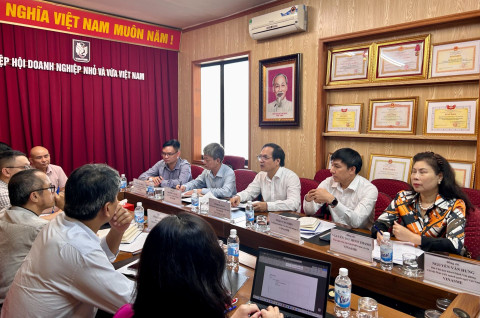
Businesses under pressure: Capital and talent shortages threaten competitiveness
The Vietnam Institute of Economics and World Affairs (VIEWA) recently held a working session with the Vietnam Association of Small and Medium Enterprises (VINASME) as part of a policy research and business support initiative.
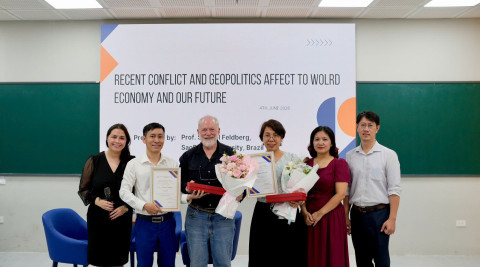
Dr. Samuel Feldberg warns of risks that could reshape the global economic order and shares strategic advice for Vietnamese businesses
Geopolitical tensions, technological transformation, trade fragmentation, and financial uncertainty are reshaping the global economy at an unprecedented pace.
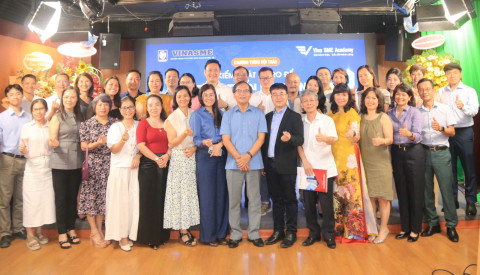
VINASME organizes training program on risk control for sustainable business development amid uncertainty
In the context of a rapidly changing economy, increasing competition, and accelerating digital transformation, risk management capability has become a critical factor determining the resilience and sustainable growth of businesses, particularly SMEs.
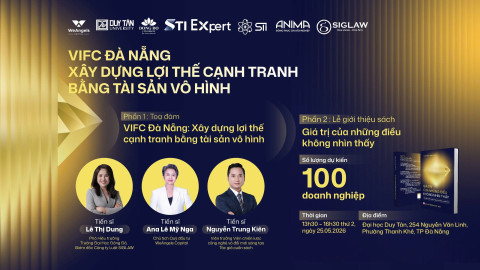
Vietnam’s International Financial Center looks beyond tax incentives to compete
What makes a city an international financial center? Is it skyscrapers, massive capital flows, or generous tax incentives?
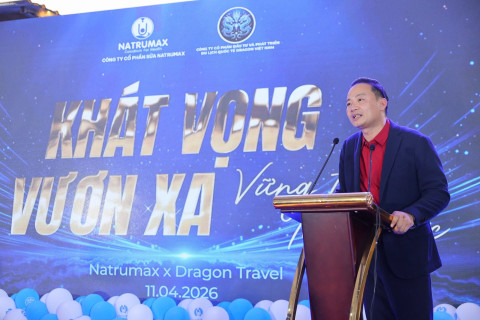
CEO Nguyễn Tất Tùng: only by anchoring in culture and preserving national identity can Vietnamese entrepreneurs reach the world
In a setting imbued with the rich cultural essence of Kinh Bắc, the 15th anniversary celebration of Dragon Travel was far more than a typical corporate event.