

Businesses under pressure: Capital and talent shortages threaten competitiveness
- Business
- 15:10 13/06/2026
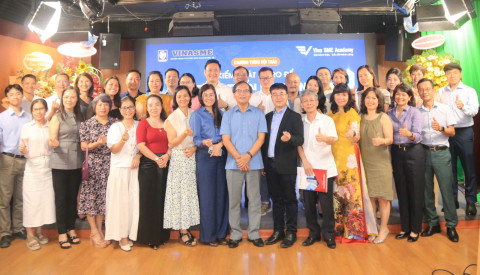
DNHN - The Vietnam Institute of Economics and World Affairs (VIEWA) recently held a working session with the Vietnam Association of Small and Medium Enterprises (VINASME) as part of a policy research and business support initiative.
The meeting was attended by representatives from businesses nationwide, who shared their experiences and recommendations from the field.
The meeting aimed to collect firsthand feedback on challenges facing enterprises and gather recommendations for practical policy solutions.
During the discussion, business representatives candidly shared the difficulties they are currently experiencing amid an increasingly volatile economic environment. Key concerns included high financing costs, limited access to credit, declining market demand, difficulties in understanding newly introduced tax and accounting regulations, growing competitive pressure, and, most notably, the shortage of high-quality human resources.
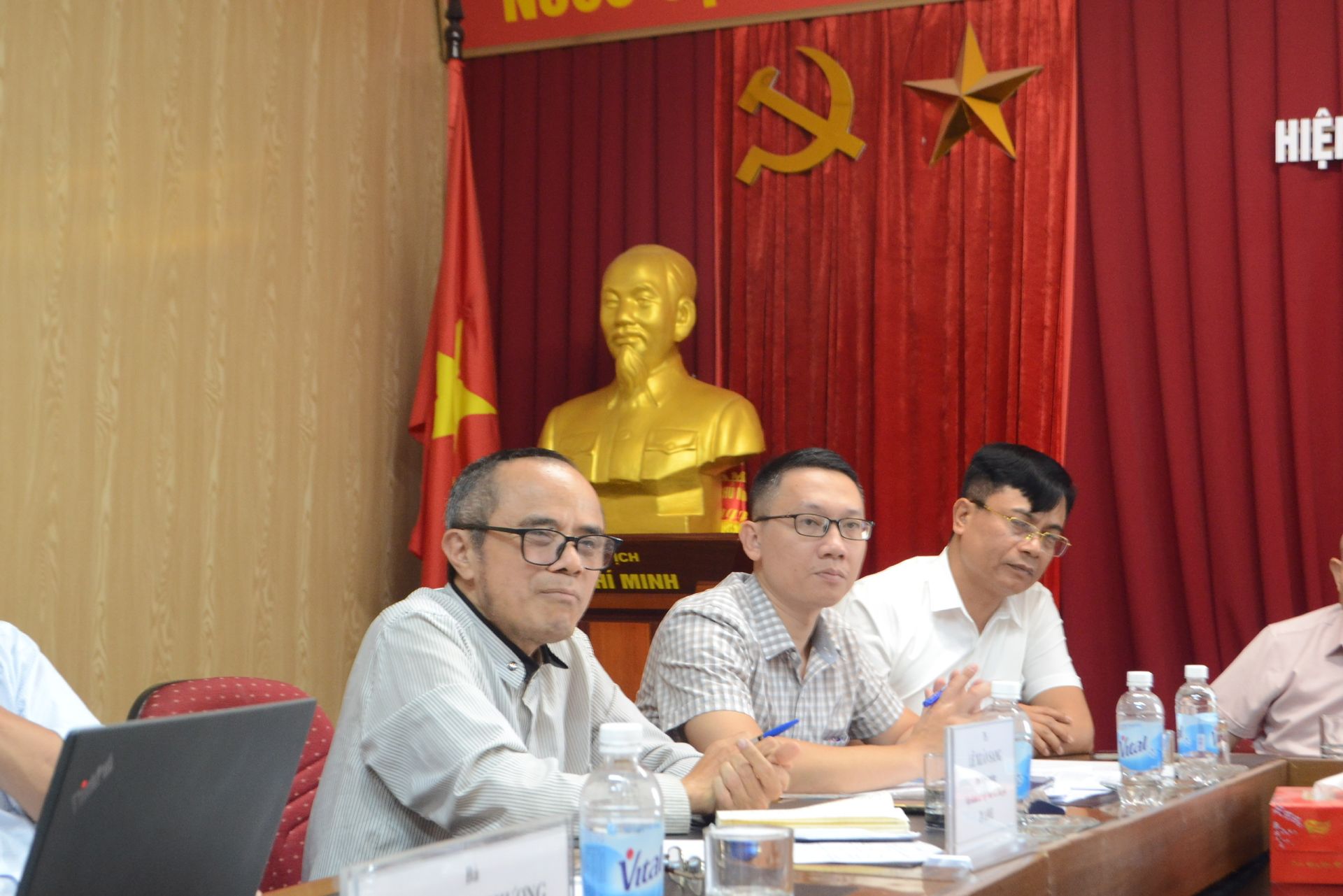
Speaking at the event, Dr. Le Xuan Sang, Vice President of the Vietnam Institute of Economics and World Affairs, highly appreciated the contributions from the business community. He noted that the collaboration between VIEWA and VINASME in conducting surveys and gathering business feedback is intended to provide an accurate picture of production and business activities, thereby conveying practical recommendations to the Government and relevant authorities.
According to Dr. Sang, this initiative is also part of an important mandate assigned by the Government to help improve the policy framework, strengthen competitiveness, and enhance resilience among small and medium-sized enterprises (SMEs), which account for approximately 98 percent of all active businesses in Vietnam.
Representatives of the Institute observed that Vietnamese enterprises have faced continuous challenges in recent years. In the aftermath of the COVID-19 pandemic, the global economy has experienced significant turbulence, characterized by persistently high interest rates, tightened financial markets, weakened consumer demand in major economies, and prolonged disruptions caused by geopolitical conflicts, trade tensions, and instability in global supply chains.
Domestically, businesses continue to struggle with rising input costs, limited access to capital, shrinking consumer markets, and an increasingly challenging business environment. SMEs have been particularly vulnerable due to their limited resources and lower resilience compared to larger enterprises.
Sharing her perspective at the meeting, Ms. Tran Thi Lan, Chief Executive Officer of Viet Han Human Resource Supply Joint Stock Company, emphasized that one of the most pressing issues facing Vietnamese enterprises today is the recruitment and retention of talented professionals.
As a leading provider of workforce solutions for domestic enterprises, foreign-invested companies, and international organizations, Ms. Lan noted that the current supply of highly qualified workers remains insufficient to meet rapidly growing market demand.
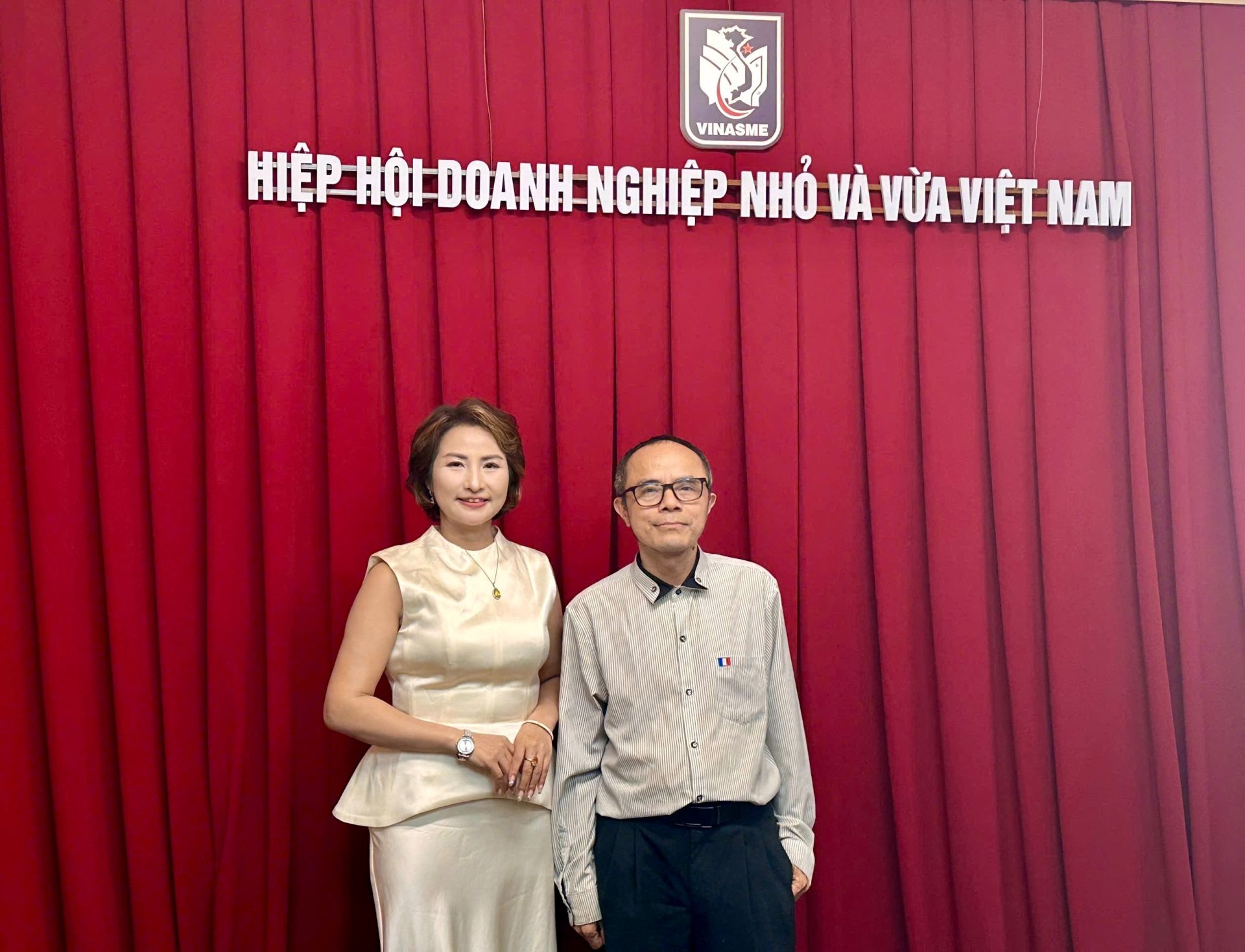
According to her, a significant gap still exists between academic training and the practical requirements of businesses. Many graduates possess academic qualifications but lack hands-on experience, adaptability to international working environments, and the competencies required by the digital economy. Vietnam is also experiencing a considerable shortage of information technology professionals capable of supporting digital transformation initiatives across enterprises.
Based on these observations, Ms. Lan proposed that the Vietnam Institute of Economics and World Affairs continue working closely with the business community and VINASME to conduct research, recommend policy mechanisms, and establish pilot cooperation models linking educational institutions, enterprises, and international labor markets.
She stressed that such initiatives would play a crucial role in improving the quality of Vietnam’s workforce and enhancing the country’s competitiveness in an increasingly integrated global economy.
Dr. Le Xuan Sang further emphasized that not all business difficulties stem from external factors. Some challenges originate from structural weaknesses within the economy itself, as well as internal limitations of enterprises. He encouraged businesses to identify and distinguish among various causes of difficulties, including external economic pressures, long-standing structural barriers, partially resolved issues that continue to affect operations, and emerging challenges that may impact businesses in the near future.
He also noted that competition and challenges are inevitable in every stage of economic development. The key lies in accurately diagnosing underlying causes and developing appropriate responses while leveraging Vietnam’s strengths in adaptability, entrepreneurial dynamism, and innovation.
Despite the challenges, Dr. Sang pointed out that Vietnam is also presented with significant opportunities through deeper international economic integration. The country's extensive network of free trade agreements (FTAs) with major global partners provides favorable conditions for businesses to expand markets, diversify partnerships, and integrate more deeply into global value chains.
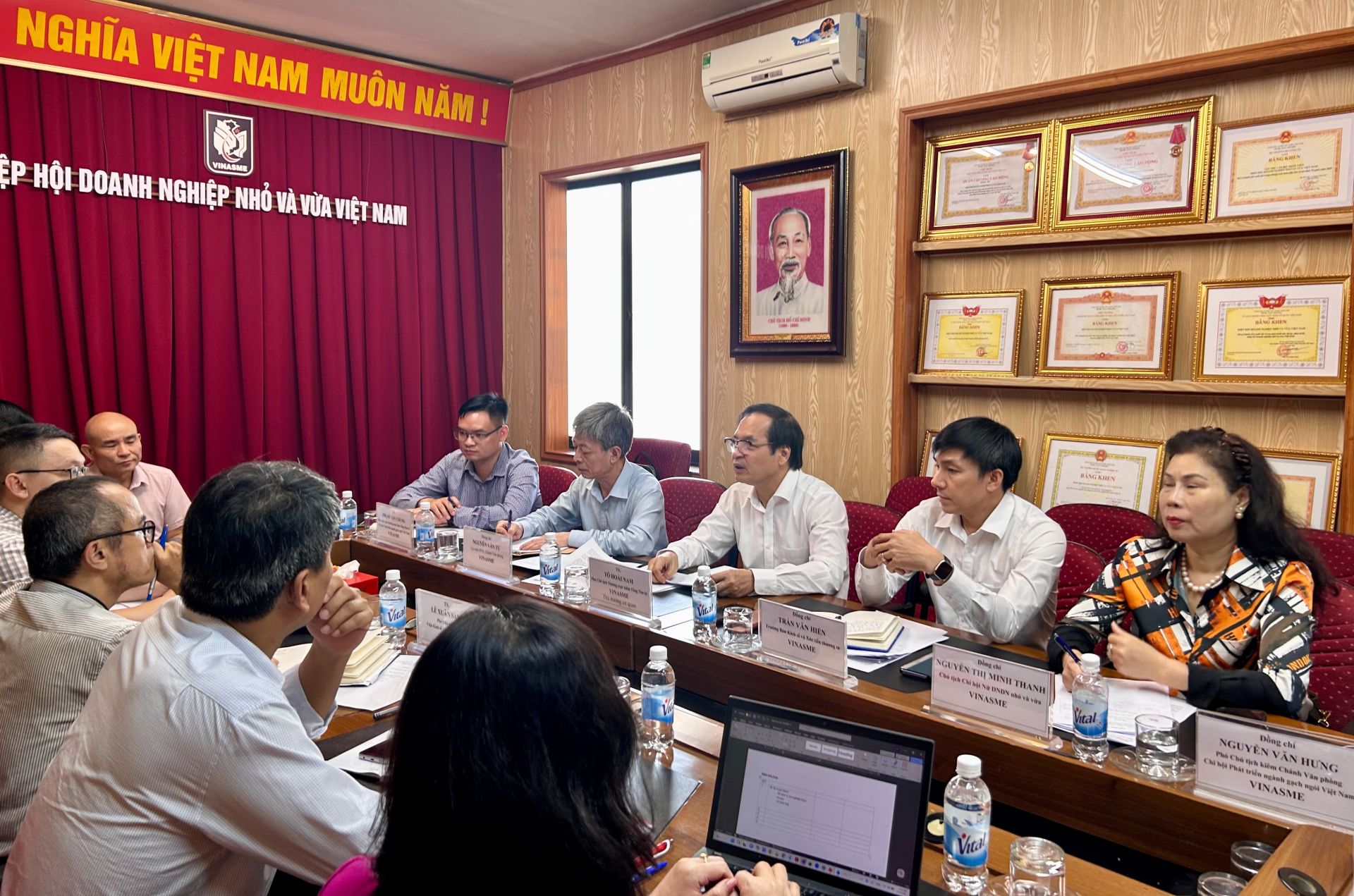
Representing VINASME, Dr. To Hoai Nam, Standing Vice Chairman and Secretary General of the Vietnam Association of Small and Medium Enterprises, reaffirmed the Association’s role as a bridge connecting the voices of the business community with policymakers and research institutions.
He called for continued open and constructive dialogue among stakeholders, with a focus on practical and actionable solutions that can contribute to policy research, strategic planning, and sustainable business development. Dr. Nam also pledged VINASME’s full support in mobilizing its nationwide business network to assist both the Institute’s research activities and the broader development of Vietnam’s enterprise sector.
The meeting was widely regarded as a meaningful policy dialogue platform, helping bring real-world business challenges closer to policymakers and research organizations. The insights collected will serve as an important foundation for developing practical policy recommendations aimed at strengthening business competitiveness and supporting sustainable growth amid an increasingly complex economic landscape.
By Dr. Nguyen Thuy Lan
Vietnamese version: https://doanhnghiephoinhap.vn/khao-sat-thuc-te-thieu-von-thieu-nhan-luc-dang-bao-mon-suc-canh-tranh-cua-doanh-nghiep-139869.html
Related news
Đọc thêm Business
Vietnam businesses face global test: reform at home, earn trust abroad
Vietnamese companies must transform their leadership, teams and cultural outlook — then build trusted international networks — or risk losing ground to better-prepared global rivals.
Vietnam firms warned: transform within, build trust abroad or fall behind
Vietnamese companies must transform their leadership, teams and cultural outlook — then build trusted international networks — or risk losing ground to better-prepared global rivals.
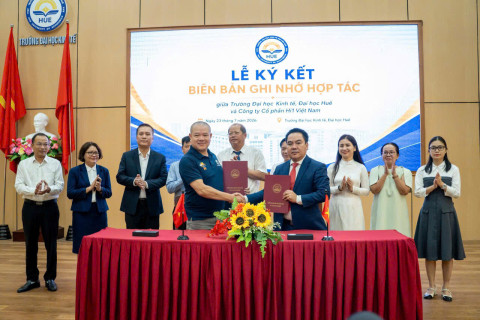
Hi1 and the digital brand ambassador mission: bringing millions of Vietnamese products onto digital platforms with 10,000 Hue students
As millions of OCOP products, local specialty goods and Vietnamese heritage brands continue to struggle to establish a meaningful presence in the digital marketplace, a groundbreaking new cooperation model has just been launched in Hue.
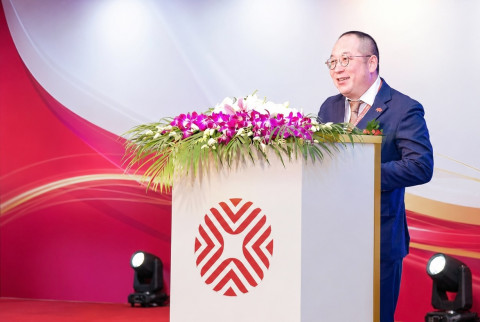
VCBC Chairman Steve Bui: Incentives have run their course — Vietnam enters an institutional race to attract the next generation of FDI
VCBC Chairman Steve Bui analyzes Vietnam's next-generation FDI strategy, stressing that the country must now compete on institutional quality, innovation, and stronger linkages between foreign and domestic enterprises.
Vietnamese Journalism in the Age of AI: How can reporters survive in the profession?
Few professions have faced a transformation as profound as journalism is experiencing today.
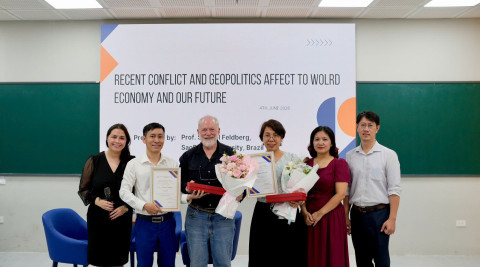
Dr. Samuel Feldberg warns of risks that could reshape the global economic order and shares strategic advice for Vietnamese businesses
Geopolitical tensions, technological transformation, trade fragmentation, and financial uncertainty are reshaping the global economy at an unprecedented pace.
VINASME organizes training program on risk control for sustainable business development amid uncertainty
In the context of a rapidly changing economy, increasing competition, and accelerating digital transformation, risk management capability has become a critical factor determining the resilience and sustainable growth of businesses, particularly SMEs.
Vietnam’s International Financial Center looks beyond tax incentives to compete
What makes a city an international financial center? Is it skyscrapers, massive capital flows, or generous tax incentives?
CEO Nguyễn Tất Tùng: only by anchoring in culture and preserving national identity can Vietnamese entrepreneurs reach the world
In a setting imbued with the rich cultural essence of Kinh Bắc, the 15th anniversary celebration of Dragon Travel was far more than a typical corporate event.
Expert Lại Thiên Phong: Localizing digital transformation – a new growth driver for Vietnam
On the morning of April 21, at the Ministry of Science and Technology, the Agency for Technology Entrepreneurship and Commercialization Development announced the 2026 innovation agenda aligned with the National Strategy for Startup and Innovation.