

Mandarin orange, mandarin ambitions
- Brand
- 10:06 15/11/2026
A farmer in the Mekong Delta shows how to sell fruit, and the experience of growing it
In the orchards of Lai Vung, in Dong Thap province, Tran Ba Chuot is not merely growing mandarins. His farm began as two hectares of fruit trees. It is now a tourist attraction, a VietGAP-certified producer and the hub of a supply chain that links more than 100 local farming households.
It is a small farm with a large lesson. Farmers in the Mekong Delta have long sold their harvest raw and taken whatever price the market offered. Increasingly the smarter ones are selling a package: an experience, a standard of quality, a brand and the reassurance of a proper supply chain.
From orchard to attraction
Mr Chuot, who was born in 1959, tends his two hectares in Tan Khanh hamlet. Roughly 90% of the land and of the harvest is given over to the “pink mandarin” (quýt hồng), with a scattering of “sugar mandarins” (quýt đường) and other fruit trees. The trees are not the whole story.
In 2018 he opened the gates to visitors. In the last two months of the year, when the fruit is at its most colourful, they come in numbers: to take photographs, row small boats, fish and buy mandarins as gifts. Mr Chuot reckons the orchard now receives around 10,000 visitors a year.
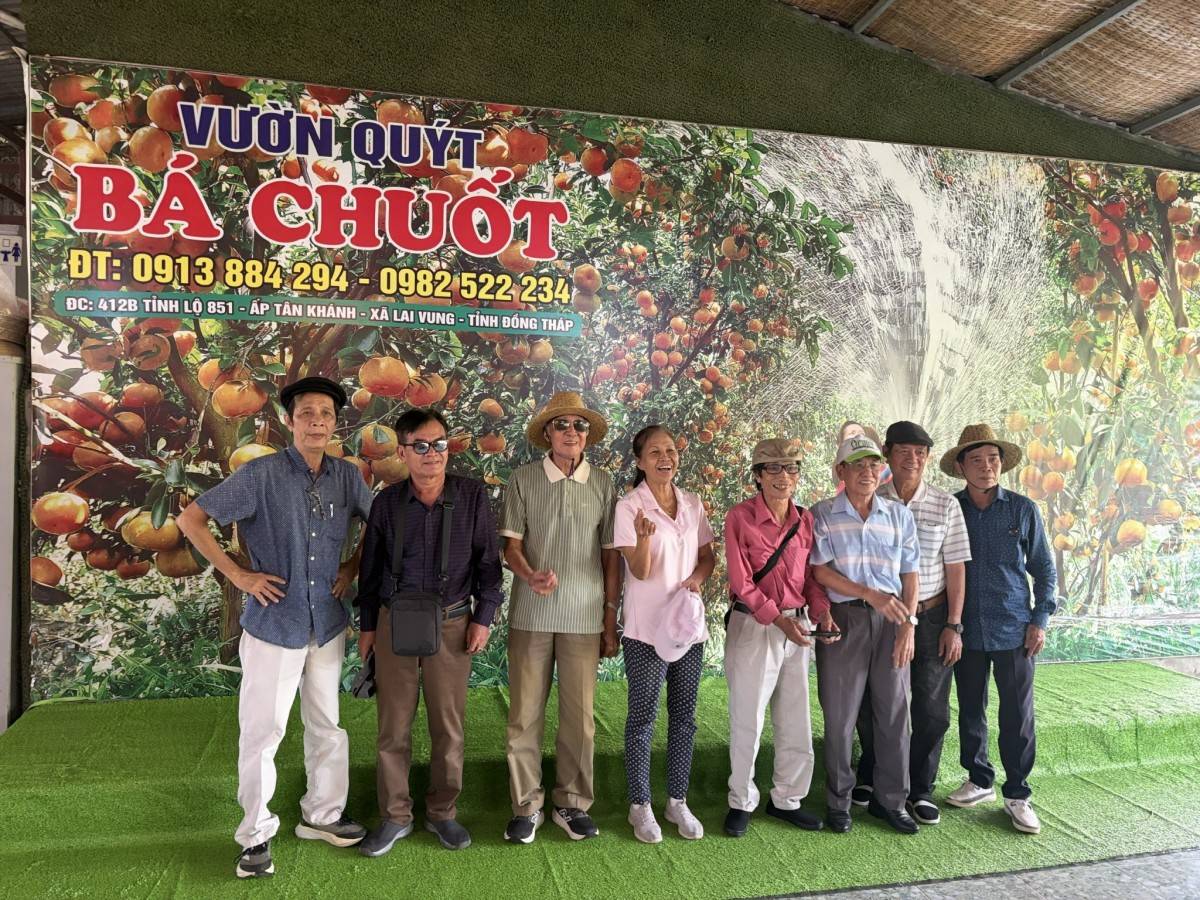
They come for more than fruit. Walking among the trees, they learn how the crop is grown and soak up the atmosphere of a traditional delta garden. The value of the produce thus exceeds the weight of the bag taken home. It has not come cheaply: Mr Chuot says he has spent 1.5bn-2bn dong on facilities, furnishings and handicrafts, not counting the years of cost of tending the orchard itself.
The idea deserves attention beyond Lai Vung. Done well, an orchard can marry farming with ecotourism and local colour. In a district where the pink mandarin is a signature product, such visits keep tourists around, burnish the regional brand and turn customers into unpaid ambassadors for local produce.
Clean fruit starts in the field
Mr Chuot overhauled his farming before he turned to tourism. In 2014 he adopted the GlobalGAP standard; after refining his production and distribution, he switched to VietGAP, Vietnam’s own good-agricultural-practice scheme.
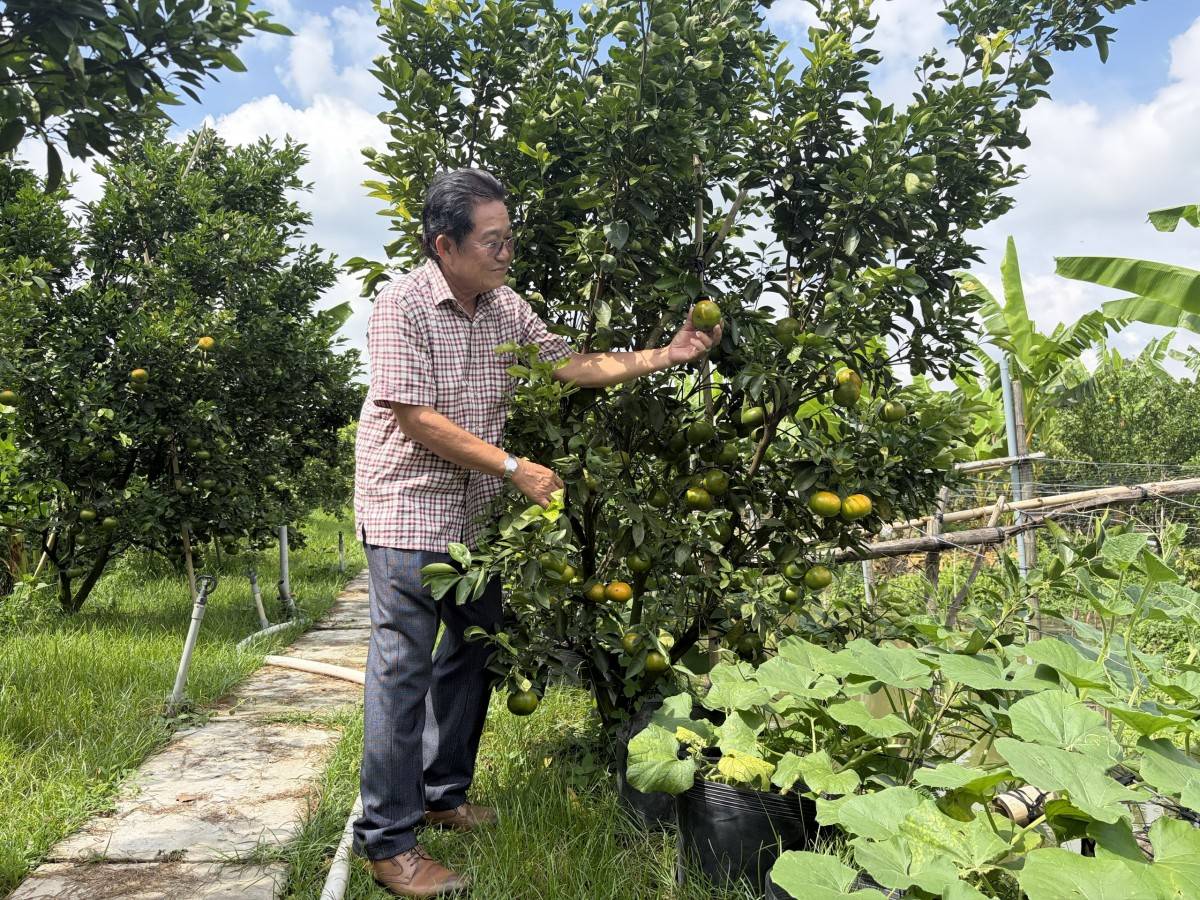
The certificate on the gate matters less, he argues, than the discipline behind it. Farmers must keep detailed records. They must know which substances are allowed and which are banned, observe pre-harvest intervals (the waiting time after spraying) and pick the right day to harvest. These rules sound modest. They are in fact what separates farming by habit from farming by system.
“We initially applied GlobalGAP, and later moved to VietGAP,” he says. The cooperative coaches farmers on everything from record-keeping to approved plant-protection products and the best moment to harvest. In modern farming, a claim to be “clean” cannot rest on the grower’s word alone. To reach big retailers, produce needs documented processes, rigorous checks and traceability.
The payoff has been tangible. Mr Chuot began supplying the VinEco chain in 2016. After changes in its distribution arrangements, his fruit now goes to WinMart and WinMart+ stores, in volumes of several hundred tonnes a year.
The lesson is that standards are worth only what the market will pay for them. A farmer who grows well but has nowhere to sell is left with compliance as a mere extra cost. A retailer that wants steady supplies needs organised growers. The supply-chain link is where the two meet.
The cooperative as go-between
If the farm is the starting point, the Vinh Thoi Clean Agricultural Products Cooperative, which Mr Chuot runs, is how the model scales. It has just five formal members but links more than 100 farming households, and its reach, he says, is not confined to one locality. Growers are taught production methods that meet VietGAP standards, and a technical team follows them through the cycle, from record-keeping and the proper use of inputs to pre-harvest intervals and the harvest itself.
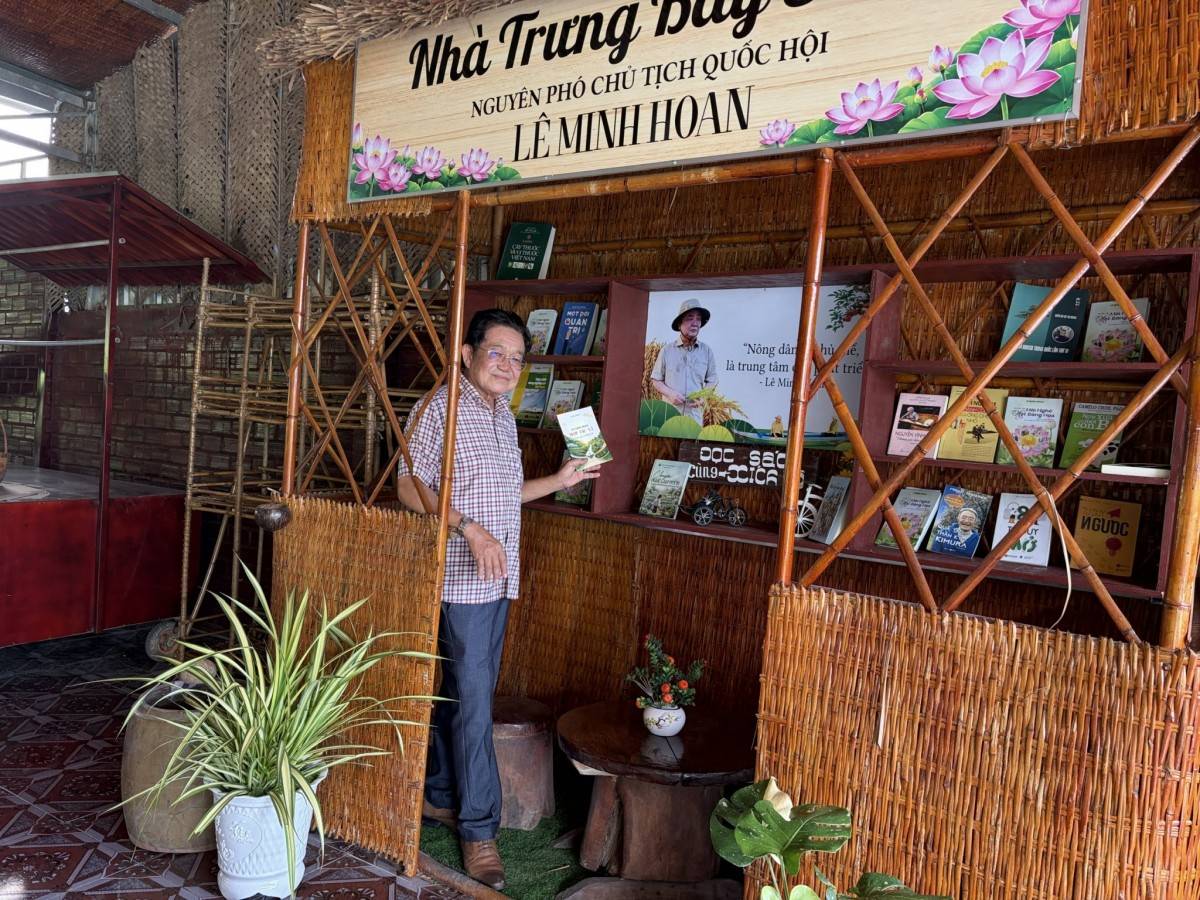
Produce that passes quality control is bought by the cooperative and supplied to retailers under formal contracts. Fruit that falls short can be sold through other channels. “This is the role the cooperative economy should aim to play,” he says.
The result in Lai Vung is an interlocking arrangement. Farmers grow to common requirements; the cooperative supplies technical help and quality control; the output flows to retailers that demand higher standards, police them strictly and support growers in return.
Mr Chuot has also learned the virtue of focus. The cooperative once handled a motley range of fruit, including oranges, mangoes and plums, but none could be supplied reliably all year round, so the list was pruned. Today the sugar mandarin is among the main products earmarked for a steady supply.
Fruit with a view
The two-hectare orchard in Lai Vung points to a new sort of farming: clean production, cooperative organisation and experiential tourism. The tourism, in turn, builds credibility and a brand, and advertises the safety of the produce.
VietGAP growing improves quality; the cooperative connects farmers to buyers; tourism adds value straight from the trees. Yet none of these is sufficient alone. Certification does not guarantee a market, and a pretty orchard does not make a destination. What counts is the cooperation of growers, the cooperative, businesses and tourism providers.
With more than 100 households in the chain, Lai Vung’s experience suggests that farmers who produce and sell alone will struggle to prosper. Once produce is organised into a supply chain, an orchard’s worth is no longer measured only in hectares or tonnes.
Business & Integration - Vietnamese version: Từ vườn quýt ở Lai Vung đến chuỗi giá trị nông sản sạch; reported by Hong Van
Related news
- Mandarin orange, mandarin ambitions
- Vietravel Airlines Reinforces Its Board as It Pushes Into Southern China
- Vietnam’s spice exports on track to hit $2.4 billion in 2026
- Vietnam ranks third in Southeast Asia in digital, AI competitiveness
- Better data key to unlocking SME credit
- VINASME calls for data-driven lending to improve SME access to credit
- Vietnam Makes It 10 Straight as Khanh Hoa Drives Golf Tourism Momentum
- Nine banks plan subsidiaries at Vietnam’s international financial center
- Ho Chi Minh City: A Story in Every Rhythm
- A democratic congress could reshape U.S. foreign policy, but President Donald Trump still holds the keys
- Vietnamese exporters face green standards hurdle in EU market
- Vietnam Police Sports Association Teams Up with 90,000-Strong Business Network to Boost Athletics
- Vietnam Foodexpo to host largest edition with over 500 businesses
- Vietnam seeks innovation-led growth amid shifting global economic landscape
- Vietnam PM proposes four initiatives to drive economic growth
- Autumn Economic Forum seeks new growth engines in AI era
- Vietnam Demands Results from Diplomacy
- HCMC pushes open innovation towards commercial gains
- Vietnam Emerges as a Standout Destination for Autumn Travel
- 2026 Autumn Economic Forum promoted on Seoul screens
Đọc thêm Brand

Vietnam Makes It 10 Straight as Khanh Hoa Drives Golf Tourism Momentum
Ten straight. Vietnam’s grip on Asia’s top golf destination award is still intact—and Khanh Hoa is helping keep that run alive.
Ho Chi Minh City: A Story in Every Rhythm
Nearly two decades in the making, “Vibrant Ho Chi Minh City – Every Experience is Lively” captures that spirit—a destination story shaped as much by everyday encounters as by its changing skyline.

Vietnam Emerges as a Standout Destination for Autumn Travel
Ranked fourth on Lonely Planet’s list of 15 leading destinations for autumn 2026, Vietnam is drawing attention for its dramatic landscapes, distinct regional cultures and vibrant cities.
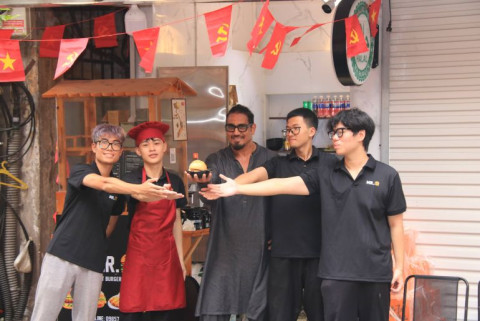
Hoàng Hải Anh and his young peers launch MR. Burgers – a Halal dining destination in Hanoi
At the age of 18, Hoàng Hải Anh (Haris) and his friends have introduced MR. Burgers, bringing the clean Halal food experience to visitors in Hanoi.

SK Innovation and HD Hyundai (South Korea) step up cooperation with Khánh Hòa Province (Vietnam)
The new cooperation and investment expansion plans of South Korea’s leading conglomerates reaffirm Khánh Hòa’s growing appeal in the eyes of international investors.

A trade fair organizer surprises by joining the ranks of top-earning listed companies
Financial results for Q2 and the first half of 2025 have been announced by numerous companies listed on the Vietnamese stock market.
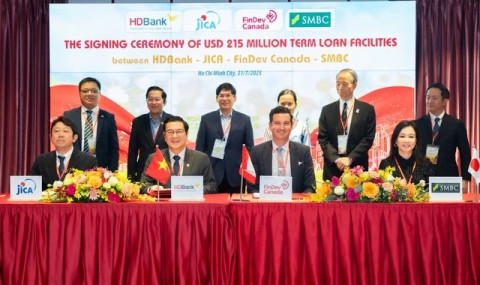
HDBank secures USD 215 million syndicated loan from JICA, SMBC, and FinDev Canada
HDBank has signed a syndicated loan agreement worth USD 215 million with three international financial institutions: Sumitomo Mitsui Banking Corporation (SMBC), FinDev Canada, and the Japan International Cooperation Agency (JICA).
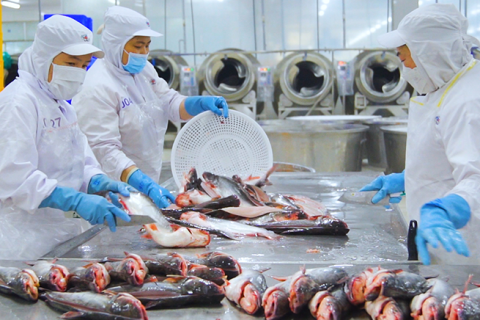
Sao Mai Group’s pangasius export segment embraces new opportunities
IDI – a member of Sao Mai Group – is building its third factory, aiming to significantly enhance export capacity to capitalize on new opportunities in the U.S. market.

The foundational mark of pioneers in renewable energy amidst an evolving legal framework
Vietnam’s renewable energy journey was marked by bold early investment at a time when the legal framework was still taking shape.

LAMORI – The Spirit of Lam Kinh in Every Breath
LAMORI is more than a luxury retreat—it is a harmonious convergence of boundless nature and sacred historical roots.