

HCMC pushes open innovation towards commercial gains
- Business
- 16:43 26/10/2026
Ho Chi Minh City is seeking to turn research and technology partnerships into measurable gains for businesses as it builds a next-generation industrial ecosystem.
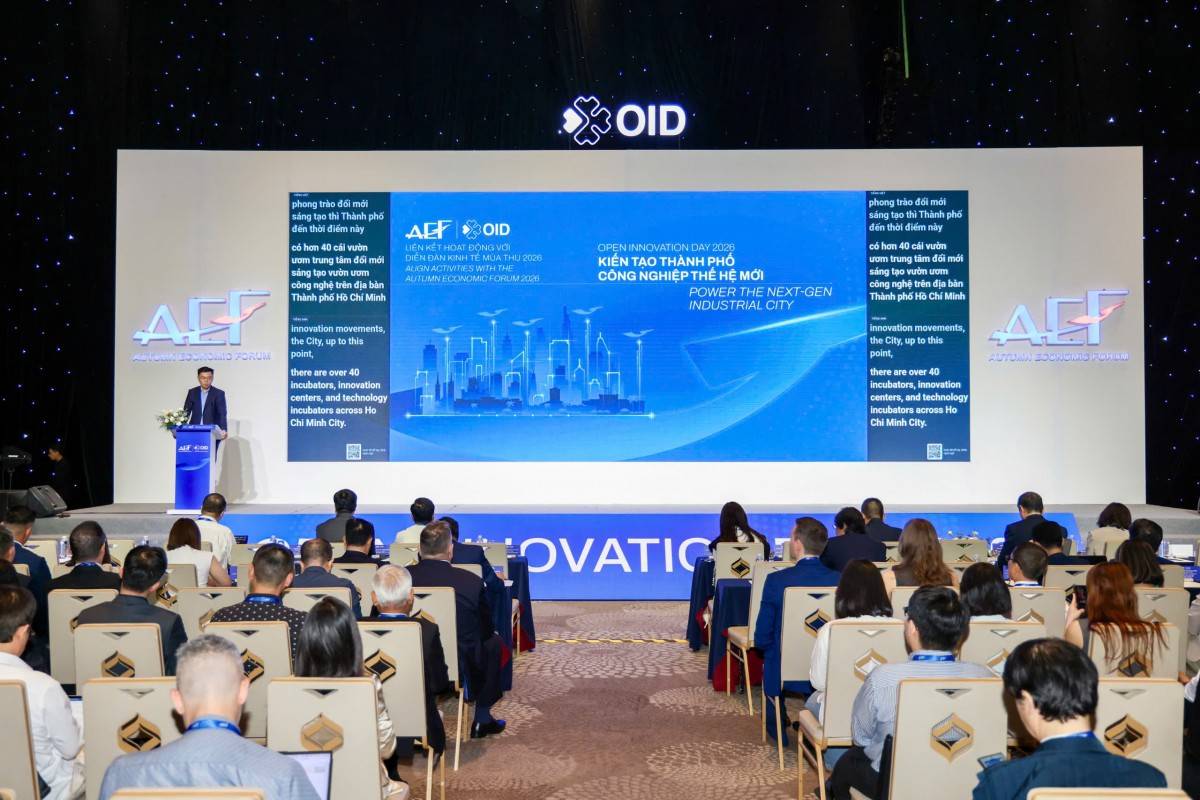
Open Innovation Day 2026 opened the Autumn Economic Forum series in Ho Chi Minh City (HCMC) on October 26, bringing together regulators, researchers, investors, and businesses to address a central challenge: turning technology connections into practical gains for production as the city expands its industrial footprint.
HCMC is promoting open innovation as a bridge between research and the needs of production and business. Data on technologies, market orders, and partnerships presented at the event point to early momentum. The harder task is converting those links into measurable competitive advantages for enterprises.
Matching tech with market demand
The event, organized by Open Innovation Hub (SoiHub), with research institutions, regulatory agencies, and technology enterprises, serves as the opening program for the 2026 Autumn Economic Forum.
Truong Minh Huy Vu, Vice-Chairman of the HCMC People's Committee, said innovation must be closely aligned with economic, industrial, and urban development. The municipality is home to more than 40 incubators, innovation centers, among other tech facilities, he noted. Yet, their number alone is not a measure of effectiveness, particularly when research struggles to reach factories and businesses must still search independently for suitable solutions.
Bui Thanh Hang, Director of SoiHub, said the hub has facilitated the development and matching of 50 domestic and international technologies, handled 15 market orders, and established 20 strategic partnerships. The figures suggest that connection efforts are producing initial results. For businesses, however, agreements are only a starting point. They need technologies that can operate at viable cost, a clear route to return on investment, and workers capable of adopting and running new systems.
Next-generation industry needs ecosystem, not only land
Following integration efforts with former provinces of Binh Duong and Ba Ria - Vung Tau, HCMC has greater room to reorganize its industrial landscape. City chiefs see Bac Tan Uyen and Chau Duc as potential locations for large-scale industrial zones integrated with energy infrastructure. Priority areas include A.I. data centers, green energy, advanced manufacturing, semiconductors, and the low-attitude economy. Each requires specialized infrastructure, skilled laborer, and collaboration between industries.
Thus, HCMC Vice-Chairman Truong Minh Huy Vu said that next-generation industry requires more than land and infrastructure. It needs an ecosystem linking between universities, institutes, businesses and inventors; without it, industrial zones may remain dependent on low- and imported technology despite advantages on roads, power and land.
Turning innovation into business value
A.I. data centers, computing, data security, green energy and drones offer clear opportunities for technology, manufacturing, and service providers, as discussed on the event.
SMEs need affordable solutions because testing, security, training, and maintenance often exceed their resources. Connection programs must set clear requirements, costs, timelines, performance standards, intellectual property rights, and responsiblities. Companies also need the skills and pilot capacity to turn promising technologies into practical applications.
Commercialization is the decisive test
SoiHub starts with practical challenges faced by businesses and local communities, then brings together experts, scientists, and technology partners to develop tailored solutions. The approach puts market first rather than asking companies to pursue technologies whose commercial value has yet to be proven.
HCMC has advantages in market scale, human capital, and business networks. Those strengths create value only when connections lead to marketable products, more efficient production, and verifiable revenue.
Following the announcements of 50 new technologies, 15 market orders, and 20 new partnerships from SoiHub, the next phase should be judged by implementation: how much productivity improves, and how many Vietnamese enterprises master their tech they adapt. These outcomes will determine whether HCMC's industrial ecosystem is maturing.
Business & Integration - Vietnamese version: TP. Hồ Chí Minh tháo điểm nghẽn đổi mới sáng tạo mở; reported by Chau Anh
Related news
- Mandarin orange, mandarin ambitions
- Vietravel Airlines Reinforces Its Board as It Pushes Into Southern China
- Vietnam’s spice exports on track to hit $2.4 billion in 2026
- Vietnam ranks third in Southeast Asia in digital, AI competitiveness
- Better data key to unlocking SME credit
- VINASME calls for data-driven lending to improve SME access to credit
- Vietnam Makes It 10 Straight as Khanh Hoa Drives Golf Tourism Momentum
- Nine banks plan subsidiaries at Vietnam’s international financial center
- Ho Chi Minh City: A Story in Every Rhythm
- A democratic congress could reshape U.S. foreign policy, but President Donald Trump still holds the keys
- Vietnamese exporters face green standards hurdle in EU market
- Vietnam Police Sports Association Teams Up with 90,000-Strong Business Network to Boost Athletics
- Vietnam Foodexpo to host largest edition with over 500 businesses
- Vietnam seeks innovation-led growth amid shifting global economic landscape
- Vietnam PM proposes four initiatives to drive economic growth
- Autumn Economic Forum seeks new growth engines in AI era
- Vietnam Demands Results from Diplomacy
- HCMC pushes open innovation towards commercial gains
- Vietnam Emerges as a Standout Destination for Autumn Travel
- 2026 Autumn Economic Forum promoted on Seoul screens
Đọc thêm Business

Vietnam’s spice exports on track to hit $2.4 billion in 2026
Exports of black pepper, cinnamon and star anise are all posting solid growth, putting Vietnam’s spice industry on course for a turnover of $2.4 billion in 2026.

Vietnam exports $120,000 worth of specialty coffee to US
A company in Vietnam's Central Highlands province of Dak Lak has exported more than 3.4 tons of specialty coffee to the U.S., marking a step toward higher-value exports as the country seeks to move beyond its traditional reliance on raw coffee beans.

Over $480 million pledged at COP31 to accelerate methane emissions reductions
More than $480 million in new climate financing has been announced at COP31 to accelerate efforts to reduce methane emissions and other powerful climate pollutants.
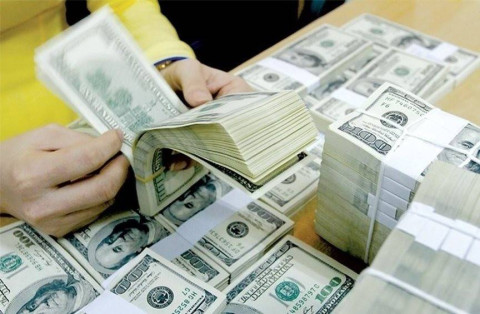
Vietnam raises foreign commercial borrowing ceiling to 10 billion USD for 2026
The Vietnamese Government has raised the ceiling for medium- and long-term foreign commercial borrowing by enterprises and credit institutions to 10 billion USD in 2026.
Better data key to unlocking SME credit
Transparent financial data and standardized credit profiles could help small and medium-sized enterprises access bank financing, while enabling lenders to assess repayment capacity without relaxing credit standards.
VINASME calls for data-driven lending to improve SME access to credit
Business capacity, cash flow and repayment ability should play a greater role in credit assessment, alongside collateral, VINASME Chairman Nguyen Van Than told a conference in Hanoi on November 11.
Nine banks plan subsidiaries at Vietnam’s international financial center
Nine Vietnamese banks are moving to set up wholly owned subsidiaries at the Vietnam International Financial Center (VIFC), but must meet licensing requirements before they can begin operations.
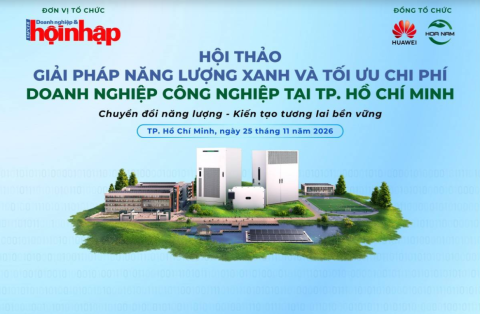
Ho Chi Minh City seminar to examine green energy and industrial cost savings
Rooftop solar, direct power purchase agreements and energy storage will be the focus of a November 25 seminar in Ho Chi Minh City, with discussions centering on investment efficiency and cost optimization for industrial enterprises.

Polish food firms seek Vietnamese partners at HCMC event
Polish food companies showcased their products and met Vietnamese buyers in HCMC on Nov. 10, seeking partnerships to expand their presence in the local market.
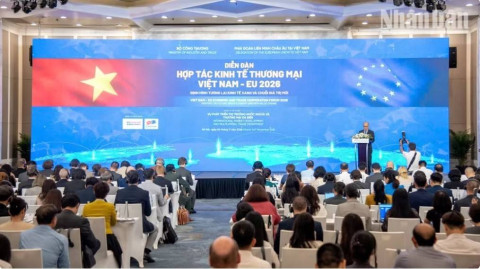
Vietnamese exporters face green standards hurdle in EU market
The Vietnam-EU Economic and Trade Cooperation Forum 2026 opened in Hanoi on Nov. 4 as bilateral ties entered a new phase. Beyond EVFTA opportunities, emissions cuts, supply chain transparency and technology transfer are becoming essential to Vietname