

Vietnam ranks third in Southeast Asia in digital, AI competitiveness
- Digital
- 08:59 12/11/2026
Vietnam ranked 37th out of 70 economies and third in Southeast Asia in its debut in the 2026 World Digital and Artificial Intelligence Competitiveness Ranking.
The country placed behind only Singapore and Malaysia among the six Southeast Asian economies assessed, according to results announced by the Ministry of Science and Technology in Hanoi on Nov. 11.
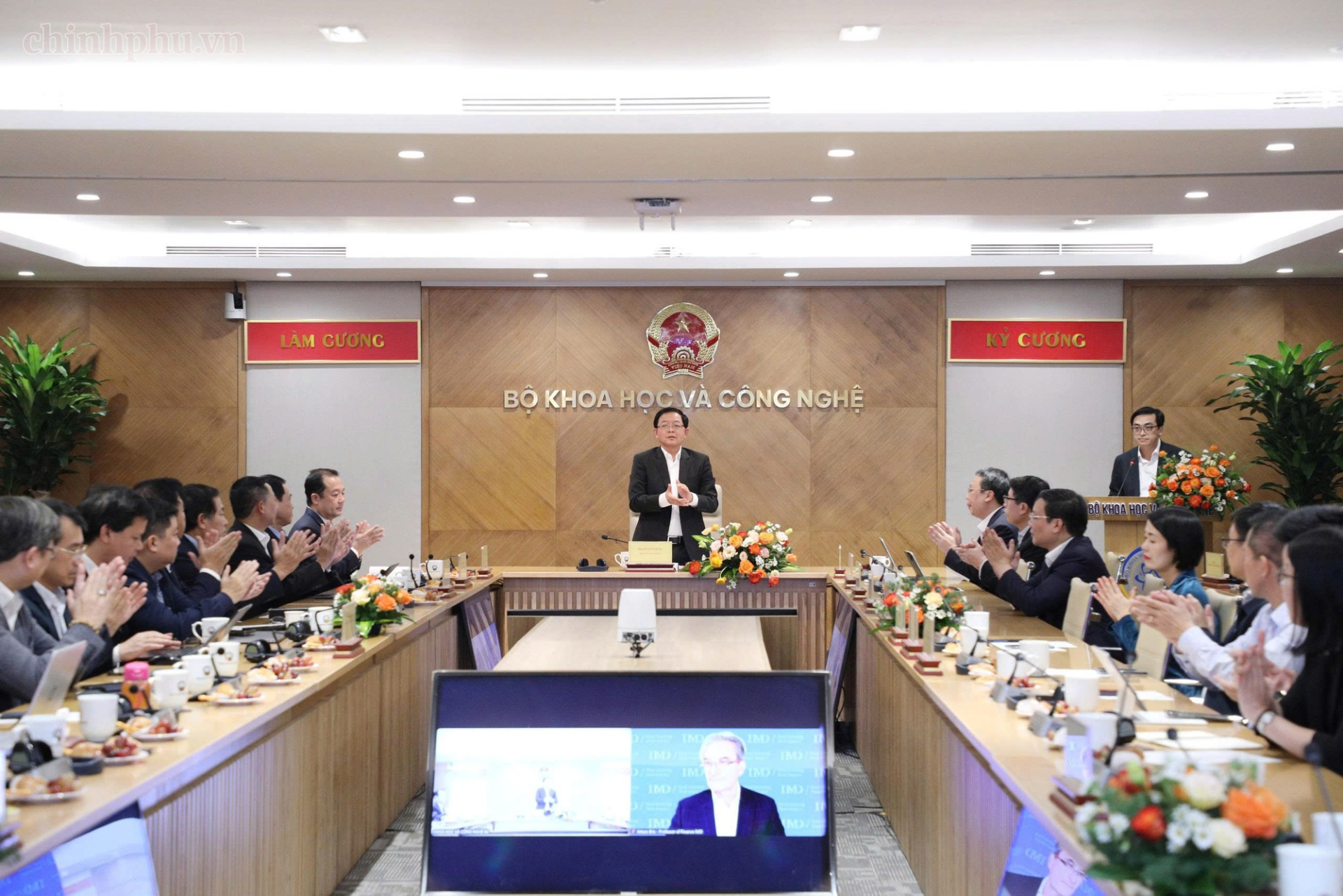
The ranking, known as WDAIR, is compiled by the Switzerland-based International Institute for Management Development (IMD).
Vietnam ranked 13th in AI application, 15th in digital and AI governance, and 21st in efficiency, outperforming its overall position in all three categories.
Deputy Prime Minister Ho Quoc Dung said the results provided an international benchmark for Vietnam to assess its capabilities and identify areas for improvement.
Dung attended the announcement alongside representatives of ministries, local authorities, research institutes, universities and businesses. Arturo Bris, director of the IMD World Competitiveness Center, joined online with other experts to explain the methodology and results.
Under Politburo Resolution No. 57-NQ/TW, issued on Dec. 22, 2024, Vietnam aims to be among Southeast Asia’s top three countries and the world’s top 50 for digital competitiveness by 2030. The resolution calls for breakthroughs in science, technology, innovation and national digital transformation.
The debut result provides a starting point for tracking progress toward those targets, though the overall ranking leaves room for improvement as competition in digital technology and AI intensifies.
Tran Minh Tan, deputy director of the Academy for Science and Technology Strategy, said participation in international rankings would help Vietnam adopt global assessment standards and improve its ability to coordinate survey data and analyze digital competitiveness.
The findings would be useful for policymaking only if applied with appropriate methods, Tan said. The academy plans to work with IMD and relevant agencies to study the results and propose measures to improve Vietnam’s competitiveness.
IMD’s World Competitiveness Center produces the ranking as part of its research into the competitiveness of economies. Its indices serve as international benchmarks.
IMD has published digital competitiveness rankings since 2017. In 2026, it expanded the assessment to include AI, evaluating 70 economies.
Alongside the Global Innovation Index, published by the World Intellectual Property Organization, WDAIR allows countries to compare their capabilities, identify strengths and weaknesses, and draw on international practices in digital technology and AI development.
The Ministry of Science and Technology plans to work with other ministries, local authorities, research institutes and businesses on measures to improve Vietnam’s digital competitiveness. Priorities include strengthening institutions, developing digital infrastructure, improving workforce skills and promoting AI adoption alongside research, development and technological capabilities.
The aim is to translate the findings into policies that improve productivity, governance and economic efficiency, rather than simply raise Vietnam’s position in the rankings.
Business & Integration - Vietnamese version: Việt Nam vào top 40 thế giới về năng lực cạnh tranh số và AI; reported by Linh Anh
Related news
- Vietnam ranks third in Southeast Asia in digital, AI competitiveness
- Better data key to unlocking SME credit
- VINASME calls for data-driven lending to improve SME access to credit
- Vietnam Makes It 10 Straight as Khanh Hoa Drives Golf Tourism Momentum
- Nine banks plan subsidiaries at Vietnam’s international financial center
- Ho Chi Minh City: A Story in Every Rhythm
- A democratic congress could reshape U.S. foreign policy, but President Donald Trump still holds the keys
- Vietnamese exporters face green standards hurdle in EU market
- Vietnam Police Sports Association Teams Up with 90,000-Strong Business Network to Boost Athletics
- Vietnam Foodexpo to host largest edition with over 500 businesses
- Vietnam seeks innovation-led growth amid shifting global economic landscape
- Vietnam PM proposes four initiatives to drive economic growth
- Autumn Economic Forum seeks new growth engines in AI era
- Vietnam Demands Results from Diplomacy
- HCMC pushes open innovation towards commercial gains
- Vietnam Emerges as a Standout Destination for Autumn Travel
- 2026 Autumn Economic Forum promoted on Seoul screens
- Margin lending drives HSC earnings as brokerage revenue tumbles
- Bepharco appoints 2002-born executive as CEO
- Vietnam financial center eyes November 2026 launch
Đọc thêm Digital
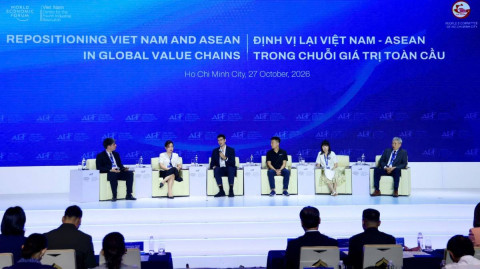
Autumn Economic Forum seeks new growth engines in AI era
HCMC is seeking new growth drivers through cooperation on talent, institutions and data as artificial intelligence transforms economies and global value chains.
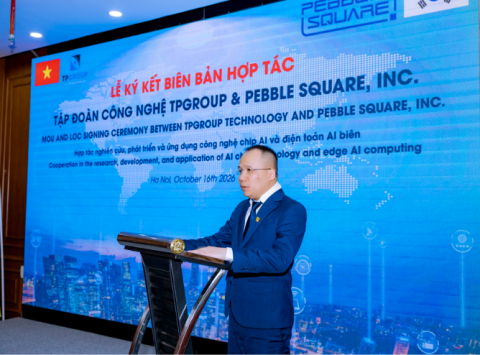
Vietnam–Korea Tech Partnership: Edge Ai marks a new step forward for Vietnamese technology
On October 16, 2026, TPGroup Technology Corporation and South Korea’s Pebble Square, Inc. signed a Memorandum of Understanding (MoU) on research, development and application of artificial intelligence (AI) chip technology and edge AI computing.

Cybersecurity talent & digital entrepreneurs: Vietnam racing to fill a 700,000-person workforce gap
The “Student Cybersecurity Festival & Final Round of the 2025 Vietnam Cybersecurity Student Competition” (CSCV 2025), held on November 15 in Hanoi, became a major focal point for the technology community.

"Digital technicians" must not be forgotten if Vietnam aims to meet its strategic goals
Vietnam is facing a serious shortage of skilled technical operators. Without retaining its “digital technicians,” the ambition to become an AI hub may never materialize.

Prime Minister: Vietnam aims to become a regional logistics hub
At the 2025 FIATA World Congress in Hanoi, Prime Minister Pham Minh Chinh emphasized logistics as one of Vietnam’s key growth drivers, highlighting major infrastructure investments and commitments to attract global investors.
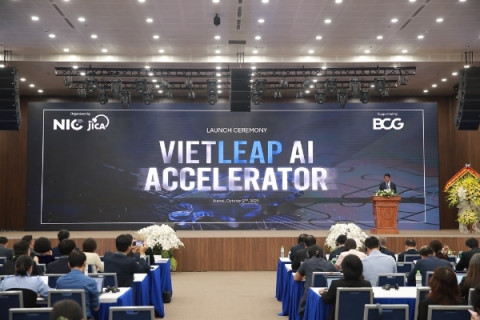
VietLeap AI Accelerator launches: A strategic springboard for Vietnam’s AI startups
The program is expected to select 10 to 15 high-growth potential AI startups with clear funding needs.

Vietnam advances cybersecurity law to boost digital sovereignty and business resilience
In a significant step towards strengthening Vietnam’s digital defenses, the National Assembly Standing Committee convened on September 23 to review the draft revised Cybersecurity Law.

Vietnam embraces digital tools to modernize public administration
Across Vietnam, local governments are turning to digital platforms, QR codes, and AI-powered assistants to modernize public services—making them faster, more transparent, and more accessible to citizens.

Administrative procedures for establishing the national technology exchange reduced to one application set
Deputy Prime Minister Nguyen Hoa Binh has just signed Decision No. 2108/QD-TTg approving the plan to streamline internal administrative procedures within the state administrative system under the management of the Ministry of Science and Technology.

Government’s plan to implement Law on Digital Technology Industry approved
The Government has approved a plan to implement the Law on Digital Technology Industry (the Law) scheduled to take effect from January 1, 2026, according to a report from the Government News.