

Vietnam Demands Results from Diplomacy
- Business
- 09:19 27/10/2026
Top leaders of Vietnam order international pledges turned into jobs, productive capacity and markets—with institutions held to account for delivery.
Vietnam's leaders are demanding that international commitments leave the diplomatic register and enter public life: as projects, productive capacity, jobs and markets that serve national development, enterprises and the population.
The political test is concrete. Integration cannot be measured by the accumulation of agreements, but by whether those agreements strengthen the economy, widen opportunity and improve the conditions in which people works and products.
Diplomacy must answer to development
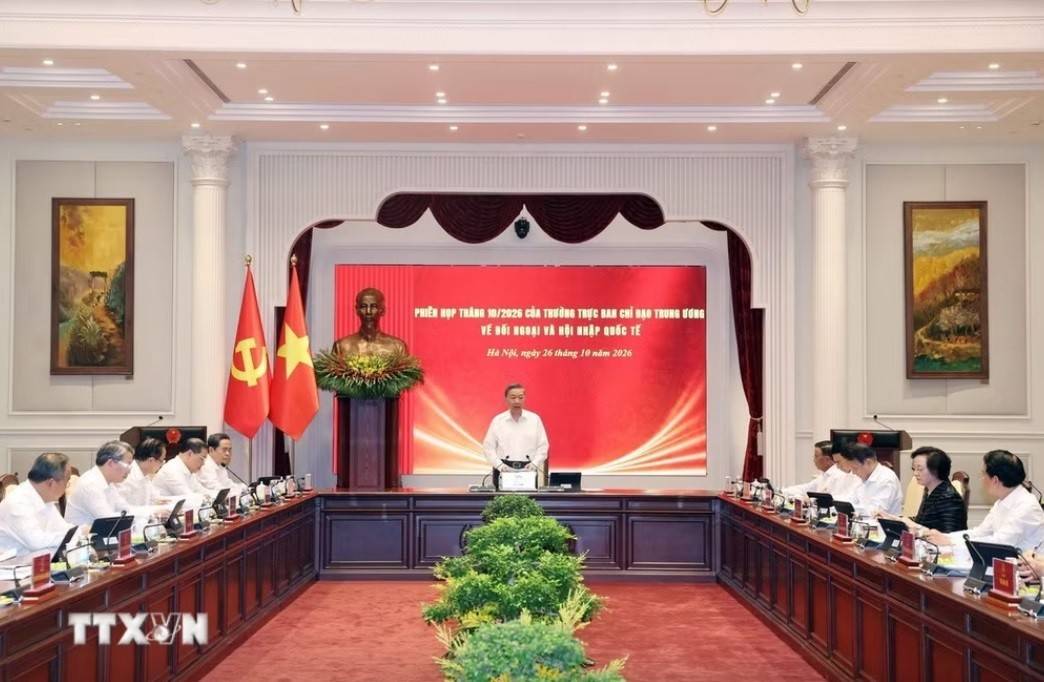
On October 26 in Hanoi, General Secretary of the Communist Party of Vietnam (CPV) and State President To Lam chaired the first meeting of the Standing Committee of the Central Steering Committee on Foreign Affairs and International Integration. Senior Party and State officials examined implementation, priorities and coordination.
General Secretary and State President To Lam said rapid global and regional change requires more rigorous advice and earlier forecasting. Foreign affairs, he stressed, must serve the 2030 Goals and the 2045 Vision while supporting reform of the growth model and strengthening national produce capacity.
The standard is therefore not the number of signatures collected, but the material result: viable projects, useful products, wider markets and lasting value retained by the country. Cooperation can give enterprises access to partners, technology, investments and markets. Yet, such openings serve the wider economy only when they are backed by feasible programs, transparent mechanisms and stronger domestic capacity.
Agreements must consequently carry priorities, timetables, and public scrutiny. Diplomatic advances have meaning only when they are converted into shared economic and social gains.
Commitments under public scrutiny
Chairman of the National Assembly of Vietnam Tran Thanh Man called for commitments that are precisely defined, quantificable and measurable. Mr. Tran Thanh Man said that parliamentary diplomacy must unite cooperation with oversight, so that declarations made at the highest level become projects with identificable outcomes.
Clear objectives, deadlines and assigned responsibilities would allow public authorities to follow trade, investment and development programs, expose blockages and correct failures of implementation. Enterprises, workers and local communities likewise need timely information, transparent conditions, and effective remedies when commitments stall.
Permanent Member of the Secretariat of the CPV Central Committee Tran Cam Tu urged greater strategic initiative, autonomy, and coordination among the country's foreign-relations channels. Mr. Tran Cam Tu's intervention placed responsibility on institutions to deepen existing gains and make their benefits concrete.
Coordination, not institutional silos
Permanent Deputy Prime Minister Pham Gia Tuc highlighted the work of three inter-sectorial groups covering politics, defence, and security; economy, science and technology; culture, society, and education-training. Mr. Tuc called on ministries and local authorities to accelerate implementation, particularly under the 2026-27 work program.
Integration crosses diplomacy, security, technology, trade, investment, education and skills. It therefore requires common political direction and join action rather than fragmented administration.
For enterprises and their employees, external openings are insufficient without domestic follow-though; named responsibilities, specific tasks, regular monitoring and institutions answerable for results.
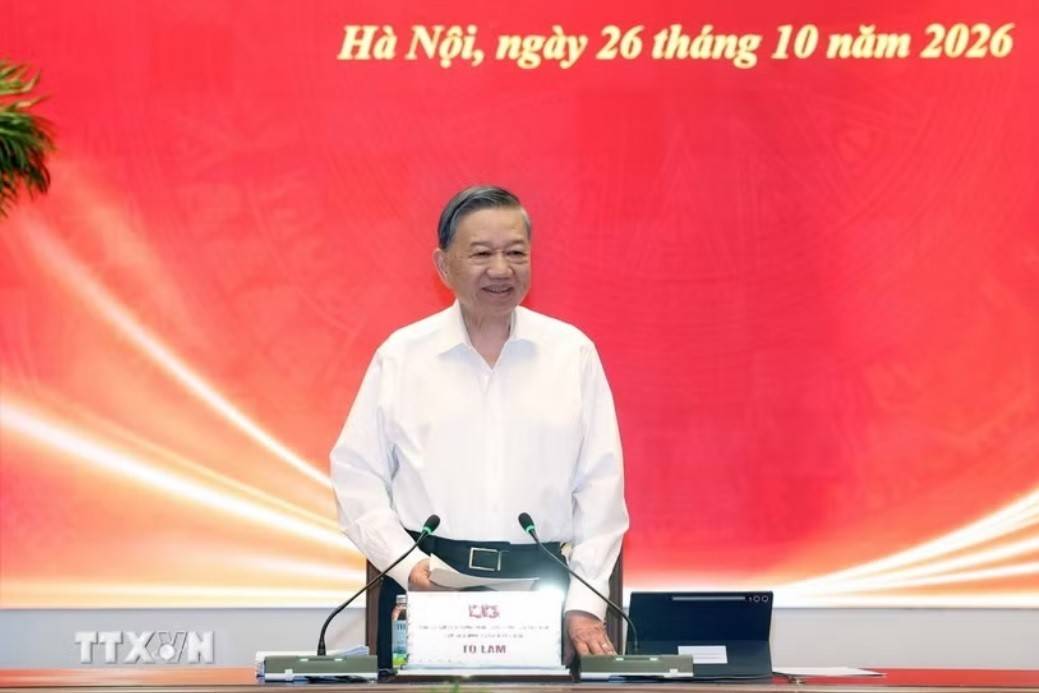
CPV General Secretary and State President To Lam instructed agencies to use the remaining months of the year to strengthen strategic forecasting, improve the effectiveness of foreign affairs and convert commitments into projects, products and markets. In closing, Mr. To Lam called for unified coordination, closer monitoring and explicit responsibility. He assigned the Ministry of Foreign Affairs to improve information-sharing and forecasting, establish projects and turn memoranda, agreements and joint declarations into specific projects and products.
Preparations for APEC Vietnam 2027 will require coordinated work across ministries, local authorities and sectors. The event must not become an end in itself, but a platform for linking international engagement to development priorities and tangible public benefit.
The central challenge remain implementation. Public authorities and businesses must identify needs together, build domestic capacity and select cooperation programs capable of producing verifiable gains for the economy and society. Judged by material results rather than ceremony, diplomacy can contribute to a renewed growth model, stronger national capacity and broader opportunity. Its success will be measured in what reaches enterprises, workers and communities - not merely in what is announced.
Business & Integration - Vietnamese version: Đối ngoại và hội nhập: Chuyển cam kết thành cơ hội cho doanh nghiệp; reported by Tran Linh
Related news
- Mandarin orange, mandarin ambitions
- Vietravel Airlines Reinforces Its Board as It Pushes Into Southern China
- Vietnam’s spice exports on track to hit $2.4 billion in 2026
- Vietnam ranks third in Southeast Asia in digital, AI competitiveness
- Better data key to unlocking SME credit
- VINASME calls for data-driven lending to improve SME access to credit
- Vietnam Makes It 10 Straight as Khanh Hoa Drives Golf Tourism Momentum
- Nine banks plan subsidiaries at Vietnam’s international financial center
- Ho Chi Minh City: A Story in Every Rhythm
- A democratic congress could reshape U.S. foreign policy, but President Donald Trump still holds the keys
- Vietnamese exporters face green standards hurdle in EU market
- Vietnam Police Sports Association Teams Up with 90,000-Strong Business Network to Boost Athletics
- Vietnam Foodexpo to host largest edition with over 500 businesses
- Vietnam seeks innovation-led growth amid shifting global economic landscape
- Vietnam PM proposes four initiatives to drive economic growth
- Autumn Economic Forum seeks new growth engines in AI era
- Vietnam Demands Results from Diplomacy
- HCMC pushes open innovation towards commercial gains
- Vietnam Emerges as a Standout Destination for Autumn Travel
- 2026 Autumn Economic Forum promoted on Seoul screens
Đọc thêm Business

Vietnam’s spice exports on track to hit $2.4 billion in 2026
Exports of black pepper, cinnamon and star anise are all posting solid growth, putting Vietnam’s spice industry on course for a turnover of $2.4 billion in 2026.

Vietnam exports $120,000 worth of specialty coffee to US
A company in Vietnam's Central Highlands province of Dak Lak has exported more than 3.4 tons of specialty coffee to the U.S., marking a step toward higher-value exports as the country seeks to move beyond its traditional reliance on raw coffee beans.
Over $480 million pledged at COP31 to accelerate methane emissions reductions
More than $480 million in new climate financing has been announced at COP31 to accelerate efforts to reduce methane emissions and other powerful climate pollutants.
Vietnam raises foreign commercial borrowing ceiling to 10 billion USD for 2026
The Vietnamese Government has raised the ceiling for medium- and long-term foreign commercial borrowing by enterprises and credit institutions to 10 billion USD in 2026.
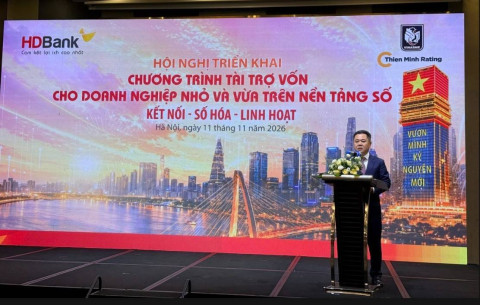
Better data key to unlocking SME credit
Transparent financial data and standardized credit profiles could help small and medium-sized enterprises access bank financing, while enabling lenders to assess repayment capacity without relaxing credit standards.
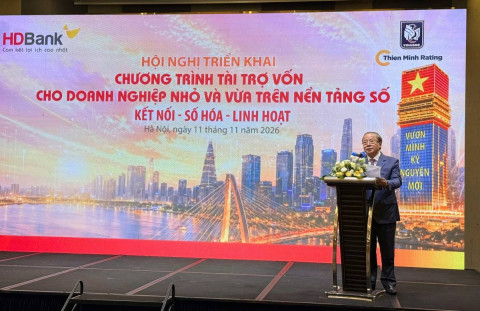
VINASME calls for data-driven lending to improve SME access to credit
Business capacity, cash flow and repayment ability should play a greater role in credit assessment, alongside collateral, VINASME Chairman Nguyen Van Than told a conference in Hanoi on November 11.
Nine banks plan subsidiaries at Vietnam’s international financial center
Nine Vietnamese banks are moving to set up wholly owned subsidiaries at the Vietnam International Financial Center (VIFC), but must meet licensing requirements before they can begin operations.
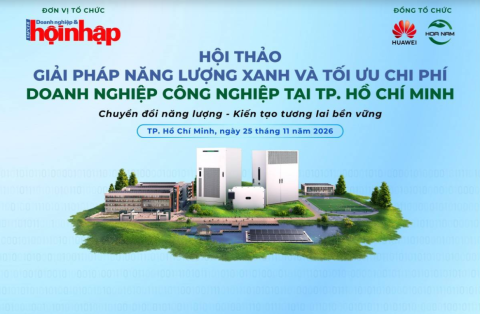
Ho Chi Minh City seminar to examine green energy and industrial cost savings
Rooftop solar, direct power purchase agreements and energy storage will be the focus of a November 25 seminar in Ho Chi Minh City, with discussions centering on investment efficiency and cost optimization for industrial enterprises.
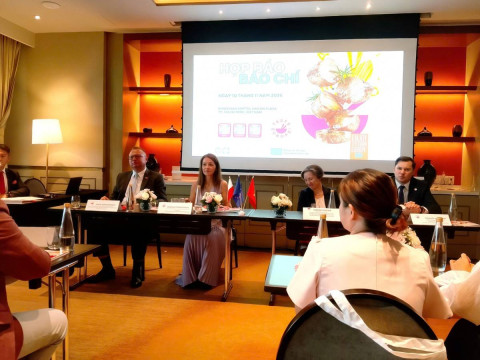
Polish food firms seek Vietnamese partners at HCMC event
Polish food companies showcased their products and met Vietnamese buyers in HCMC on Nov. 10, seeking partnerships to expand their presence in the local market.
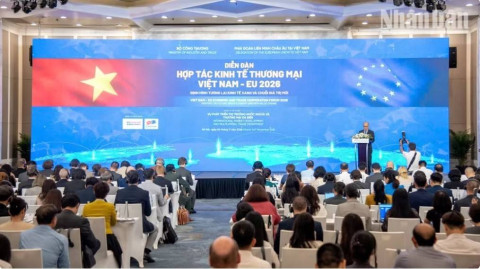
Vietnamese exporters face green standards hurdle in EU market
The Vietnam-EU Economic and Trade Cooperation Forum 2026 opened in Hanoi on Nov. 4 as bilateral ties entered a new phase. Beyond EVFTA opportunities, emissions cuts, supply chain transparency and technology transfer are becoming essential to Vietname