

Starbucks interim CEO Schultz to suspend share buyback program
- Business
- 09:48 06/04/2022
DNHN - The newly installed interim chief executive of Starbucks Howard Schultz announced Monday he will suspend a share repurchase program as the chain navigates a challenging landscape amid a growing unionization push.
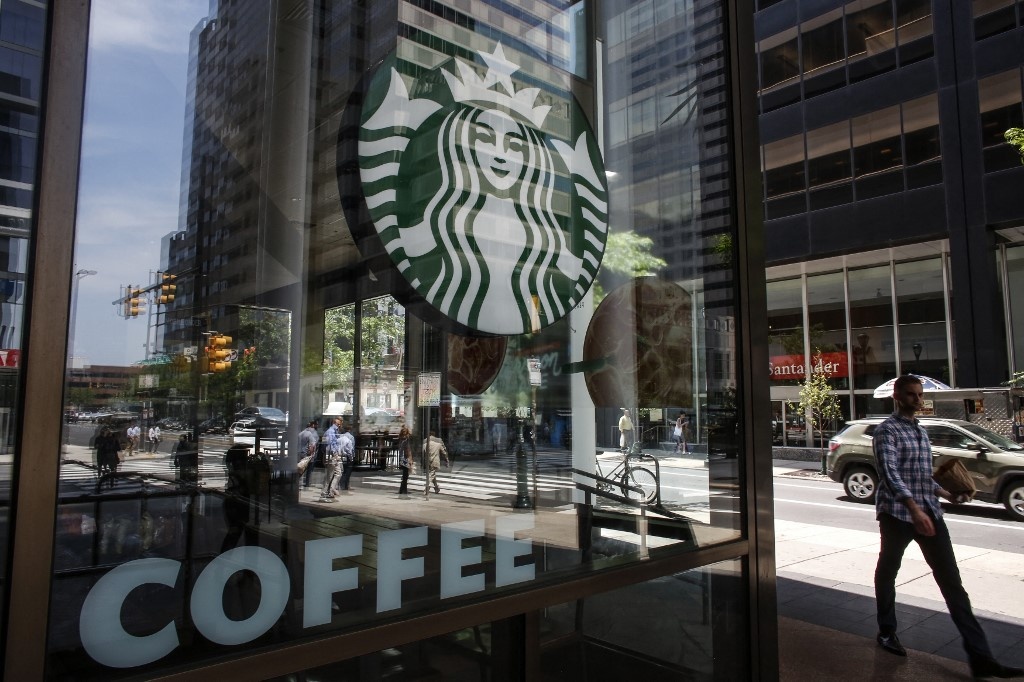
"Starting immediately, we are suspending our share repurchasing program," the 68-year-old billionaire said in a letter to employees after he resumed leadership of the coffee giant he ran two times previously.
"This decision will allow us to invest more profit into our people and our stores -- the only way to create long-term value for all stakeholders."
Shares fell sharply on the news.
Buyback programs are popular with investors and generally have an appreciative impact on share price.
But the buybacks have been a target of company critics, including union backers, who say they demonstrate the company's indifference towards workers.
Starbucks announced in October 2021 that it was reinstating its buyback program, planning $20 billion in repurchases and dividends over the next years, and as recently as last month confirmed the plans were still in place as it announced Schultz's appointment as interim CEO and the departure of Kevin Johnson from the company's helm.
Starbucks has struggled of late to manage rising costs, a tight labor market and supply chain problems caused by the ongoing Covid-19 pandemic.
- Rising union movement -
The company has largely been viewed positively by many political progressives in the United States for its stance on gay marriage, race relations, the environment and other issues.
But the firm has struggled to find an effective response to the campaign by organized labor, which picked up momentum in December when two stores in upstate New York became the first in the United States to vote to unionize.
The movement -- which has been propelled by mostly younger staff frustrated over pandemic working conditions and seeking more say -- has now spread to more than 150 stores.
"We are overworked, exhausted and still being asked to pick up the slack," workers at a Boston store wrote in a letter to Schultz that announced a unionization campaign and was posted on Twitter by Starbucks Workers United.
"You and your company have said and written a lot about how much you care about your employees, and your vision for a company that does everything through the lens of humanity," the letter read. "We simply want to help you make that vision a reality."
Labor backers have also complained of illegal firings of union supporters.
Progressive Senator Bernie Sanders, who has criticized the share buybacks, slammed "union busting" at Starbucks and last month called for the company to recognize a "unionized workforce that can collectively bargain for better wages, better benefits, safer working conditions and reliable schedules."
The coffee chain has said it respects the right of workers to organize, but that the issues raised by workers do not justify a union. It has also defended the company's right to speak out against unionization.
Schultz, who grew Starbucks from a small Seattle coffee chain into a global juggernaut in his two prior stints as chief executive, did not mention the union in his missive, but said he would work to improve employee morale.
"My first work is to spend lots of time with partners. To lift up voices," Schultz said as he called "for us each to be transparent with one another and become accountable for building the future of our company."
A note from Briefing.com described Schultz' announcement on buybacks as a "surprise" that "is leaving a bad taste in shareholders' mouths today."
Shares closed 3.7 percent lower at $88.09.
Related news
- Vietnam businesses face global test: reform at home, earn trust abroad
- Vietnam firms warned: transform within, build trust abroad or fall behind
- VCBC Chairman Steve Bui: Incentives have run their course — Vietnam enters an institutional race to attract the next generation of FDI
- Vietnamese Journalism in the Age of AI: How can reporters survive in the profession?
- Dr. Samuel Feldberg warns of risks that could reshape the global economic order and shares strategic advice for Vietnamese businesses
- VINASME organizes training program on risk control for sustainable business development amid uncertainty
- Vietnam’s International Financial Center looks beyond tax incentives to compete
- Expert Lại Thiên Phong: Localizing digital transformation – a new growth driver for Vietnam
- Are Vietnamese firms overlooking their most valuable “gold mine”?
- Iran Conflict and the “Double Shock” to the Global and Vietnamese Economies
- After 8 years and trillions sent abroad, are uST investors caught in a risky no-exit situation?
- When Cryptocurrency leaves the "Grey Zone": How are Vietnamese investors seeking profits?
- When the tech unicorn dream is undermined by reckless fundraising structures
- From New Year messages of World Leaders to the “new rules” of the Global economy in 2026
- Connecting Leaders, Shaping the Future: Strategic Leadership Planning Meeting – CorporateConnections Hanoi A
- Sunlight - Unilever Vietnam Recognized for Outstanding Contributions to the National Initiative Supporting Women Entrepreneurs
- Deputy Prime Minister Nguyễn Chí Dũng: “The country’s major challenges weigh heavily on my mind — and we must resolve them together.
- Unitsky String Technologies signs cooperation agreements with three Vietnamese partners, opening a new direction for smart mobility and sustainable development
- When artists do business – livelihood is no poetry!
- Before the D‑day to abolish flat‑rate tax: Fear of technology and costs leave small traders struggling to adapt
Đọc thêm Business
Vietnam businesses face global test: reform at home, earn trust abroad
Vietnamese companies must transform their leadership, teams and cultural outlook — then build trusted international networks — or risk losing ground to better-prepared global rivals.
Vietnam firms warned: transform within, build trust abroad or fall behind
Vietnamese companies must transform their leadership, teams and cultural outlook — then build trusted international networks — or risk losing ground to better-prepared global rivals.
Hi1 and the digital brand ambassador mission: bringing millions of Vietnamese products onto digital platforms with 10,000 Hue students
As millions of OCOP products, local specialty goods and Vietnamese heritage brands continue to struggle to establish a meaningful presence in the digital marketplace, a groundbreaking new cooperation model has just been launched in Hue.
VCBC Chairman Steve Bui: Incentives have run their course — Vietnam enters an institutional race to attract the next generation of FDI
VCBC Chairman Steve Bui analyzes Vietnam's next-generation FDI strategy, stressing that the country must now compete on institutional quality, innovation, and stronger linkages between foreign and domestic enterprises.
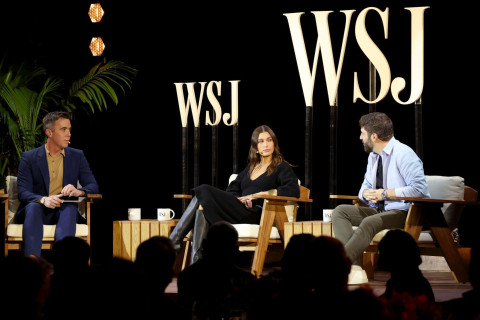
Vietnamese Journalism in the Age of AI: How can reporters survive in the profession?
Few professions have faced a transformation as profound as journalism is experiencing today.

Businesses under pressure: Capital and talent shortages threaten competitiveness
The Vietnam Institute of Economics and World Affairs (VIEWA) recently held a working session with the Vietnam Association of Small and Medium Enterprises (VINASME) as part of a policy research and business support initiative.
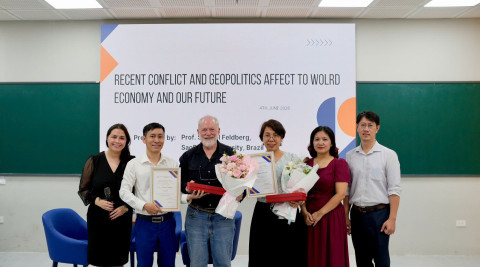
Dr. Samuel Feldberg warns of risks that could reshape the global economic order and shares strategic advice for Vietnamese businesses
Geopolitical tensions, technological transformation, trade fragmentation, and financial uncertainty are reshaping the global economy at an unprecedented pace.
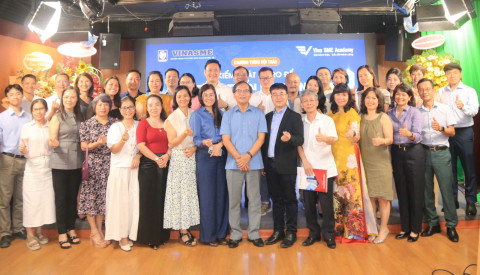
VINASME organizes training program on risk control for sustainable business development amid uncertainty
In the context of a rapidly changing economy, increasing competition, and accelerating digital transformation, risk management capability has become a critical factor determining the resilience and sustainable growth of businesses, particularly SMEs.
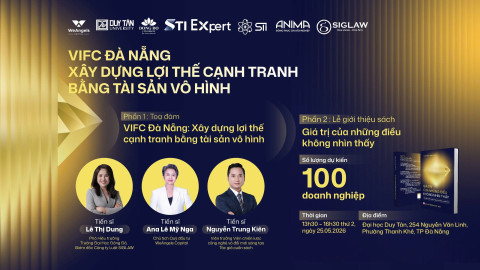
Vietnam’s International Financial Center looks beyond tax incentives to compete
What makes a city an international financial center? Is it skyscrapers, massive capital flows, or generous tax incentives?
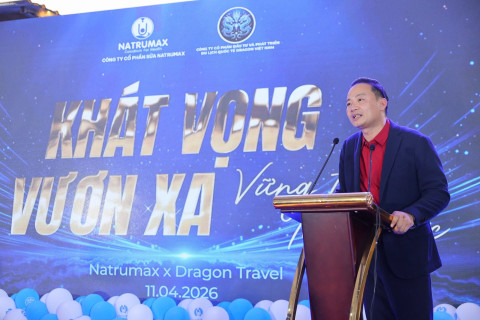
CEO Nguyễn Tất Tùng: only by anchoring in culture and preserving national identity can Vietnamese entrepreneurs reach the world
In a setting imbued with the rich cultural essence of Kinh Bắc, the 15th anniversary celebration of Dragon Travel was far more than a typical corporate event.