

Vietnam firms warned: transform within, build trust abroad or fall behind
- Business
- 18:09 04/10/2026
DNHN - Vietnamese companies must transform their leadership, teams and cultural outlook — then build trusted international networks — or risk losing ground to better-prepared global rivals.
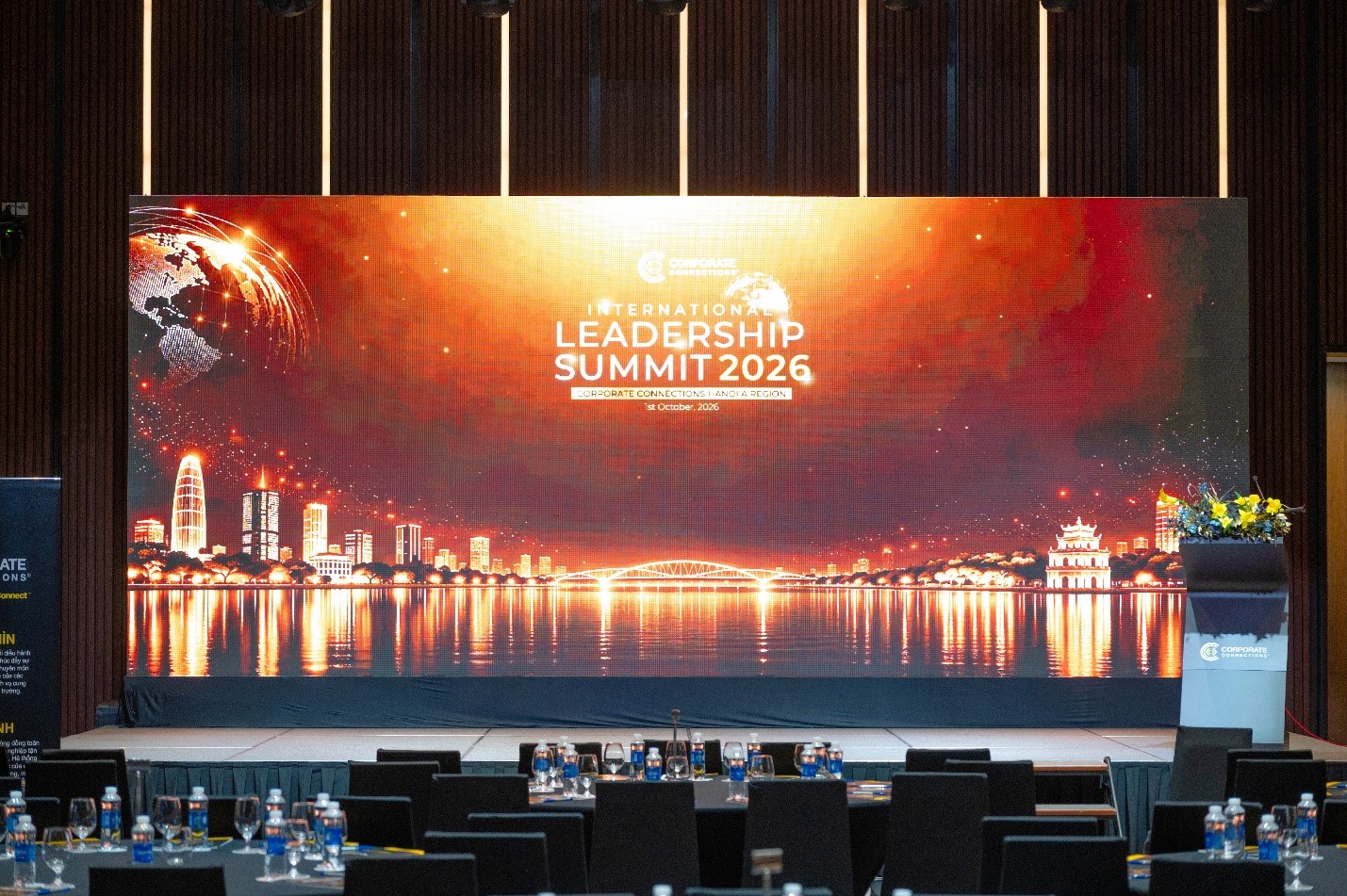
Vietnamese companies must transform their leadership, teams and cultural outlook — then build trusted international networks — or risk losing ground to better-prepared global rivals, Professor Phan Van Truong and CorporateConnections Asia-Pacific vice-president Sri Rathi have warned.
Vietnamese companies risk being left behind unless they overhaul leadership at home and build trusted networks abroad. While Professor Phan Van Truong told the International Leadership Summit Hanoi 2026 that global expansion starts with stronger leaders, capable teams and the cultural intelligence to create local value, Sri Rathi, CorporateConnections Global’s Vice President for Asia-Pacific, said that transformation must be matched by authentic, high-trust relationships — or businesses could lose a decade to better-connected rivals.
As Vietnamese firms move deeper into global value chains, competent domestic management is no longer enough. The summit’s Where Leaders Connect banner framed a wider challenge: leaders must raise their own capability before they can elevate their companies, and strengthen their teams before they can credibly expand abroad.
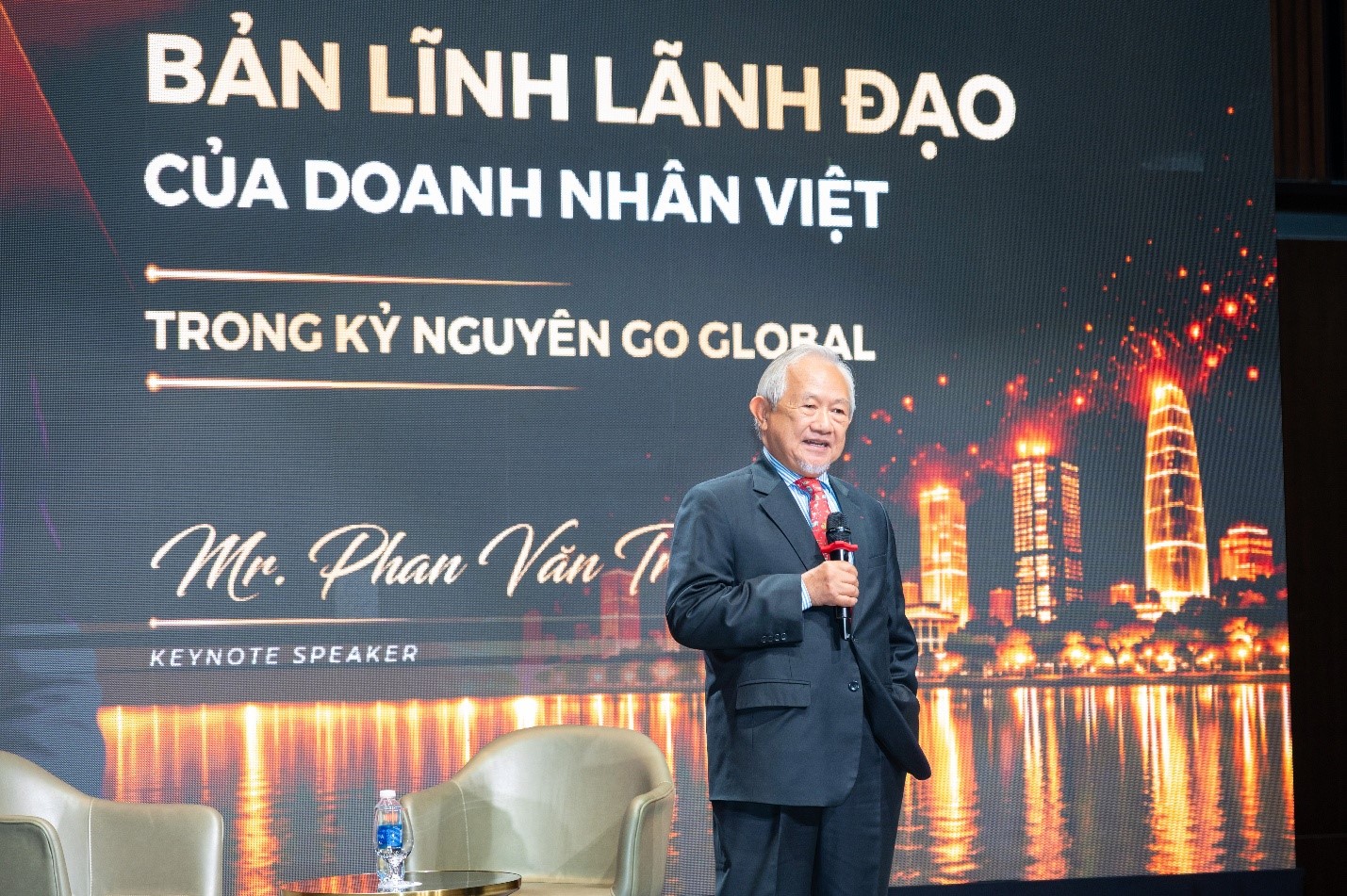
Professor Truong, a former senior executive at Alstom and Suez and former Foreign Trade Adviser to the French Government, drew on experience negotiating in 80 countries and managing staff across more than 60. His message was that the divide between “local” and “global” is less about geography than mindset and culture.
A local business, he said, can become preoccupied with protecting its own revenue and profit. A global business must look beyond its own balance sheet and embrace the idea of “building the world together”, including creating value for local people in every market it enters.
The commercial stakes are unforgiving. Professor Truong cited a $3 billion project in which a customer’s request for a one-per-cent discount would strip $30 million from the deal. Competing at that level, he argued, demands an “extremely broad” cultural foundation — an ability to understand what partners in Brazil or Mexico want, and to read the meaning behind words and gestures in markets such as Japan and China.
He also challenged conventional performance management, proposing a “team climbing” model in place of isolated KPIs. The analogy is a group bound to the same lifeline: when one member falters, the others pull, while quality and credibility remain non-negotiable. That collective discipline, he said, is what allows a company to rise towards world-class status.
Localization is the other half of the equation. A company entering India, Thailand or Indonesia must reflect the identity and habits of that market rather than simply export a Vietnamese formula. Professor Truong pointed to Apple’s detailed tailoring of the iPhone experience across countries as an example of global scale built through local relevance.
That focus on internal readiness was reinforced by Nancy Ngo Thi Bich Quyen, Regional Managing Director of CorporateConnections Hanoi A. “Going global doesn’t just start by bringing products abroad,” she said. “It starts with the mindset of the leaders, the capabilities of the team, the internal systems of the business, and the right relationships.” The summit, she added, was designed to help leaders identify what to prepare, whom to meet and which networks could carry their companies further.
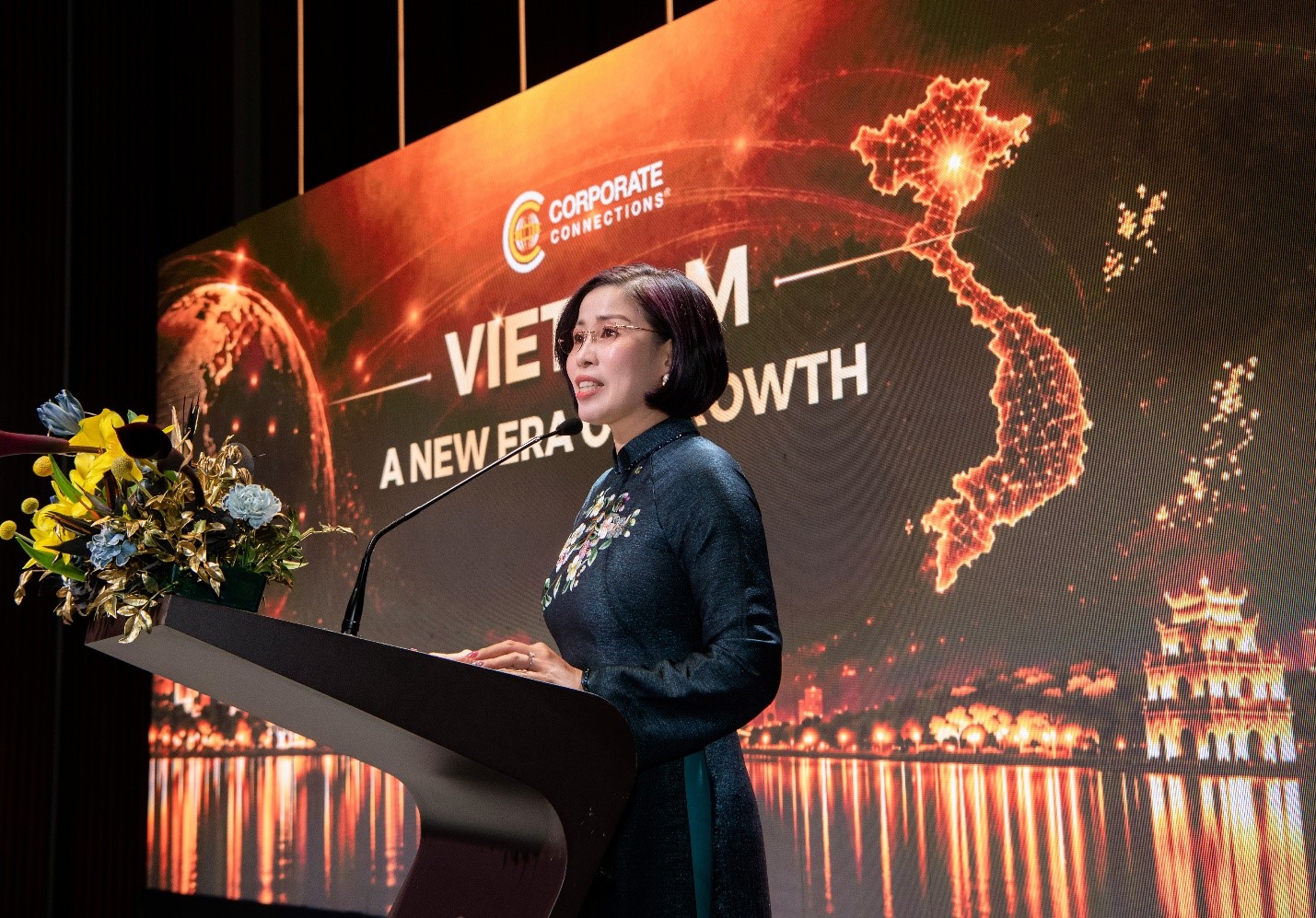
Trust turns connections into commercial reach
Sri Rathi, Vice President for Asia-Pacific at CorporateConnections Global, then shifted the discussion from organisational readiness to the relationships that make expansion possible. He said Vietnam’s links with the world — through technology, investment and access to opportunity — are stronger than at any point in the past decade. With the country emerging as one of Asia’s fastest-growing markets, business leaders are increasingly the bridge between Vietnamese enterprise and global capital, knowledge and customers.

But the networking challenge changes with the size and maturity of a company. For leaders of businesses generating more than US$5 million in revenue, Mr Rathi said the task is not merely to create opportunities but to sustain momentum, scale operations and sharpen capability. Without global connections, a company risks falling a decade behind. Networks matter because they expose leaders to shifts in markets, industry trends, strategic options and talent standards — not simply because they generate deals.
Too many leaders still treat networking events as stages for exchanging cards and displaying achievements, he said. That can shut down the very conversations that reveal common ground. Effective networking is the slower work of building trust through authenticity, transparency, openness, clear purpose, a proven track record and consistent integrity.
Mr Rathi illustrated the point with an exercise at a CorporateConnections event two weeks earlier. Asked to lead a horse, he initially focused on how the animal moved and reacted. The horse did not follow. The trainer’s explanation was simple: establish trust first. Only after Mr Rathi set aside titles and status, became fully present and built a genuine connection did the horse respond to his signals.
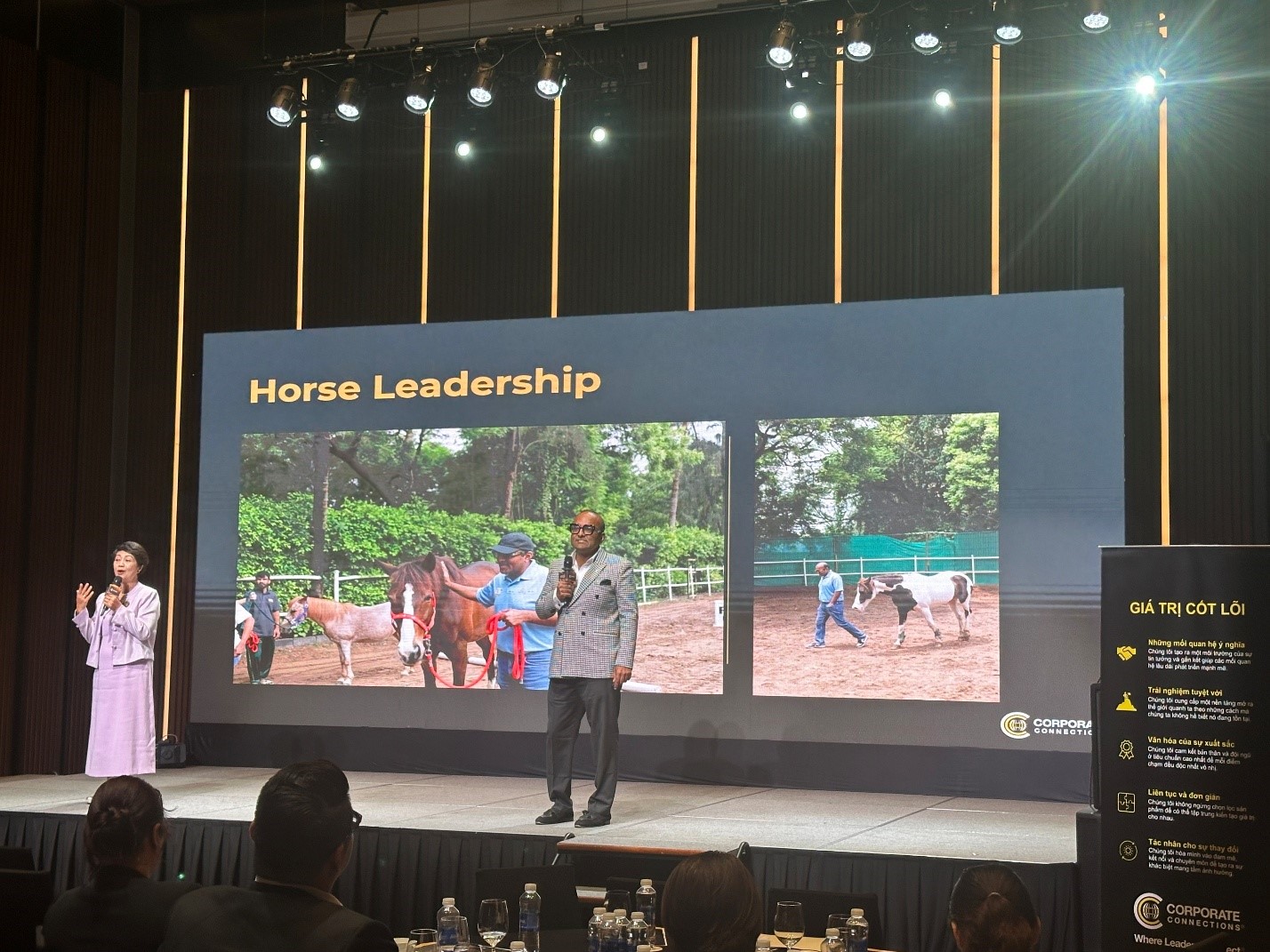
The lesson, he said, travels directly into business. Position and reputation cannot substitute for sincere engagement. For Vietnamese companies, that means choosing networks selectively — assessing the growth mindset, scale, authenticity and transparency of potential partners — so that each relationship strengthens a credible ecosystem for international expansion.
One example raised at the summit was Nathan Ho, who has taken part in CorporateConnections programs in 98 countries. Organisers said a related project raised about US$70 million to US$90 million over four years — a case they presented as evidence that trust, when sustained, can become a resource with substantial commercial reach.
Mr Ho was also cited for a giving mindset: opening doors for other members before seeking a return. Mr Rathi said durable relationships begin with sincerity and shared purpose. A narrow focus on immediate financial gain can make partners cautious; deep insight, quality products and consistent action are what gradually remove doubt and create long-term appeal.
From global ambition to operating discipline
For large companies and SMEs alike, the practical prescription was to invest time and resources in relationships with partners of comparable ambition and substance. Over the next 90 days, leaders were urged to strengthen their global presence through products and values, cultivate a mindset of contribution and community support, develop leadership capability, and follow through on opportunities already opened. The measure of a network is not the number of names collected, but the quality of interaction with each partner.
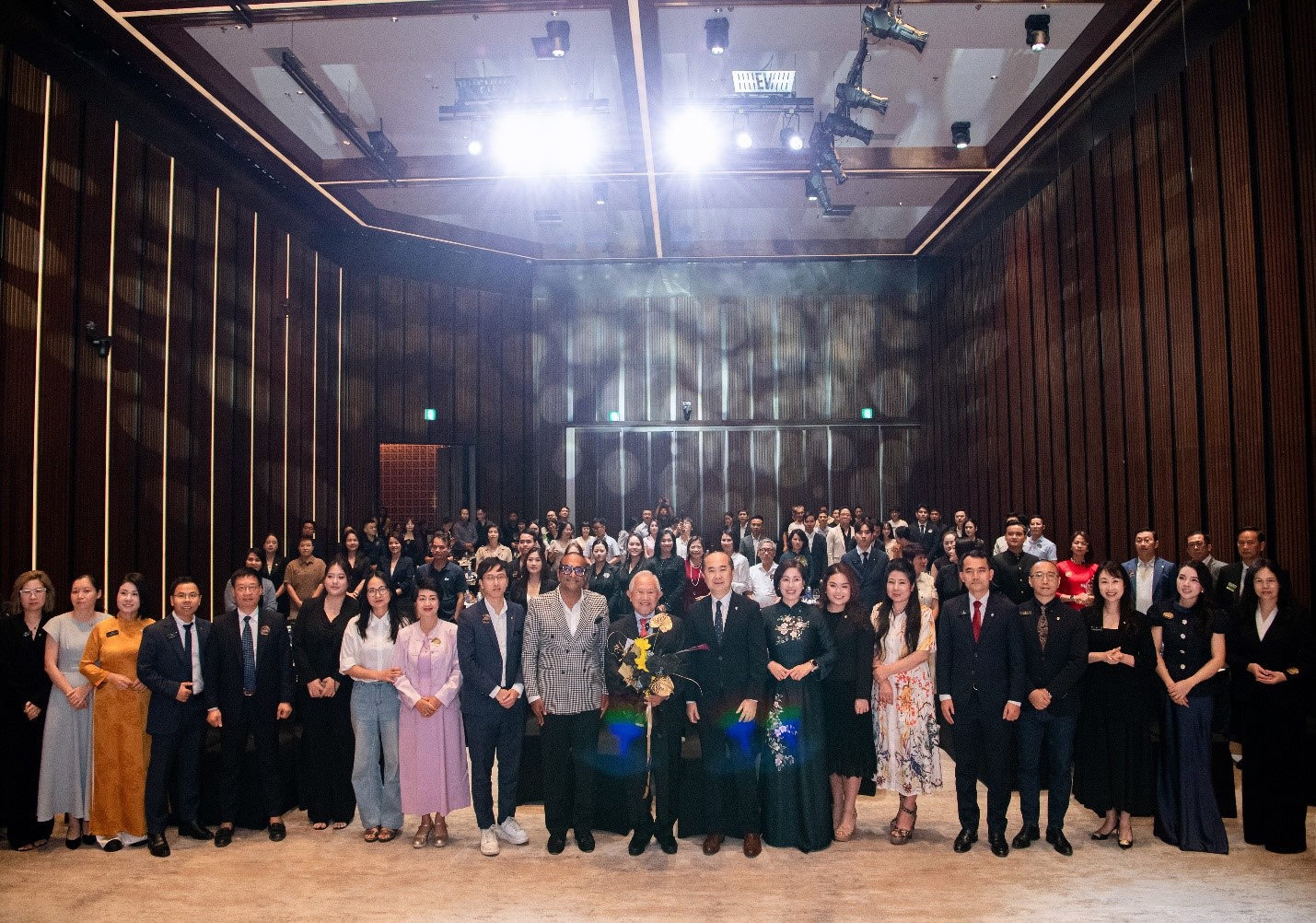
The summit’s shared message was that international growth is built in sequence. First comes the leadership mindset Professor Truong described: culturally literate, locally relevant and anchored in collective capability. Then comes the trusted network Mr Rathi advocated: selective, reciprocal and sustained by action. Get those foundations right, and global connectivity becomes more than an aspiration — it becomes an operating advantage.
Hung Dung reported and edited
Related news
- Vietnam financial center eyes November 2026 launch
- Vietnam targets 20 internationally certified hospitals in medical tourism push
- Vietnam sets sights on double-digit growth as APEC 2027 preparations gather pace
- Vietnam businesses face global test: reform at home, earn trust abroad
- Vietnam firms warned: transform within, build trust abroad or fall behind
- VCBC Chairman Steve Bui: Incentives have run their course — Vietnam enters an institutional race to attract the next generation of FDI
- Vietnamese Journalism in the Age of AI: How can reporters survive in the profession?
- Dr. Samuel Feldberg warns of risks that could reshape the global economic order and shares strategic advice for Vietnamese businesses
- VINASME organizes training program on risk control for sustainable business development amid uncertainty
- Vietnam’s International Financial Center looks beyond tax incentives to compete
- Expert Lại Thiên Phong: Localizing digital transformation – a new growth driver for Vietnam
- Are Vietnamese firms overlooking their most valuable “gold mine”?
- Iran Conflict and the “Double Shock” to the Global and Vietnamese Economies
- After 8 years and trillions sent abroad, are uST investors caught in a risky no-exit situation?
- When Cryptocurrency leaves the "Grey Zone": How are Vietnamese investors seeking profits?
- When the tech unicorn dream is undermined by reckless fundraising structures
- From New Year messages of World Leaders to the “new rules” of the Global economy in 2026
- Connecting Leaders, Shaping the Future: Strategic Leadership Planning Meeting – CorporateConnections Hanoi A
- Sunlight - Unilever Vietnam Recognized for Outstanding Contributions to the National Initiative Supporting Women Entrepreneurs
- Deputy Prime Minister Nguyễn Chí Dũng: “The country’s major challenges weigh heavily on my mind — and we must resolve them together.
Đọc thêm Business

Vietnamese firms face Halal, logistics hurdles in UAE push
Vietnamese businesses seeking to enter the UAE and wider Middle East need stronger preparation in Halal compliance, market research and partner networks as logistics and information gaps weigh on exports, experts said.
Vietnam financial center eyes November 2026 launch
Vietnam is preparing to launch the first transactions at its International Financial Center in November 2026, with authorities reviewing eligible products and removing regulatory bottlenecks.

Vietnam targets 20 internationally certified hospitals in medical tourism push
A 2026-2030 plan would link healthcare and tourism services across eight destinations while safeguarding access for domestic patients.
Vietnam sets sights on double-digit growth as APEC 2027 preparations gather pace
Strong nine-month growth, rising investment and deeper financial integration are strengthening Vietnam’s outlook, while external risks and implementation challenges keep the policy focus firmly on resilience.

Vietnam businesses face global test: reform at home, earn trust abroad
Vietnamese companies must transform their leadership, teams and cultural outlook — then build trusted international networks — or risk losing ground to better-prepared global rivals.
Hi1 and the digital brand ambassador mission: bringing millions of Vietnamese products onto digital platforms with 10,000 Hue students
As millions of OCOP products, local specialty goods and Vietnamese heritage brands continue to struggle to establish a meaningful presence in the digital marketplace, a groundbreaking new cooperation model has just been launched in Hue.
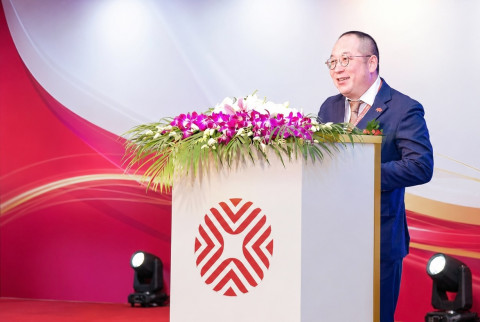
VCBC Chairman Steve Bui: Incentives have run their course — Vietnam enters an institutional race to attract the next generation of FDI
VCBC Chairman Steve Bui analyzes Vietnam's next-generation FDI strategy, stressing that the country must now compete on institutional quality, innovation, and stronger linkages between foreign and domestic enterprises.
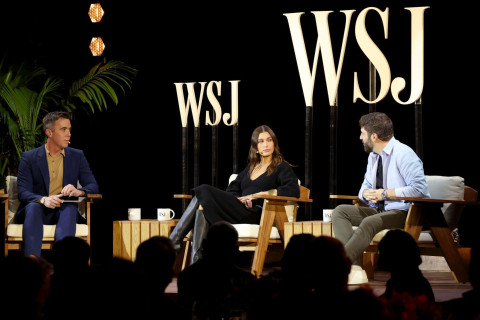
Vietnamese Journalism in the Age of AI: How can reporters survive in the profession?
Few professions have faced a transformation as profound as journalism is experiencing today.
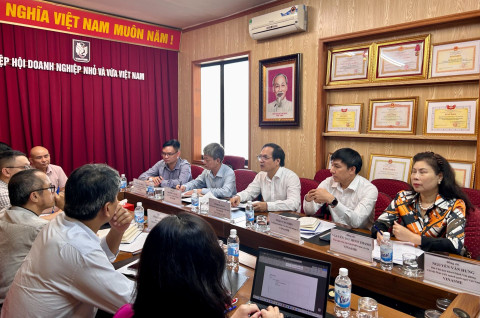
Businesses under pressure: Capital and talent shortages threaten competitiveness
The Vietnam Institute of Economics and World Affairs (VIEWA) recently held a working session with the Vietnam Association of Small and Medium Enterprises (VINASME) as part of a policy research and business support initiative.
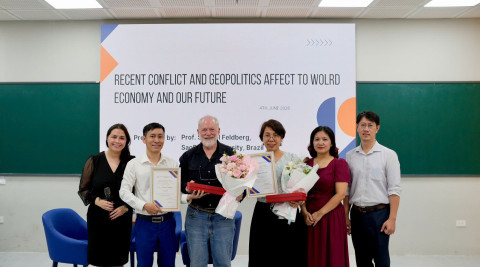
Dr. Samuel Feldberg warns of risks that could reshape the global economic order and shares strategic advice for Vietnamese businesses
Geopolitical tensions, technological transformation, trade fragmentation, and financial uncertainty are reshaping the global economy at an unprecedented pace.