

Lessons from weak projects and future directions
- Business
- 14:45 07/04/2022
DNHN - Under the Government's and Prime Minister's stern leadership, several weak and sluggish projects have seen significant improvements, with some becoming operational and profitable. However, numerous obstacles remain in dealing with underperforming projects as a result of market development conditions, giving legal counsel to firms dealing with EPC contract disputes, and addressing challenging financial concerns, among others.
To review the achieved results, thereby drawing lessons from experience and proposing new mechanisms for handling inefficient projects that still exist, on April 5, the Government Portal organized Organized the Seminar "Handling weak projects: Lessons learned and future directions".
Mr Ho Sy Hung, Vice Chairman of the Committee for the Management of State Capital at Enterprises said on the talk show that 5 projects have been removed from the list of 12 long-lasting, loss-making projects including the Dinh Vu polyester fibre production machine, 1-Hai Phong DAP fertilizer factory, Phu Tho biofuel factory (PVB) and Binh Phuoc biofuel factory (OBF); Dung Quat Biofuel Factory. Up to now, the projects have no longer had problems with mechanisms and policies.
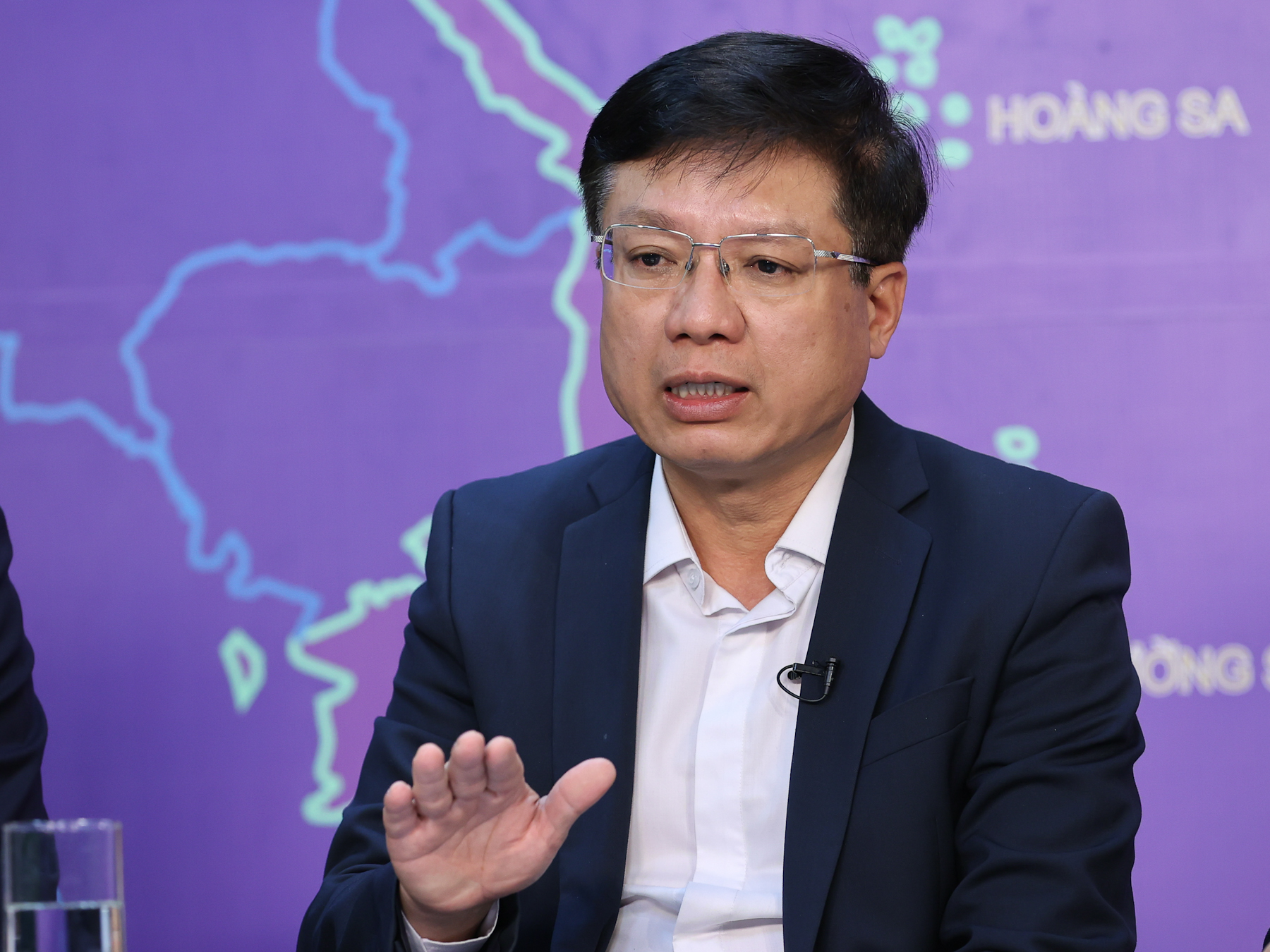
Mr Ho Sy Hung stated:”All 5 projects are proposed to handle problems for businesses in the direction of following the market, respecting the legal entity of the business, without rough intervention. Projects are considered above, below, forward and backwards according to the principle of efficiency, classifying each project or group of projects. Especially for projects with resilience, seeing effective and stable prospects, they will be focused on handling soon”.
Deputy Minister of Industry and Trade Dang Hoang An affirmed:”It is possible to assert that we have never witnessed projects receiving such close, consistent, and ongoing direction”.
Because the previous Government and this class were tasked with directing up to twenty meetings during completing these initiatives. Ministry and branch participation are also very close, including Industry and Trade, Finance, Planning and Investment, and Justice. Credit institutions, led by the government and project sponsors, also took an active role; participating agencies and units unanimously executed several linked solutions aimed at resolving project-related challenges.
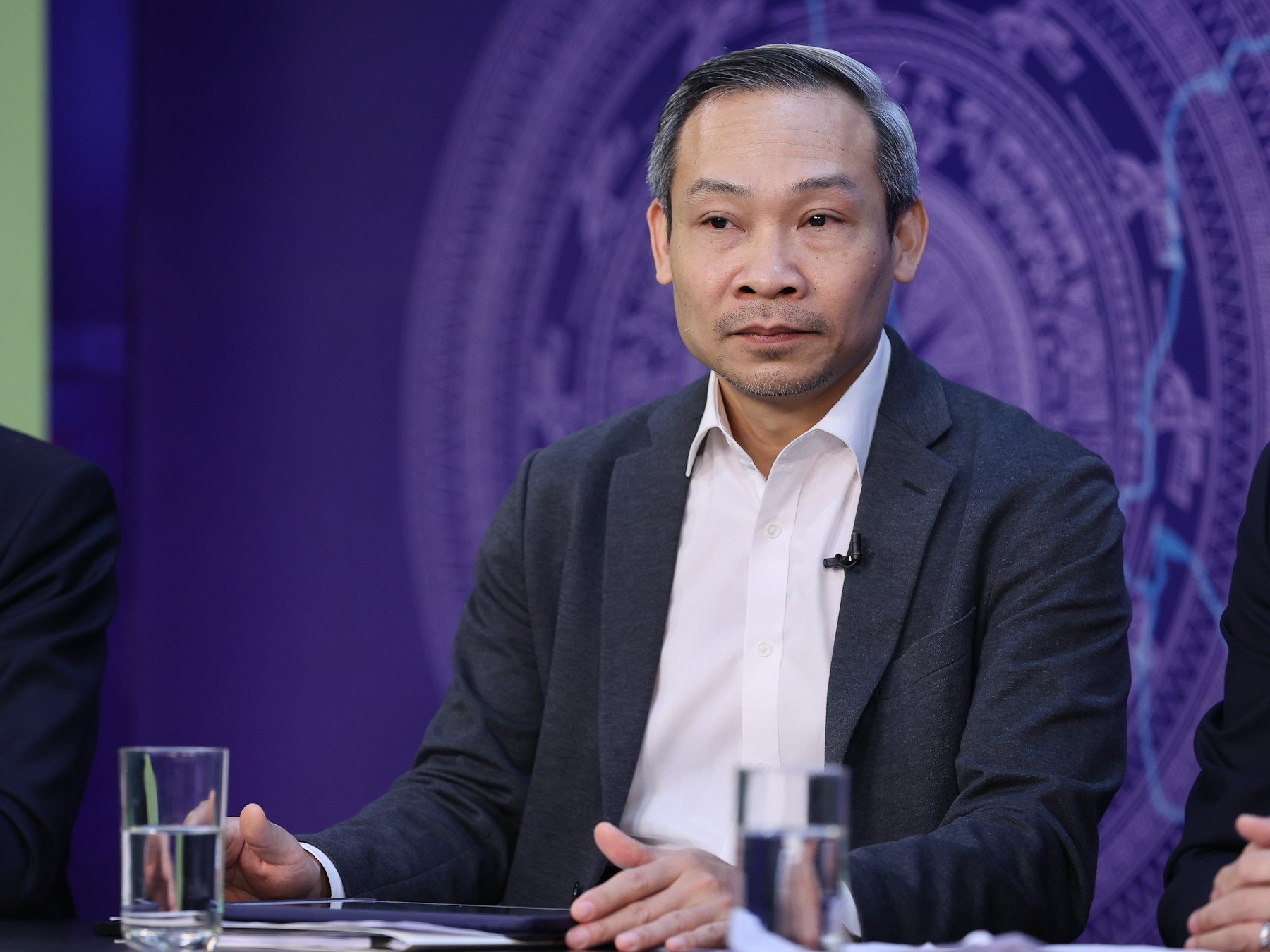
National Assembly delegate Phan Duc Hieu, Standing Member of the Economic Committee of the National Assembly acknowledged:”With considerable effort in the first year of the new term, the Government and its ministries and branches can be recognized to have made significant achievements. While the handling of weak projects continues to exist, I value two points: projects that have been actively managed and managed successfully”.
Particularly for the Thai Binh 2 Thermal Power Plant, although it is not on the list of 12 weak projects, it is also a project that has been "frozen" for 11 years. Recently, under the drastic direction of the Government, the Prime Minister, the synchronous participation of the ministries, branches and projects organized the first fire of unit 1 on March 23, to dissipate the power grid on April 30 and burn coal for the first time of unit 1 on June 16.
Deputy Minister of Industry and Trade Dang Hoang An said that, with the request of the Prime Minister "at all costs, by all means, this project must be put into operation", the project investor - Vietnam Oil and Gas Group and the investor of the project. Contractors on the construction site put a lot of effort.
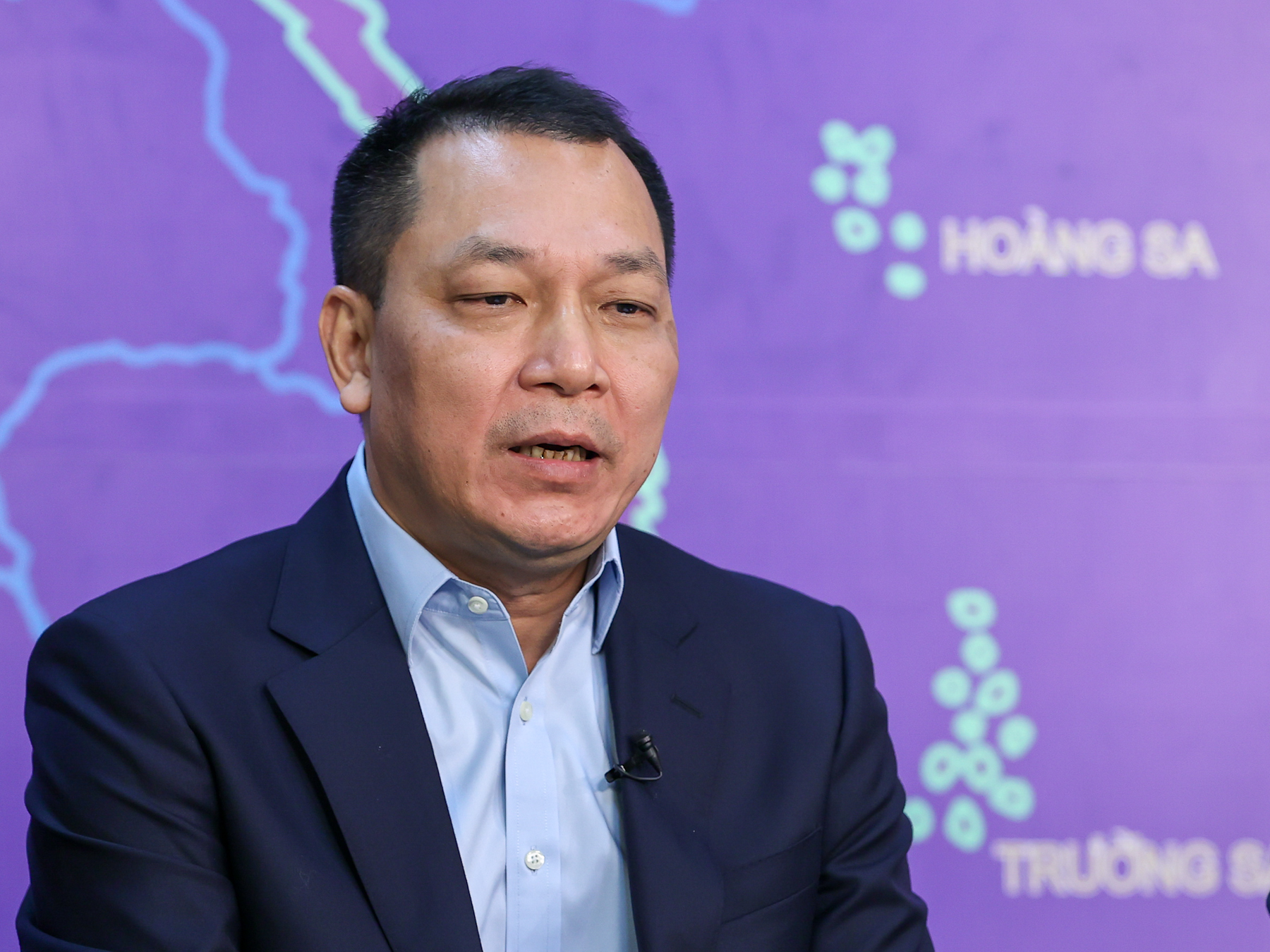
Deputy Minister said:”The Ministry of Industry and Trade maintains the Office of the National Steering Committee on Electricity Development at the Minister's request to keep abreast of weekly developments. The number of personnel working on the project site has climbed to 1,000 so far, significantly more than during the previous restart period. Additionally, I anticipate that between now and June 16, we will achieve two significant milestones. Connecting to the grid for the first time in late April and initiating coal combustion in unit 1 for the first time on June 16. 29 contractors, both domestic and international, are working concurrently on the construction site, completing a succession of critical tasks to support coal burning”.
Mr Dang Hoang An, Deputy Minister of Industry and Trade, underlined the idea of handling weak backlog projects is to maintain flexibility and adaptability for each project. Particular attention must be paid to Prime Minister Pham Minh Chinh's guidance; every project that can be completed must be completed while adhering to reality and the legal framework; anything entangled, or going beyond the framework, should be submitted to the National Assembly. This is a critical basis for the proper disassembly and subsequent management of projects.
Mr Ho Sy Hung stated that the Steering Committee will meet with businesses to re-evaluate the project's status, assess backlog issues and reasons, and determine what businesses require. Any assistance with processes and rules, including trust... to ensure the survival of businesses. Simultaneously, establish a path for empowering firms to be autonomous and self-reliant.
At this point, the solution for projects that require additional funding will be to assign firms to aggressively seek out financing sources to shape initiatives that continue to face numerous obstacles. Corporations and organizations must adhere to fundamental principles, and take the initiative in developing production and commercial plans, goods, and the ability to reorganize these initiatives. Throughout the process, contacts between state management agencies and businesses will occur.
With regards to the EPC contract issues, Mr Ho Si Hung stated that if there is no disagreement on the EPC contract, the message would be transmitted via the arbitration system. Simultaneously, allowing businesses to divest and reorganize their investments, etc.
Mr Phan Duc Hieu stated that it is critical to be decisive and aggressive with the remaining projects. Must agree on fundamental concepts, specify the rights and obligations of associated parties, and be enacted into law. Simultaneously, the following set of regulations must include a system that enables the individual executing the work to feel secure while performing it.
Dr Nguyen Si Dung concluded that the Prime Minister's methodology is critical in steering the process of dealing with weak projects. That is to say, it is to be done. Once a significant problem is detected, it must be addressed immediately. Thai Binh 2 Thermal Power Plant's rebirth is an example of when the Prime Minister appoints a Deputy Prime Minister to oversee the project.
Nguyen Duong
Related news
- Vietnam businesses face global test: reform at home, earn trust abroad
- Vietnam firms warned: transform within, build trust abroad or fall behind
- VCBC Chairman Steve Bui: Incentives have run their course — Vietnam enters an institutional race to attract the next generation of FDI
- Vietnamese Journalism in the Age of AI: How can reporters survive in the profession?
- Dr. Samuel Feldberg warns of risks that could reshape the global economic order and shares strategic advice for Vietnamese businesses
- VINASME organizes training program on risk control for sustainable business development amid uncertainty
- Vietnam’s International Financial Center looks beyond tax incentives to compete
- Expert Lại Thiên Phong: Localizing digital transformation – a new growth driver for Vietnam
- Are Vietnamese firms overlooking their most valuable “gold mine”?
- Iran Conflict and the “Double Shock” to the Global and Vietnamese Economies
- After 8 years and trillions sent abroad, are uST investors caught in a risky no-exit situation?
- When Cryptocurrency leaves the "Grey Zone": How are Vietnamese investors seeking profits?
- When the tech unicorn dream is undermined by reckless fundraising structures
- From New Year messages of World Leaders to the “new rules” of the Global economy in 2026
- Connecting Leaders, Shaping the Future: Strategic Leadership Planning Meeting – CorporateConnections Hanoi A
- Sunlight - Unilever Vietnam Recognized for Outstanding Contributions to the National Initiative Supporting Women Entrepreneurs
- Deputy Prime Minister Nguyễn Chí Dũng: “The country’s major challenges weigh heavily on my mind — and we must resolve them together.
- Unitsky String Technologies signs cooperation agreements with three Vietnamese partners, opening a new direction for smart mobility and sustainable development
- When artists do business – livelihood is no poetry!
- Before the D‑day to abolish flat‑rate tax: Fear of technology and costs leave small traders struggling to adapt
Đọc thêm Business
Vietnam businesses face global test: reform at home, earn trust abroad
Vietnamese companies must transform their leadership, teams and cultural outlook — then build trusted international networks — or risk losing ground to better-prepared global rivals.
Vietnam firms warned: transform within, build trust abroad or fall behind
Vietnamese companies must transform their leadership, teams and cultural outlook — then build trusted international networks — or risk losing ground to better-prepared global rivals.
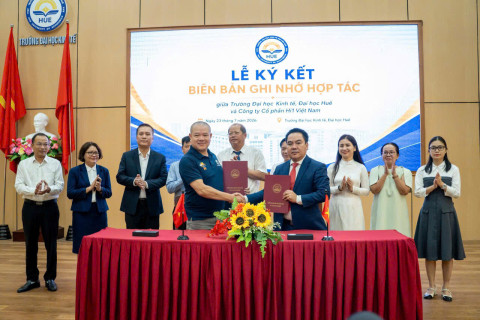
Hi1 and the digital brand ambassador mission: bringing millions of Vietnamese products onto digital platforms with 10,000 Hue students
As millions of OCOP products, local specialty goods and Vietnamese heritage brands continue to struggle to establish a meaningful presence in the digital marketplace, a groundbreaking new cooperation model has just been launched in Hue.
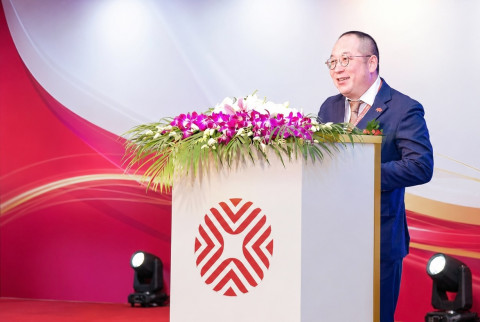
VCBC Chairman Steve Bui: Incentives have run their course — Vietnam enters an institutional race to attract the next generation of FDI
VCBC Chairman Steve Bui analyzes Vietnam's next-generation FDI strategy, stressing that the country must now compete on institutional quality, innovation, and stronger linkages between foreign and domestic enterprises.
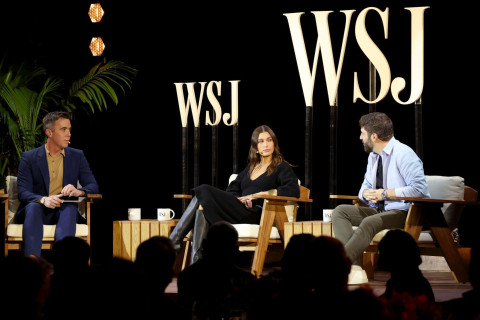
Vietnamese Journalism in the Age of AI: How can reporters survive in the profession?
Few professions have faced a transformation as profound as journalism is experiencing today.
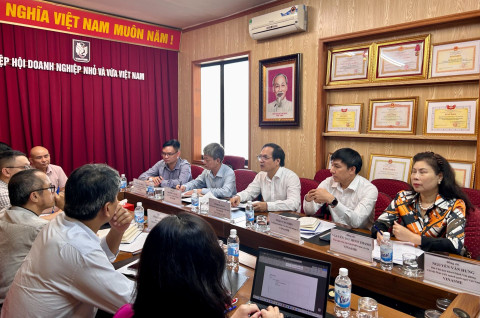
Businesses under pressure: Capital and talent shortages threaten competitiveness
The Vietnam Institute of Economics and World Affairs (VIEWA) recently held a working session with the Vietnam Association of Small and Medium Enterprises (VINASME) as part of a policy research and business support initiative.
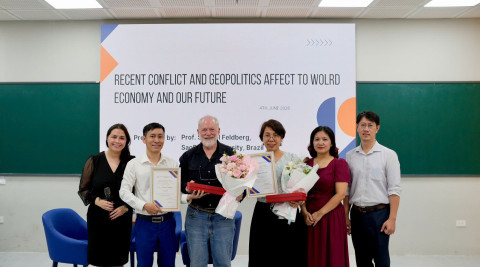
Dr. Samuel Feldberg warns of risks that could reshape the global economic order and shares strategic advice for Vietnamese businesses
Geopolitical tensions, technological transformation, trade fragmentation, and financial uncertainty are reshaping the global economy at an unprecedented pace.
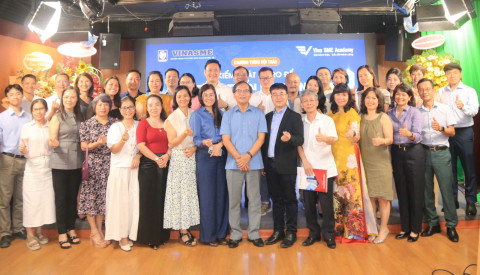
VINASME organizes training program on risk control for sustainable business development amid uncertainty
In the context of a rapidly changing economy, increasing competition, and accelerating digital transformation, risk management capability has become a critical factor determining the resilience and sustainable growth of businesses, particularly SMEs.
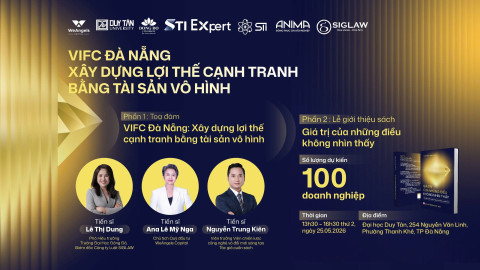
Vietnam’s International Financial Center looks beyond tax incentives to compete
What makes a city an international financial center? Is it skyscrapers, massive capital flows, or generous tax incentives?
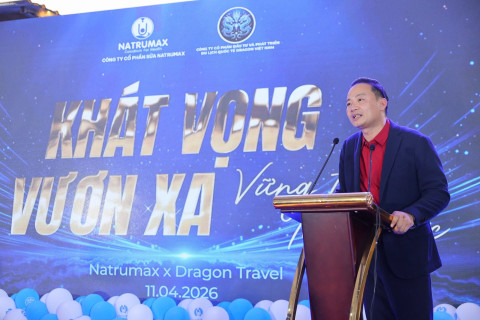
CEO Nguyễn Tất Tùng: only by anchoring in culture and preserving national identity can Vietnamese entrepreneurs reach the world
In a setting imbued with the rich cultural essence of Kinh Bắc, the 15th anniversary celebration of Dragon Travel was far more than a typical corporate event.