

Tan Son Nhat International Airport needs to be saved from the chaos
- Business
- 21:49 18/08/2022
DNHN - At Tan Son Nhat International Airport (HKQT TSN), there is a lot of traffic in the air, in the station, and on the road outside. This causes a lot of trouble for passengers and makes them angry. The TSN airport is in chaos from the inside out right now and needs to be fixed, but how?
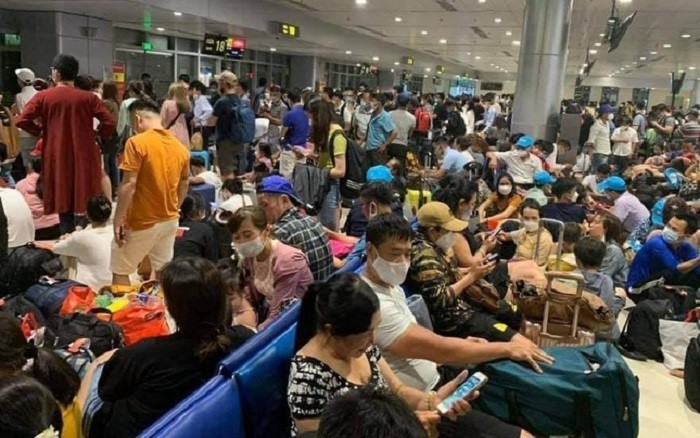
There are too many people at TSN airport because both domestic and international flights are coming in. This is especially true now that the Covid epidemic is under control and the airport is busier.
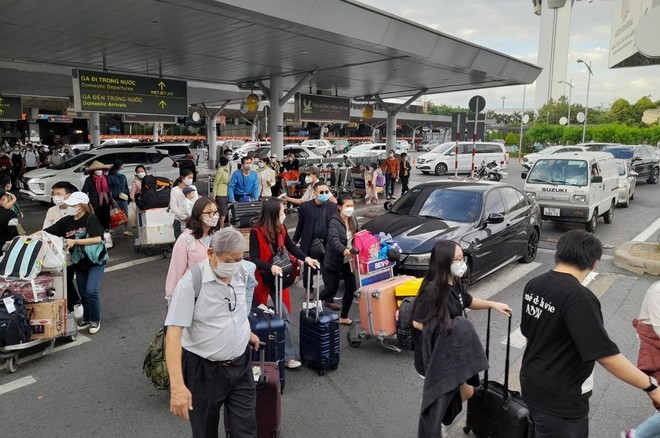
The Southern Airport Authority says that around 733 flights go through TSN International Airport every day, with 365 flights leaving and 368 flights coming in. More than 59,900 people turn around on their way out, and about 55,000 people visit Ho Chi Minh City and the southern provinces. Even though the number of international visitors hasn't improved much and the number of flights to and from the country isn't as high as expected, the number of domestic trips has risen sharply. A very good sign that the airlift in Vietnam will do well.
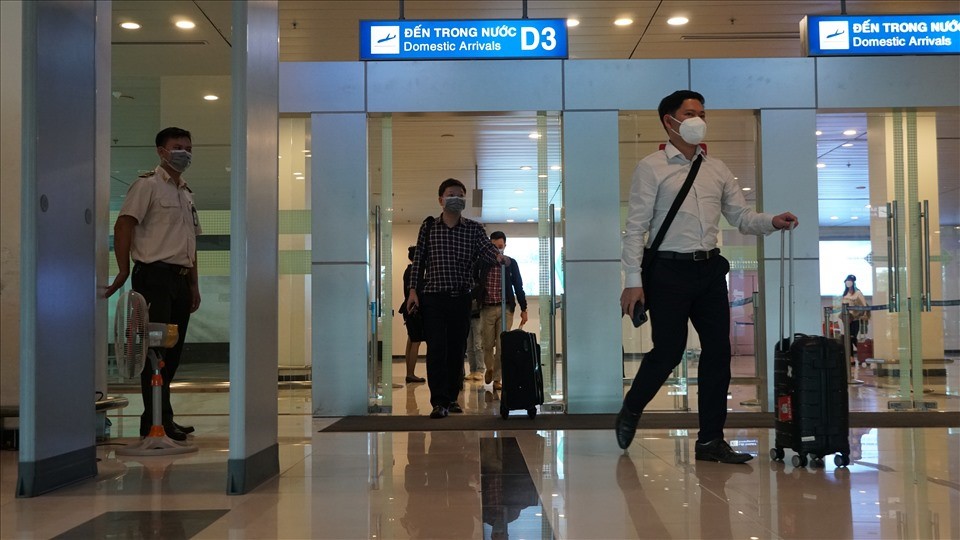
TSN International Airport is busy and full, but Can Tho International Airport is as empty as it has always been.
Part of this place is still bad in terms of domestic routes and services, and international routes are still a mystery. On the other hand, there are also a lot of reasons that can't be named that only insiders know about!
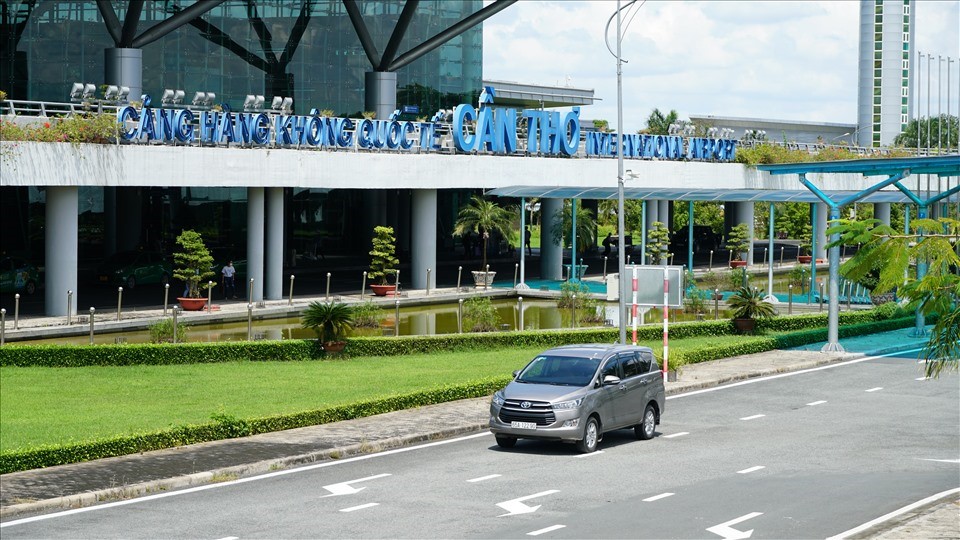
When strong is the underdog.
The Mekong Delta is an important economic area. About 90% of the country's rice, 65% of its seafood, and 70% of its fruit exports come from this area. Export goods from the Mekong Delta need to be moved between 17 and 18 million tons per year. It is home to 17,367,169 people, making it the third most populous and third most economically stable region in the country (updated in September 2021).
But that strength is still smouldering because of problems that slow down development. For example, there isn't enough infrastructure for waterways and land transport, medical education isn't very good, and training for human resources isn't very good either. Also, there aren't many formal connections between countries. People haven't paid much attention to investments, and the level of education in low-lying areas is lower than in the rest of the country. This means that the goals for social and economic growth are always behind schedule. It can't fly high because it has to hold on to the "dragon" wings, which are heavy.
In the land of nine dragons, this is a very clear situation. Maybe this is why Can Tho International Airport hasn't done well, since it's still being tested. Is there any other reason?
Back to the economic story of the Mekong Delta, even though it isn't fully developed yet, 17 million people, including thousands of business leaders, are very eager to travel, work, study, or visit family abroad.
Many years ago, people thought that if Tay Do had an international airport, it would satisfy the "convenient, fast, and affordable" needs of people in the West and make them hold their heads as high as you. But the truth is quite different!
Even though nearly one-third of the country's people live in Real EstateCL, they all have to go to Ho Chi Minh City to fly. Endless nonsense! Maybe people in the transportation business don't see it. This is why there are more people and more chaos at TSN International Airport, which makes sense.
Waiting for Long Thanh International Airport is a waste of time and money. The best thing to do now is for Can Tho International Airport to start more routes. Now is the time for ministries and sectors to move quickly to get rid of these problems. Don't let being slow become a bad habit in the 4.0 technology era.
Van Khanh
Related news
- Vietnam businesses face global test: reform at home, earn trust abroad
- Vietnam firms warned: transform within, build trust abroad or fall behind
- VCBC Chairman Steve Bui: Incentives have run their course — Vietnam enters an institutional race to attract the next generation of FDI
- Vietnamese Journalism in the Age of AI: How can reporters survive in the profession?
- Dr. Samuel Feldberg warns of risks that could reshape the global economic order and shares strategic advice for Vietnamese businesses
- VINASME organizes training program on risk control for sustainable business development amid uncertainty
- Vietnam’s International Financial Center looks beyond tax incentives to compete
- Expert Lại Thiên Phong: Localizing digital transformation – a new growth driver for Vietnam
- Are Vietnamese firms overlooking their most valuable “gold mine”?
- Iran Conflict and the “Double Shock” to the Global and Vietnamese Economies
- After 8 years and trillions sent abroad, are uST investors caught in a risky no-exit situation?
- When Cryptocurrency leaves the "Grey Zone": How are Vietnamese investors seeking profits?
- When the tech unicorn dream is undermined by reckless fundraising structures
- From New Year messages of World Leaders to the “new rules” of the Global economy in 2026
- Connecting Leaders, Shaping the Future: Strategic Leadership Planning Meeting – CorporateConnections Hanoi A
- Sunlight - Unilever Vietnam Recognized for Outstanding Contributions to the National Initiative Supporting Women Entrepreneurs
- Deputy Prime Minister Nguyễn Chí Dũng: “The country’s major challenges weigh heavily on my mind — and we must resolve them together.
- Unitsky String Technologies signs cooperation agreements with three Vietnamese partners, opening a new direction for smart mobility and sustainable development
- When artists do business – livelihood is no poetry!
- Before the D‑day to abolish flat‑rate tax: Fear of technology and costs leave small traders struggling to adapt
Đọc thêm Business
Vietnam businesses face global test: reform at home, earn trust abroad
Vietnamese companies must transform their leadership, teams and cultural outlook — then build trusted international networks — or risk losing ground to better-prepared global rivals.
Vietnam firms warned: transform within, build trust abroad or fall behind
Vietnamese companies must transform their leadership, teams and cultural outlook — then build trusted international networks — or risk losing ground to better-prepared global rivals.
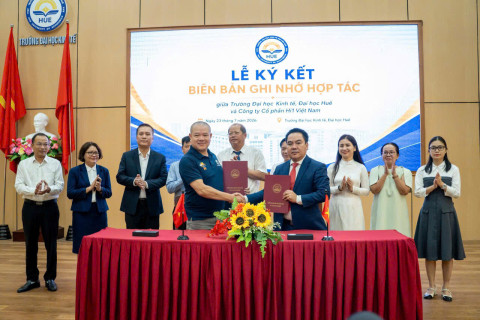
Hi1 and the digital brand ambassador mission: bringing millions of Vietnamese products onto digital platforms with 10,000 Hue students
As millions of OCOP products, local specialty goods and Vietnamese heritage brands continue to struggle to establish a meaningful presence in the digital marketplace, a groundbreaking new cooperation model has just been launched in Hue.
VCBC Chairman Steve Bui: Incentives have run their course — Vietnam enters an institutional race to attract the next generation of FDI
VCBC Chairman Steve Bui analyzes Vietnam's next-generation FDI strategy, stressing that the country must now compete on institutional quality, innovation, and stronger linkages between foreign and domestic enterprises.
Vietnamese Journalism in the Age of AI: How can reporters survive in the profession?
Few professions have faced a transformation as profound as journalism is experiencing today.
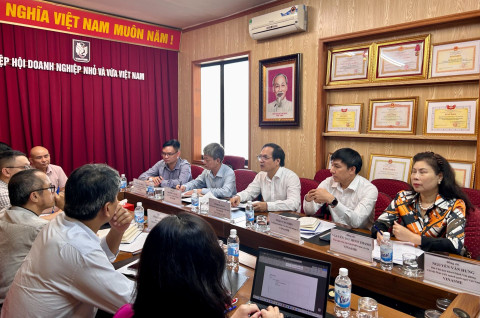
Businesses under pressure: Capital and talent shortages threaten competitiveness
The Vietnam Institute of Economics and World Affairs (VIEWA) recently held a working session with the Vietnam Association of Small and Medium Enterprises (VINASME) as part of a policy research and business support initiative.
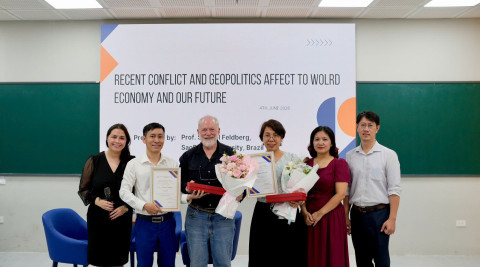
Dr. Samuel Feldberg warns of risks that could reshape the global economic order and shares strategic advice for Vietnamese businesses
Geopolitical tensions, technological transformation, trade fragmentation, and financial uncertainty are reshaping the global economy at an unprecedented pace.
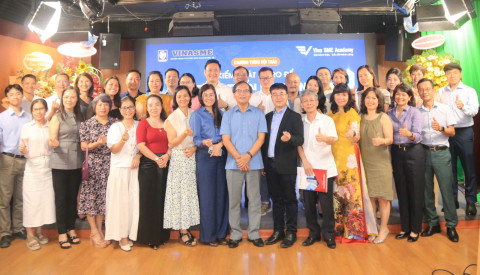
VINASME organizes training program on risk control for sustainable business development amid uncertainty
In the context of a rapidly changing economy, increasing competition, and accelerating digital transformation, risk management capability has become a critical factor determining the resilience and sustainable growth of businesses, particularly SMEs.
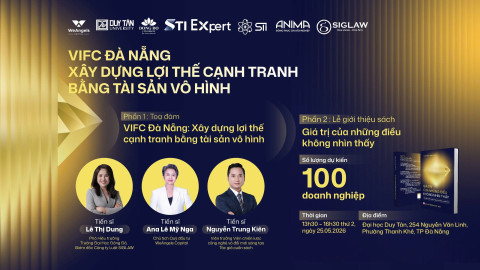
Vietnam’s International Financial Center looks beyond tax incentives to compete
What makes a city an international financial center? Is it skyscrapers, massive capital flows, or generous tax incentives?
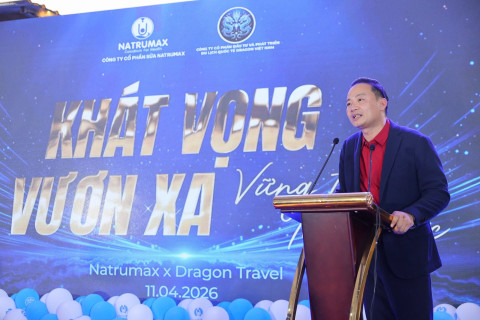
CEO Nguyễn Tất Tùng: only by anchoring in culture and preserving national identity can Vietnamese entrepreneurs reach the world
In a setting imbued with the rich cultural essence of Kinh Bắc, the 15th anniversary celebration of Dragon Travel was far more than a typical corporate event.