

Journalism plays a critical role in ensuring transparency in the real estate market
- Business
- 10:31 28/06/2024
DNHN - With transparency, honesty, and professionalism, journalism has significantly contributed to a more transparent and stable real estate market.

Journalism as a reliable and authoritative source
Currently, journalism serves as a reliable and authoritative source of information for consumers and investors. Newspapers, websites, and other media outlets provide information on prices, projects, policies, and legal issues related to the real estate market. They also analyze and evaluate this information to help readers better understand the market situation and make informed decisions.
In addition, journalism plays a crucial role in uncovering and exposing violations and corruption in the real estate sector. Through investigative reporting, the media can access information about legal violations, fraud, and corruption in real estate transactions. This shines a public light on these issues, creating pressure for authorities to take action and improve market transparency.
Therefore, journalism can act as a "gatekeeper" in promoting policies and reforms related to the real estate market. By publishing articles, analyses, and commentary on relevant issues, journalism can highlight important concerns, raise questions, and demand transparency and accountability from regulatory agencies and businesses. This can create pressure to drive change and improve processes and regulations in the real estate industry.
Furthermore, journalism can play a role in educating and raising public awareness about their rights and obligations when participating in the real estate market. By providing information and guidance to consumers and investors on processes, regulations, and other important aspects of the market, journalism helps people understand their rights and how to protect themselves during real estate transactions and investments.
Journalism enriches real estate market information and data
In recent times, journalism has consistently accompanied the process of contributing to the draft Land Law, Real Estate Business Law, and Housing Law. Through online platforms, as well as seminars and discussions, numerous opinions from organizations, experts, scientists, managers, the business community, and the Vietnamese population both domestically and abroad have been directly or indirectly contributed to the government.
When these important laws come into effect in the near future, journalism will continue to collaborate closely with functional agencies and experts, providing timely information on the new legal frameworks, helping the public and investors stay informed.
Moreover, journalism strongly influences investor psychology and behavior, potentially creating or promoting trends.

Dr. Nguyen Van Dinh, Vice President of the Vietnam Real Estate Association and President of the Real Estate Brokerage Association, emphasized that to maximize journalism's role in positively contributing to the market's healthy development, media agencies need to "respect the truth" and reflect market issues honestly. They should avoid sensationalism or "clickbait" that causes public panic. Information must be updated regularly, ensuring timeliness and covering multiple perspectives to provide readers with a well-rounded understanding of issues.
"Additionally, there should be a strong push to promote and encourage market participants to positively engage in activities aligned with government direction and legal compliance," Dr. Dinh shared.
He also noted that media agencies should actively explore and reflect information from various quality and authoritative sources (state management agencies, experts in various fields, businesses, customers, investors) to enrich information and data related to the real estate market.
Nhan Ha Phan
Related news
#Real estate
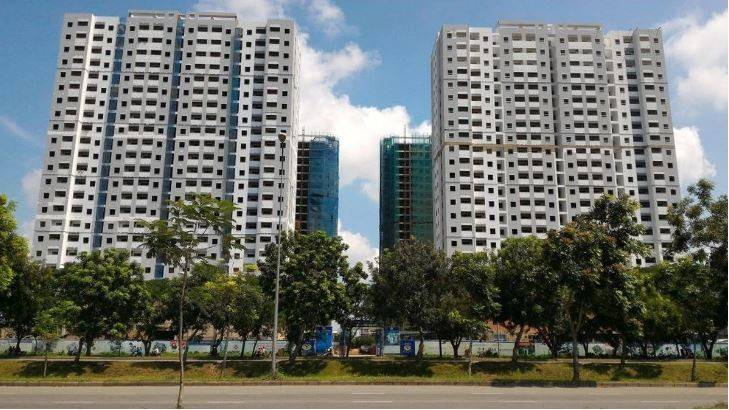
Who are the two mysterious female tycoons holding 52 million HQC shares?
Two female tycoons have emerged as major shareholders of Hoang Quan Consulting-Trading-Service Real Estate Corporation (HQC), holding a combined 52 million shares, with investments totaling hundreds of billions of VND.
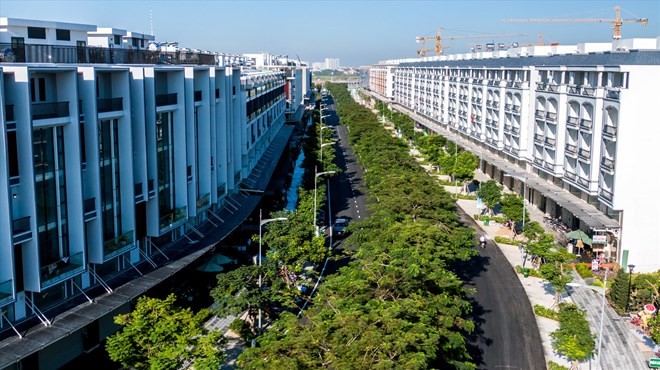
More than 1,000 new real estate businesses established in Ho Chi Minh City, transactions grow
In the first nine months of 2024, Ho Chi Minh City's real estate market witnessed the establishment of over 1,000 new businesses and recorded 1,600 property transactions, signaling a positive recovery trend.
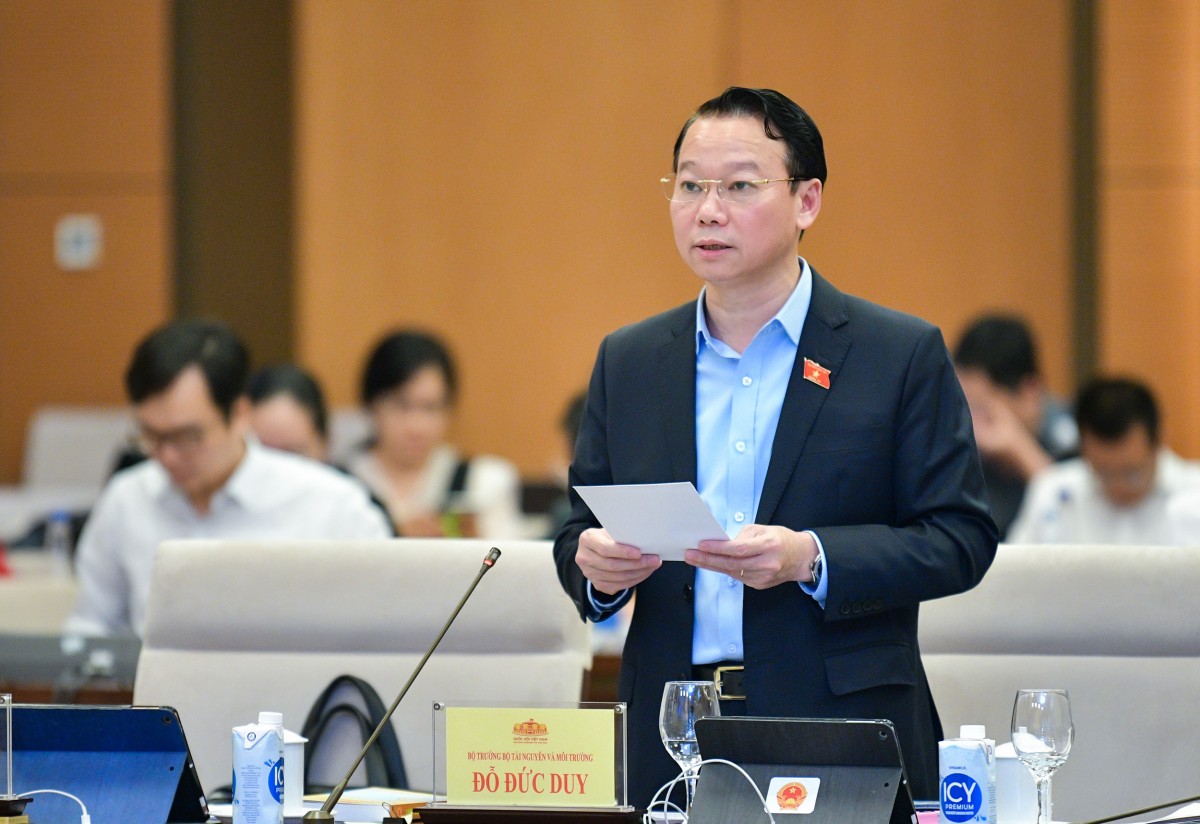
Pilot project for commercial housing to expand land use rights
The National Assembly Standing Committee has submitted a pilot project on commercial housing through land use rights agreements for National Assembly consideration, aiming to unlock resources.

Assoc. Prof. Dr. Tran Kim Chung: The 1987 Land Law laid the foundation for the real estate market
Assoc. Prof. Dr. Tran Kim Chung, former Deputy Director of the Central Institute for Economic Management, states that the 1987 Land Law laid the groundwork for the development of the real estate market.
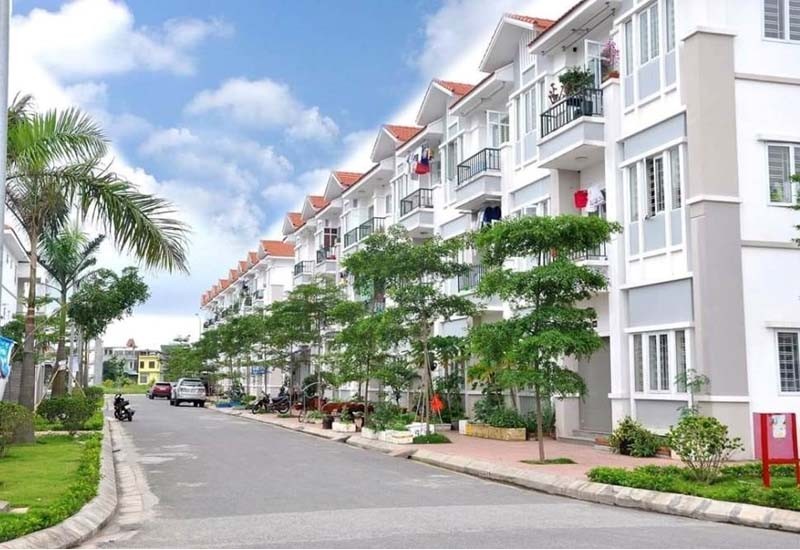
Draft resolution on commercial housing: A new opportunity for the real estate market
Amid the challenges facing Vietnam’s real estate market, the addition of a Draft Resolution piloting commercial housing projects brings renewed hope to citizens and promises to boost economic development.
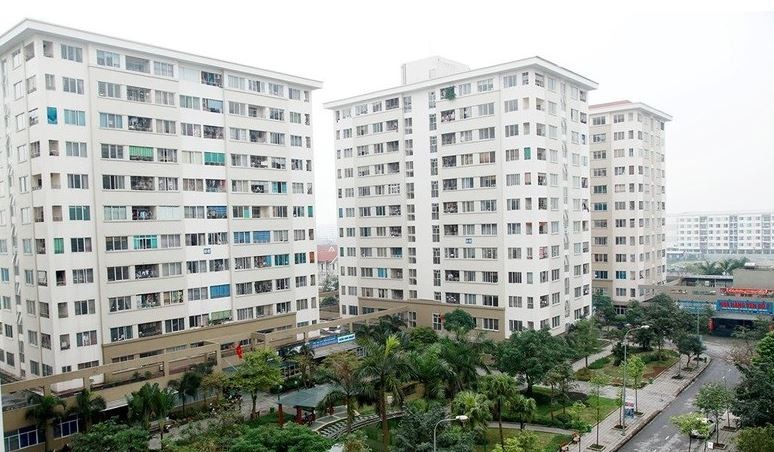
Social housing loan package increased to VND 145 trillion
The social housing loan package, originally valued at VND 120 trillion, has been raised to VND 145 trillion with the participation of nine banks, drawing attention from businesses and consumers.
Đọc thêm Business
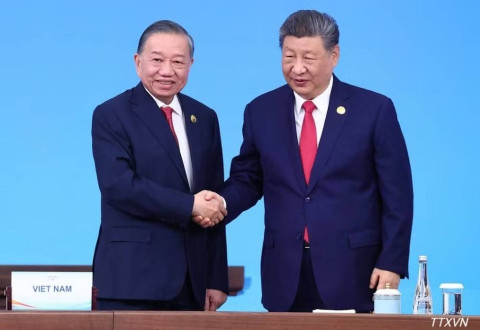
Vietnam takes APEC baton from China, eyes ‘new era of self-reliance’ for 2027
Hanoi unveils theme and three priorities as it prepares to host the forum for the third time, with leaders’ week set for Phu Quoc

VIFC-HCMC courts international capital at Singapore FinTech Festival
At a Singapore workshop, the city’s new financial center outlined four priority product groups and signed a letter of intent with SLEI to broaden Vietnamese businesses’ access to long-term capital.

Vietnam tops ASEAN consumer sentiment despite rising cost concerns
Vietnamese consumers remain the most optimistic in ASEAN with an ACSI score of 63, but rising living costs and gaps in long-term financial security are making them more cautious, savings-minded and investment-oriented

Vietnam–UAE CEPA: Tariff Gains Yet to Translate into Market Share
Nine months into the CEPA, Vietnamese goods enjoy major tariff advantages in the UAE yet hold under 1% of its import market. The greatest potential lies in using the incentives, meeting rules of origin and building distribution networks.

Vietnam urges Trump to speed up reciprocal trade deal
Both sides have held seven formal negotiation rounds and agreed on most of the core content, but no signing date has been set.

Vietnam’s spice exports on track to hit $2.4 billion in 2026
Exports of black pepper, cinnamon and star anise are all posting solid growth, putting Vietnam’s spice industry on course for a turnover of $2.4 billion in 2026.

Vietnam exports $120,000 worth of specialty coffee to US
A company in Vietnam's Central Highlands province of Dak Lak has exported more than 3.4 tons of specialty coffee to the U.S., marking a step toward higher-value exports as the country seeks to move beyond its traditional reliance on raw coffee beans.

Over $480 million pledged at COP31 to accelerate methane emissions reductions
More than $480 million in new climate financing has been announced at COP31 to accelerate efforts to reduce methane emissions and other powerful climate pollutants.
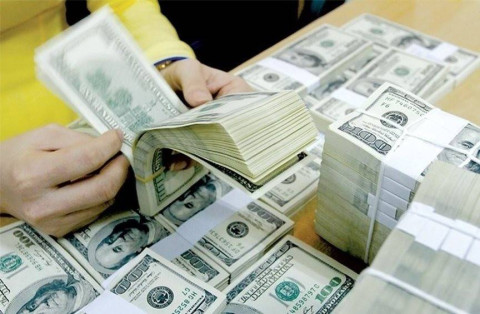
Vietnam raises foreign commercial borrowing ceiling to 10 billion USD for 2026
The Vietnamese Government has raised the ceiling for medium- and long-term foreign commercial borrowing by enterprises and credit institutions to 10 billion USD in 2026.
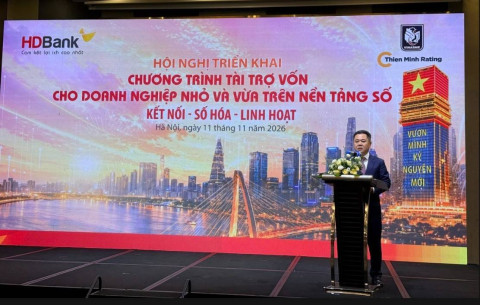
Better data key to unlocking SME credit
Transparent financial data and standardized credit profiles could help small and medium-sized enterprises access bank financing, while enabling lenders to assess repayment capacity without relaxing credit standards.